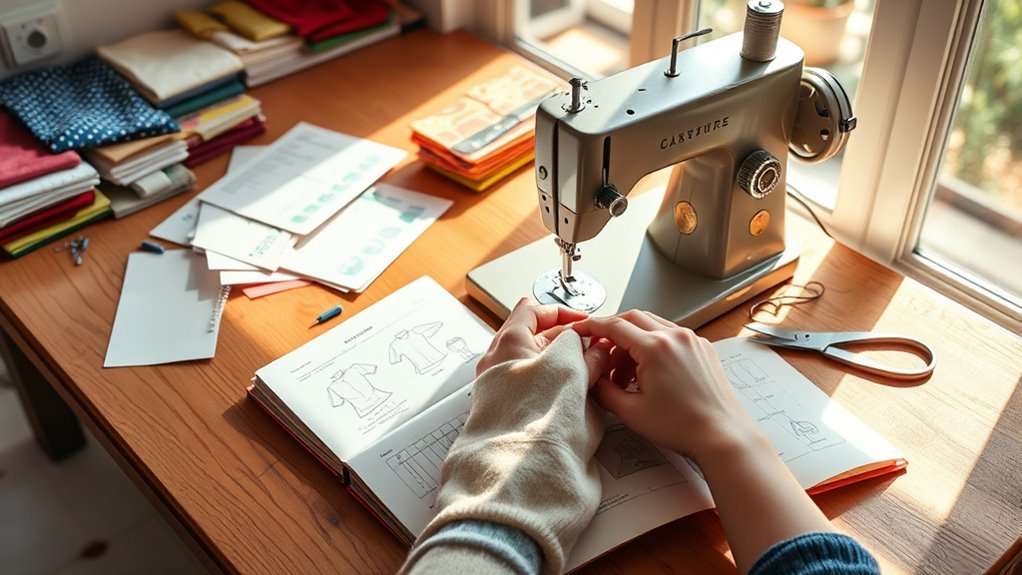
How Long Does It Take to Learn to Sew Step by Step?
You can learn to sew step by step in just a few months if you practice consistently and use quality tools. Sewing is a skill that anyone can pick up with patience and the right approach. Starting with simple projects helps build your skills quickly, and repeating patterns will improve your accuracy.
Expect steady progress as you master basics like straight stitching and seam finishing. It’s important to remember that patience is key since more advanced techniques take longer to develop. Keep going, and you’ll find useful tips ahead to speed up your sewing journey.
Before you know it, you’ll be creating beautiful handmade items with confidence.
Key Takeaways
- Basic sewing skills are typically learned within a few months of consistent practice. It’s all about getting comfortable with the basics and building that confidence.
- Simple projects like pillowcases or straight skirts usually take beginners about 1–3 weeks to complete. These are great starters that keep things manageable and fun.
- Skill proficiency really starts to improve after 6 months to 1 year of regular sewing practice. You’ll notice your projects getting better and your speed picking up.
- Advanced techniques, like fitting and pattern drafting, usually require several years to master. But don’t worry, with patience, you’ll get there step by step.
- Consistent practice, quality tools, and structured learning can really speed up the whole sewing journey. Stick with it, and you’ll be amazed at how much you can accomplish!
Factors Influencing Sewing Skill Development
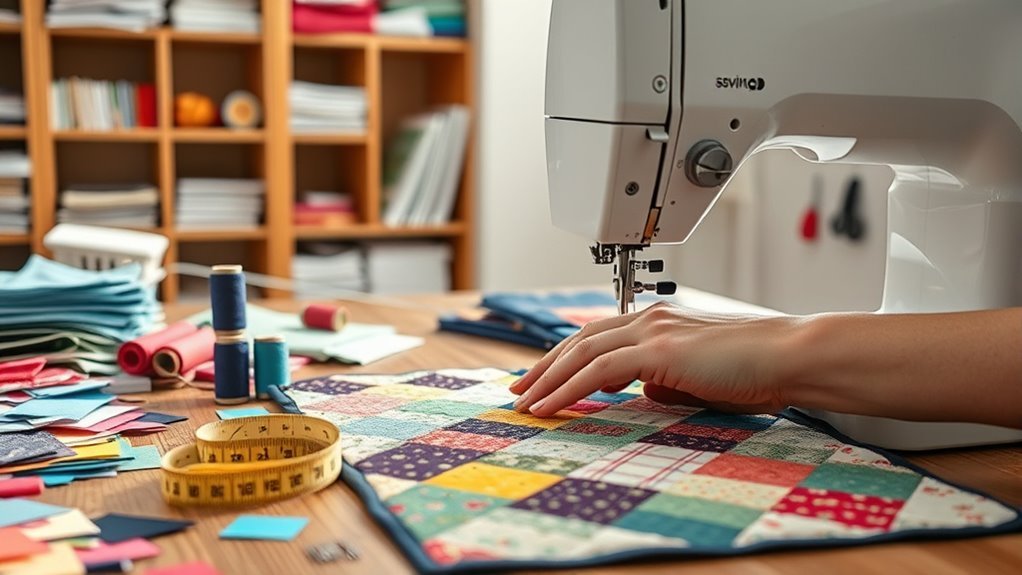
Although it takes consistent practice over several months to develop true sewing proficiency, you can speed up your progress by using quality tools like sharp scissors and good fabric. Your training should focus on repeating projects to reinforce key techniques, which helps build muscle memory and reduces your construction time.
Experimenting with different fabric types, such as woven or knit, challenges you to adjust your machine settings and master varied methods, even if it temporarily slows your pace. Additionally, dedicating time to fitting exercises with muslin prototypes improves your garment accuracy.
Typical Timeframes for Learning Sewing Techniques
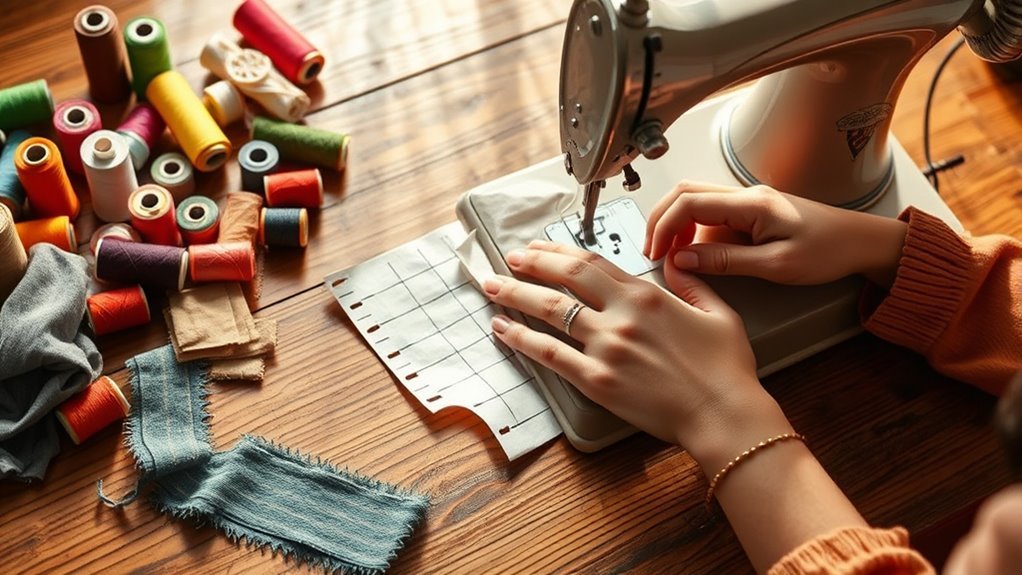
When you start sewing, you can develop basic skills like making simple garments within a few months of consistent practice. Your learning curve will vary depending on the complexity of techniques you tackle and the practice time you commit.
Typical timeframes to contemplate include:
- Simple projects like pillowcases or straight-seam skirts usually take 1 to 3 weeks for project completion.
- Repeated practice on the same pattern boosts speed and accuracy, enhancing technique mastery.
- Achieving proficiency in advanced skills such as fitting and pattern drafting can take several years.
- Most beginners reach comfortable competence in basic sewing skills within 6 months to a year.
Strategies to Accelerate Sewing Progress
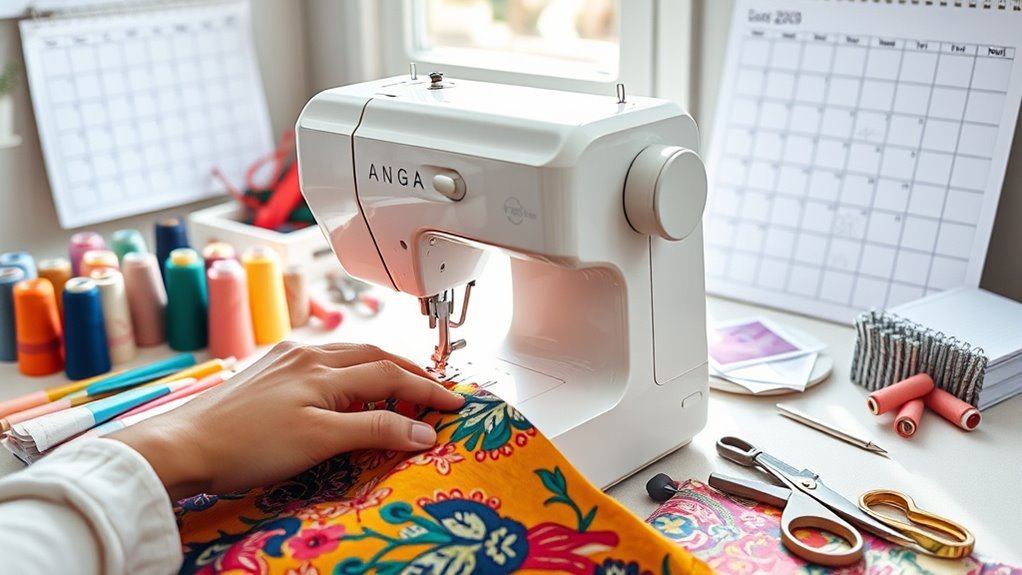
Even if sewing can seem challenging at times, you can accelerate your progress by adopting effective strategies. To start, practice sewing consistently several times a week; this steady effort beats sporadic attempts.
Enroll in structured classes or tutorials to get focused guidance and reduce trial-and-error learning. Complement this by learning by reading patterns and instructions to deepen your understanding.
Use quality tools and fabrics because they minimize mistakes and smooth your learning curve. When facing complex projects, break down projects into manageable steps, mastering each part before moving on.
Repeating the same patterns or projects multiple times reinforces skills and builds confidence. By combining consistent effort, structured learning, and practical techniques, you’ll speed up your sewing proficiency more effectively and enjoy the process along the way.
Common Challenges and How to Overcome Them
If you want to become proficient at sewing, you’ll face common challenges that test your patience and skills. Many beginners struggle with frustration when results don’t come quickly. But regular practice builds essential techniques and confidence.
Mistakes like uneven seams are normal, and learning to fix them shows perseverance. To overcome these challenges, focus on starting with simple projects to gradually build confidence.
Practice basic techniques like straight stitching and seam finishing. Also, accept mistakes as part of the learning process.
Most importantly, commit to consistent practice over months or even years. That’s how you’ll really improve and enjoy sewing!
Maintaining Motivation and Patience During Practice
You’ll make mistakes, but each one teaches you something valuable, so don’t get discouraged. Focus on steady progress, like mastering a seam or pattern, to keep your motivation alive.
Embrace Mistakes as Learning
Although sewing can be challenging at times, making mistakes plays a crucial role in your learning process. Embracing errors helps you develop patience and improve accuracy through focused practice.
Instead of feeling frustrated, view mistakes as valuable lessons that build your skills and confidence. Adopting a growth mindset lets you persevere and enjoy the journey.
Remember, mistakes help you:
- Identify areas needing improvement
- Practice ripping seams and redoing sections patiently
- Reinforce proper sewing techniques
- Build confidence through continuous learning
Enjoy Steady Progress
Since sewing skills develop gradually, maintaining steady progress requires both motivation and patience. You’ll find that consistent practice, spread over several months, is essential.
Setting small goals each week or month keeps you motivated and prevents overwhelm. For example, completing a simple skirt or top after a few weeks of steady effort builds confidence.
Remember, projects often take longer than expected—sometimes up to a week—so patience is key. Celebrate each finished piece, no matter how basic, to reinforce your progress.
Setting Realistic Goals for Sewing Mastery
You’ll want to set clear, achievable milestones to keep your progress steady and motivating. Balancing ambition with patience helps you avoid frustration as you build skills step by step.
Regularly tracking your progress lets you adjust goals and celebrate each small victory along the way. It’s all about keeping things realistic so you stay encouraged and keep moving forward.
Defining Achievable Milestones
How quickly can you expect to see progress when learning to sew? Defining achievable milestones is key to building your confidence and tracking steady progress.
Start by setting clear, realistic goals that break down the path to mastery into manageable steps. With consistent practice, you can:
- Sew a straight seam within the first few weeks
- Thread your machine and complete basic projects in 1–3 months
- Make intermediate garments like fitted skirts or shirts in 6–12 months
- Master advanced skills such as pattern drafting within 1–2 years
Balancing Ambition and Patience
Although ambition drives you to improve quickly, balancing it with patience is essential when learning to sew. Setting realistic goals, like mastering straight seams within a few months, helps keep your motivation steady and prevents frustration.
Remember, full mastery often takes years, so practicing consistently and celebrating small wins is key. Break your learning into achievable milestones—such as sewing on scrap fabric before tackling garments—to ensure steady progress.
While quality tools can speed up skill development, patience remains crucial for long-term success. Enjoying each step of the process supports your motivation and helps you stay committed.
Tracking Incremental Progress
When you track your incremental progress, you make steady improvements that keep your sewing skills growing. Setting realistic goals helps you measure your growth clearly and stay motivated.
Focus on achievable milestones like mastering straight seams or installing zippers to build confidence. Consistent practice over 10 to 20 projects usually leads to proficiency in basic techniques.
To effectively track your progress, consider these steps:
- Set small, specific goals for each project
- Record measurements and outcomes for comparison
- Repeat similar projects to reinforce skills
- Adjust goals as your abilities improve
Frequently Asked Questions
Is It Easy to Learn to Sew Clothes?
Yes, you’ll find sewing clothes easy once you practice regularly. Start with simple projects, follow clear instructions, and don’t rush.
You’ll build skills and confidence step by step, turning sewing into an enjoyable, rewarding hobby. It’s all about taking it one stitch at a time and having fun along the way!
Is It Actually Cheaper to Sew Your Own Clothes?
Think of sewing as planting seeds—yes, it can be cheaper if you pick budget-friendly fabrics and reuse materials.
You’ll save over time, but remember, your effort and time are the sunshine nurturing each garment’s growth.
When Can a Child Learn to Sew?
You can start teaching a child to sew as early as 7 to 10 years old with hand sewing and simple projects. It’s a great way to build their fine motor skills and creativity.
Is Sewing Harder Than Crocheting?
You might think sewing’s easier, but it’s actually trickier than crocheting. You’ll juggle machines, patterns, and precise stitches.
Crocheting’s simpler with fewer steps, so expect sewing to challenge your patience and skills more.
Conclusion
Learning to sew isn’t just about hours or days—it’s like revealing a secret superpower that transforms fabric into magic. While it might seem endless at times, every stitch you make brings you closer to mastery.
With patience and persistence, you’ll go from tangled threads to crafting masterpieces faster than you ever imagined. So don’t rush—embrace the journey, because sewing skill isn’t just learned, it’s conquered one stitch at a time.
When you wonder how long does it take to learn to sew step by step, remember it varies for everyone. The key is consistent practice and enjoying each moment with your sewing machine. Keep sewing regularly, and you’ll see your skills grow steadily, turning basic stitches into beautiful, confident creations.