How to Get Rid of Sewer Odor in Your House Step by Step
To get rid of sewer odor in your house, start by identifying the source near drains and plumbing fixtures. Sewer odor can be pretty stubborn, but once you know where it’s coming from, it’s easier to tackle.
Check for dry P-traps and refill them if needed to block the smell from escaping.
Next, clear any clogs using a plunger or a baking soda mixture. Clogs can trap sewer gases, so keeping your drains clear is key.
Also, inspect and clean vent pipes to guarantee proper airflow. This helps prevent odors from backing up into your home.
Don’t forget to examine your plumbing fixtures for leaks and check the sewer lines for any damage. Even small leaks can cause big odor problems.
Utilizing odor neutralizers can also help mask any lingering smells. Stick around, and you’ll discover more essential tips to keep odors at bay.
Key Takeaways
- Identify and inspect areas near drains, toilets, and plumbing fixtures for odor sources and signs of leaks or clogs. Take your time to really check these spots carefully.
- Check and refill dry P-traps in seldom-used sinks and drains by pouring water down them regularly. This simple step can often stop odors from coming up through the pipes.
- Use a plunger for stubborn clogs, and flush drains with hot water and baking soda to clear blockages. It’s a natural way to keep things flowing smoothly.
- Apply enzyme-based cleaners or activated charcoal in affected areas to neutralize odors and absorb unpleasant smells. These products work wonders without harsh chemicals.
- Seek professional assistance for persistent issues to ensure accurate diagnosis, safe repairs, and compliance with local codes. Sometimes, it’s best to let the experts handle tricky problems.
Step 1: Identify the Source of Sewer Odors
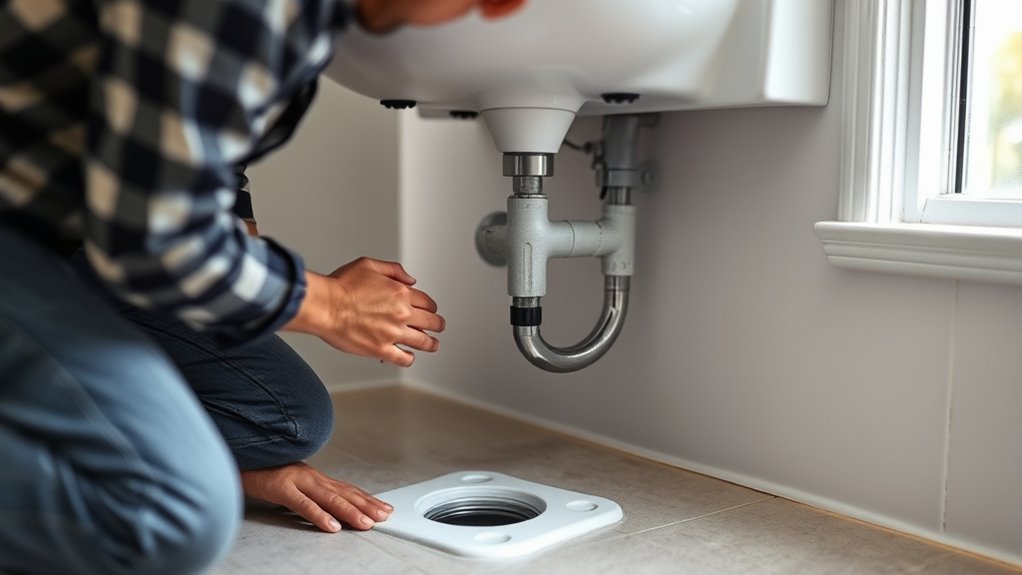
To effectively tackle sewer odors, you first need to pinpoint their source. Start by locating the area with the strongest sewer smells, usually near drains, pipes, or plumbing fixtures like sinks and toilets.
Check all bathrooms, kitchen sinks, and laundry room drains, as these are common culprits. Don’t forget to inspect basements and crawl spaces for potential leaks or trapped sewer gases.
Pay attention to any unusual gurgling sounds from drains or toilets, as these can indicate a sewer line issue. Also, look for signs of water pooling or dampness around drains, which could signal a clog or a more significant sewer line problem needing your attention.
Step 2: Check Dry P-Traps to Stop Sewer Odors
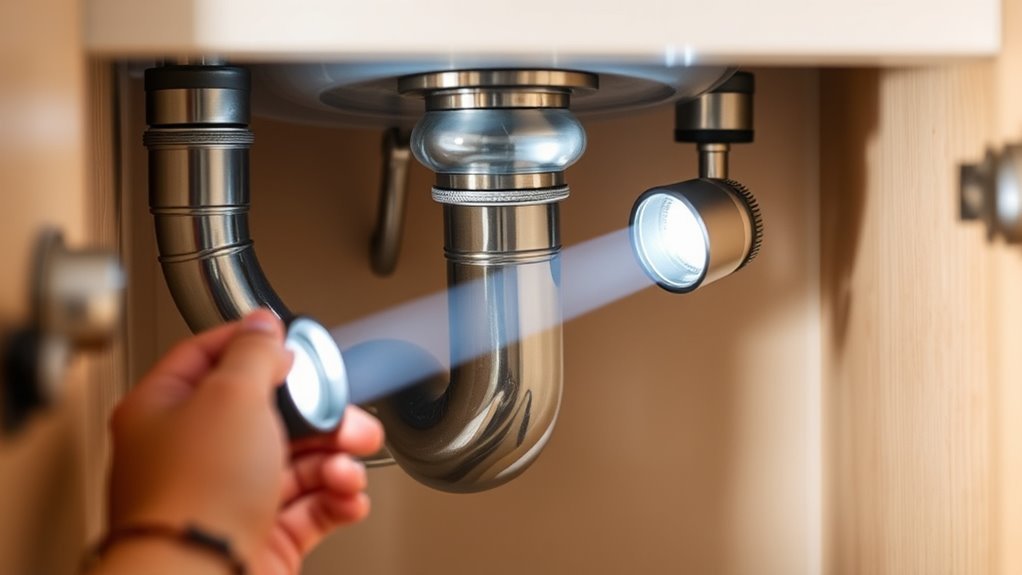
After identifying where the sewer odors are coming from, your next step is to check the P-traps in your home. Dry P-traps can allow sewer gases to seep into your living space, especially in rarely used sinks or floor drains.
To prevent this, make it a good habit to run water in all your sinks, tubs, and floor drains at least once a week. If you notice persistent odors, refill any dry P-traps by pouring water down the affected drains.
You can also install P-trap primers or just keep up with a regular water use schedule to help. Remember, a properly functioning P-trap should always contain water. If odors stick around after refilling, you might need to look into other plumbing issues.
Step 3: Clear Clogs and Blockages in Drains
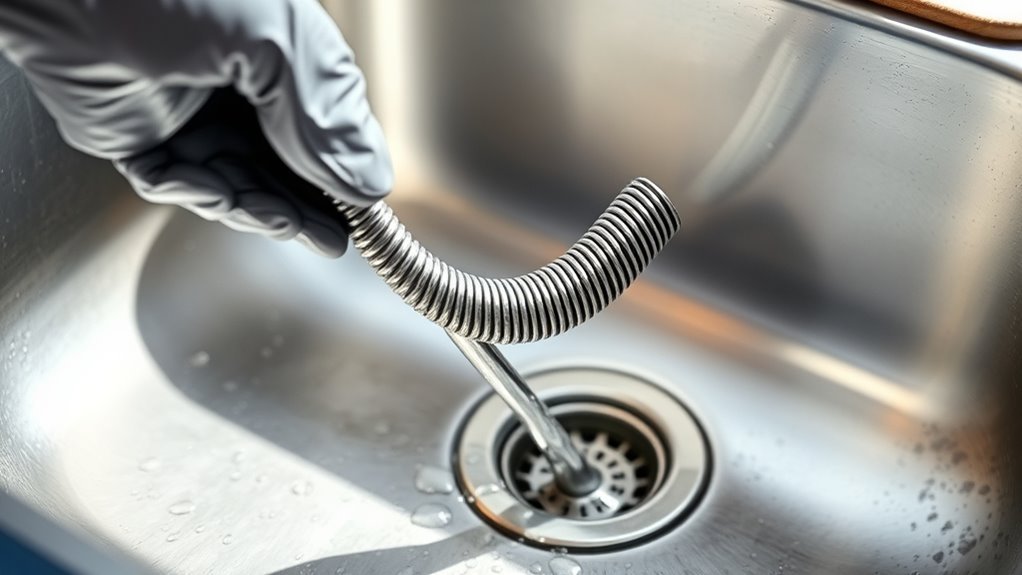
Clearing clogs and blockages in your drains can considerably reduce sewer odors in your home. Here are some effective methods to tackle those pesky issues:
- Use a Plunger: For stubborn clogs in sinks, tubs, or toilets, guarantee a tight seal around the drain to maximize suction.
- Flush with Baking Soda: Mix hot water with baking soda and pour it down the drains to break down grease and debris causing sewage smells.
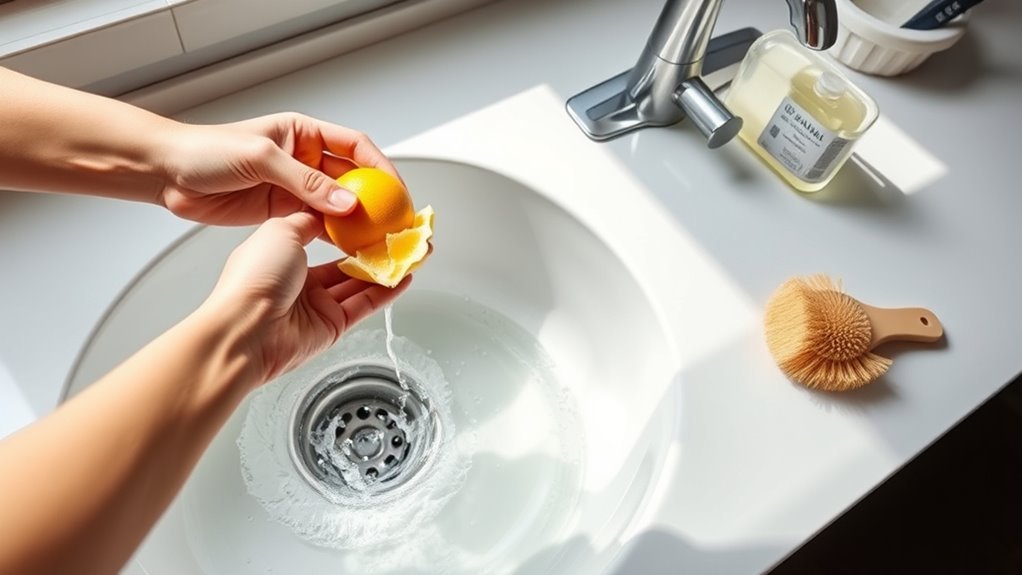
- Regular Maintenance: Clean garbage disposals using vinegar and baking soda or citrus peels to prevent odor-causing buildup.
If you still experience clogs after these steps, it might be time to call a professional plumber to address deeper blockages effectively. Keeping your drains clear is essential for a fresh-smelling home.
Step 4: Inspect and Clean Vent Pipes
While it might not be the first thing on your mind, inspecting and cleaning your vent pipes is essential for preventing sewer odors in your home. Blockages like leaves or nests can hinder airflow, allowing sewer gases to escape.
Grab a flashlight and check for any cracks or damages in the vent pipes that could contribute to odors. Regular cleaning of vent pipes can help keep these issues at bay, ideally every few years.
| Action | Purpose | Frequency |
|---|---|---|
| Inspect vent pipes | Identify blockages | Annually |
| Clear debris | Guarantee proper airflow | As needed |
| Clean vent pipes | Prevent odors | Every few years |
If odors persist, you might want to consider hiring a professional plumber.
Step 5: Examine Plumbing Fixtures for Faults
To effectively tackle sewer odors, you should examine plumbing fixtures for any faults that might be allowing unpleasant gases to escape. Check for issues like:
- Faulty Seals: Inspect the seals and gaskets around sinks and toilets. Any wear and tear can lead to leaks that allow sewer gases to permeate your home.
- Loose Fixtures: Confirm that all plumbing fixtures are properly installed. Loose fittings can create gaps, making it easy for odors to enter your living space.
- Visible Damage: Look for cracks or leaks in the fixtures themselves. These can greatly increase the chances of unpleasant smells escaping.
Regular maintenance and cleaning of these plumbing fixtures can help minimize odor issues and keep your home smelling fresh. It’s definitely worth staying on top of this to avoid any unwanted surprises!
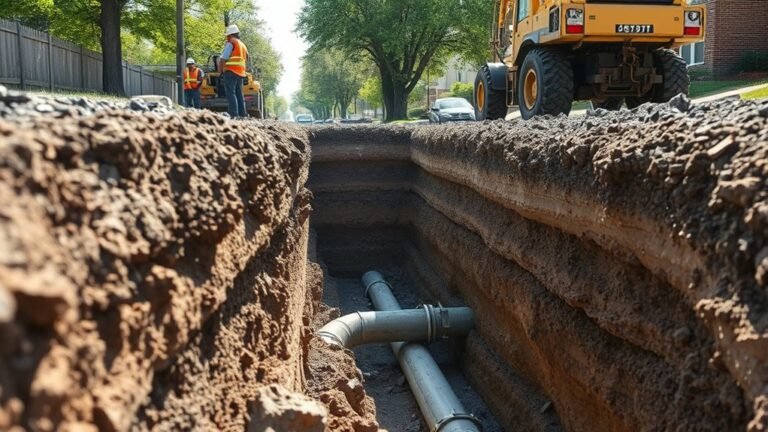
Step 6: Inspect Your Sewer Lines for Damage
As you tackle sewer odors, it’s essential to inspect your sewer lines for any damage that could be letting unpleasant gases escape into your home. Start by looking for visible cracks, leaks, or signs of wear in your sewer lines.
Pay attention to lush patches of grass or pooling water in your yard, as these may indicate a leak. Using a plumbing camera can give you a thorough inspection; it helps identify blockages or tree root intrusions in your lines.
Also, listen for gurgling sounds in your drains or toilets. These might signal air pressure issues from damaged lines.
If you suspect significant damage, don’t hesitate to contact a licensed plumber. They can assess the situation and recommend the necessary repairs.
Step 7: Utilize Odor Neutralizers Effectively
To tackle those stubborn sewer odors, you need to choose the right odor neutralizers. Different products work better for specific situations, so knowing how to apply them effectively is key.
Let’s explore the best types and application techniques to keep your space smelling fresh.
Types of Odor Neutralizers
When it comes to tackling sewer odors, choosing the right odor neutralizer can make all the difference. Here are three effective options:
- Enzyme-based cleaners: These products break down organic matter and effectively target sewage odors on contact. They provide a thorough clean that really helps.
- Activated charcoal: Known for its absorbing properties, activated charcoal traps unpleasant smells. It’s great for keeping your environment fresh.
- Baking soda: A natural and versatile option, baking soda neutralizes odors. You can sprinkle it in drains or on affected surfaces with ease.
Using these odor neutralizers regularly helps prevent the buildup of unpleasant smells. It also keeps your home feeling fresh. Don’t underestimate their power in your fight against sewage odors!
Application Techniques
Tackle sewer odors head-on by applying odor neutralizers effectively. Start by mixing 1/2 cup of Purodora Lab product with 1 gallon of warm water. This combination is potent for neutralizing sewer smells.
Pour the diluted solution directly into your basement floor drains, letting it sit without flushing for best results. For affected concrete floors, spray the mixture and allow it to air dry—no rinsing needed.
If smells in your home persist, just repeat this process until the odor is gone. Remember, it’s safe for humans, pets, and the environment.
Step 8: Implement Regular Maintenance Practices
Regular maintenance practices are essential for keeping sewer odors at bay. By implementing these strategies, you can effectively prevent sewer gases from infiltrating your home.
First, run water in all sinks, tubs, and floor drains weekly. This keeps P-traps filled and blocks odors from escaping.
Next, schedule regular drain cleaning using hot water and baking soda. It helps eliminate clogs and odors before they get worse.
Also, make sure to inspect plumbing fixtures regularly. Check seals around toilets and sinks to ensure they’re secure, which prevents leaks and gas escape.
Step 9: When to Call in the Pros
If you’ve tried various DIY solutions and the sewer odor still won’t go away, it’s definitely time to call in the pros. Persistent sewer gases usually mean there’s a bigger plumbing issue that needs a professional’s eye.
If major clogs are still hanging around after you’ve used tools like plungers or drain snakes, don’t hesitate to reach out to a licensed plumber. They’ve got the right gear and know-how to tackle the problem safely.
Don’t delay in calling a licensed plumber if stubborn clogs persist; they have the expertise and equipment to resolve the issue safely.
Keep an eye out for signs of sewage backup, like water pooling around drains or toilets. These issues need immediate attention to avoid making things worse.
Also, extensive water damage or mold growth can be a serious health hazard, so it’s important to act fast. If you’re not sure where the smell’s coming from or what repairs are needed, getting a professional involved ensures your home stays up to code and safe.
Frequently Asked Questions
Does Sewer Gas Smell?
Yes, sewer gas does smell, often resembling rotten eggs. If you notice that odor, it can indicate plumbing issues.
It’s crucial to address it quickly to avoid potential health risks and further complications. Don’t ignore it—getting it checked out can save you a lot of trouble down the line.
What Is the Hardest Smell to Get Rid Of?
The hardest smell to get rid of is often sewer gas. Its potent, rotten egg odor lingers due to complex compounds.
You’ll need specialized products or professional help to effectively neutralize it and guarantee a safe environment. It’s not something you can just mask or ignore.
Why Does My Outside Drain Smell Like Rotten Eggs?
Your outside drain smells like rotten eggs because of hydrogen sulfide gas. This gas comes from decomposing matter or dry P-traps.
Stagnant water and blocked vent pipes can also cause the smell. So, it’s really important to keep up with regular cleaning and maintenance.
Why Does My Shower Drain Smell Bad?
Your shower drain smells bad due to dry P-traps, trapped debris, or blockages.
Regular cleaning and water refills can help. But if the smell sticks around, it might be a sign of a bigger plumbing issue.
In that case, it’s best to call a professional to take a closer look.
Conclusion
By following these steps, you can chase away that stubborn sewer odor, letting fresh air fill your home once more. Picture the scent of clean, untainted air swirling through your rooms, replacing the musty reminders of plumbing woes.
With regular maintenance, you’ll keep those pesky odors at bay, ensuring your space feels welcoming and comfortable. If the smell lingers, don’t hesitate to call in the pros—sometimes, a little extra help can make all the difference.
Remember, getting rid of sewer odor in your house isn’t just about comfort; it’s about creating a healthy living environment. Keep drains clean, check traps regularly, and ventilate your home well. Taking these steps will help you maintain a fresh-smelling home and prevent future sewer odor problems. So, don’t ignore those smells—tackle them head-on and enjoy a home that truly feels fresh and inviting.