How Long Do Sewer Lines Last and How to Maintain Them
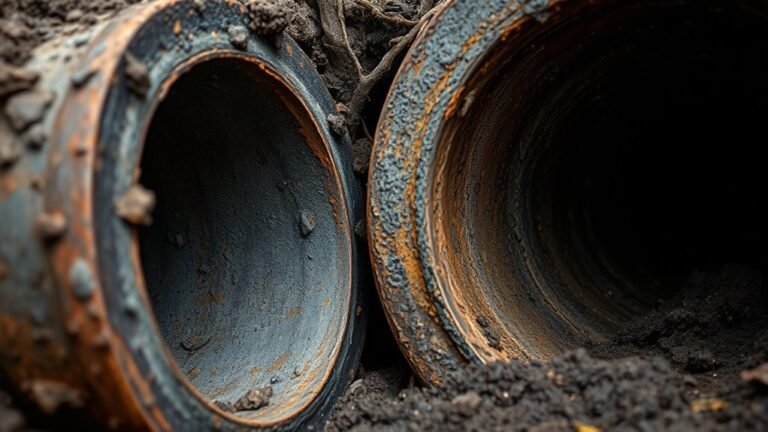
Sewer lines can last anywhere from 30 to over 100 years, depending on the pipe material. PVC pipes tend to last the longest, while clay or Orangeburg pipes wear out much sooner.
You can extend your sewer line’s life by scheduling regular inspections every 3-5 years. It’s also important to avoid flushing harmful items down the drain and to clear debris with methods like hydro jetting.
Managing tree roots is another key step to keep your sewer lines healthy. Catching small issues early helps prevent costly repairs and foundation damage.
Keep these tips in mind, and you’ll be better prepared to maintain your sewer system effectively. Taking care of your sewer lines now can save you headaches later on!
Key Takeaways
- Sewer line lifespan varies by material: PVC lasts 100+ years, cast iron and clay 50-60 years, Orangeburg 30-50 years.
- Regular inspections every 3-5 years help catch wear, cracks, and root intrusion early. This way, you can avoid costly sewer line failures.
- Maintaining sewer lines means things like hydro jetting, not flushing stuff that shouldn’t go down the drain, and controlling tree roots with barriers and trimming.
- Proper pipe lining with epoxy or CIPP can add 30-50+ years to your sewer line’s life. Just make sure it’s installed and cured correctly.
- If you notice slow drains, weird odors, or soggy spots, don’t wait. Fixing these signs quickly prevents backups, soil erosion, and foundation damage.
Common Sewer Pipe Materials and Their Lifespan
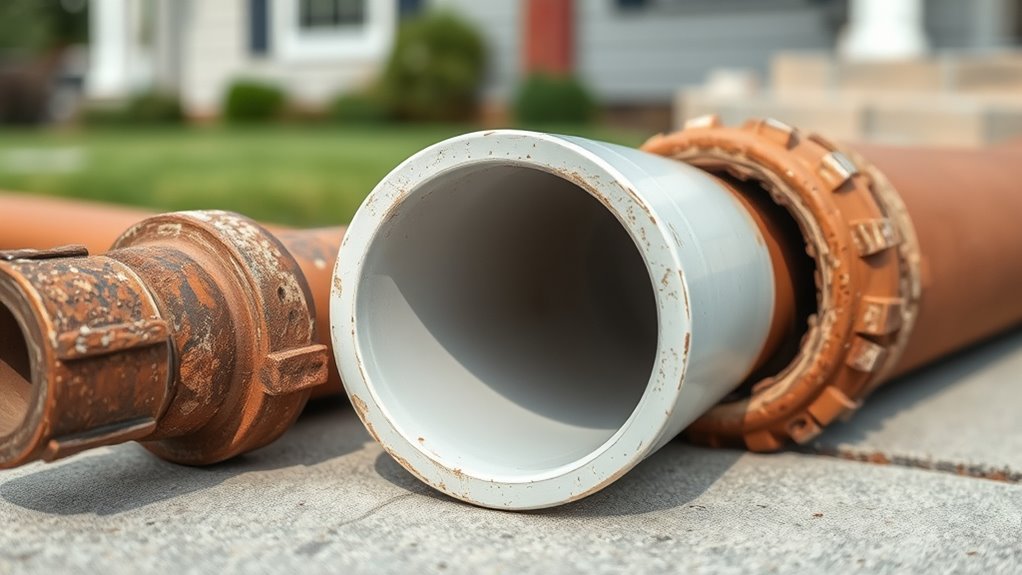
Although many factors affect sewer pipe durability, understanding the common materials and their lifespans helps you make informed maintenance decisions.
PVC sewer pipes, especially Schedule 40, are the most durable modern pipe material. They often last over 100 years, making them a top choice for longevity.
PVC Schedule 40 pipes stand out for their exceptional durability, often lasting more than a century.
Cast iron pipes were once popular and have a lifespan of 50-60 years. However, they can corrode and rust, which reduces their effectiveness over time.
Clay sewer pipes, common before the 1960s, also last about 50-60 years. But they’re prone to cracking and root intrusion, so they might need attention sooner.
Other outdated materials like Orangeburg pipes tend to collapse within 30-50 years. Knowing the lifespan of sewer pipe based on its material helps you anticipate repairs or replacement.
That way, you can keep your sewer line functional and trouble-free over time.
Factors Influencing Sewer Line Durability
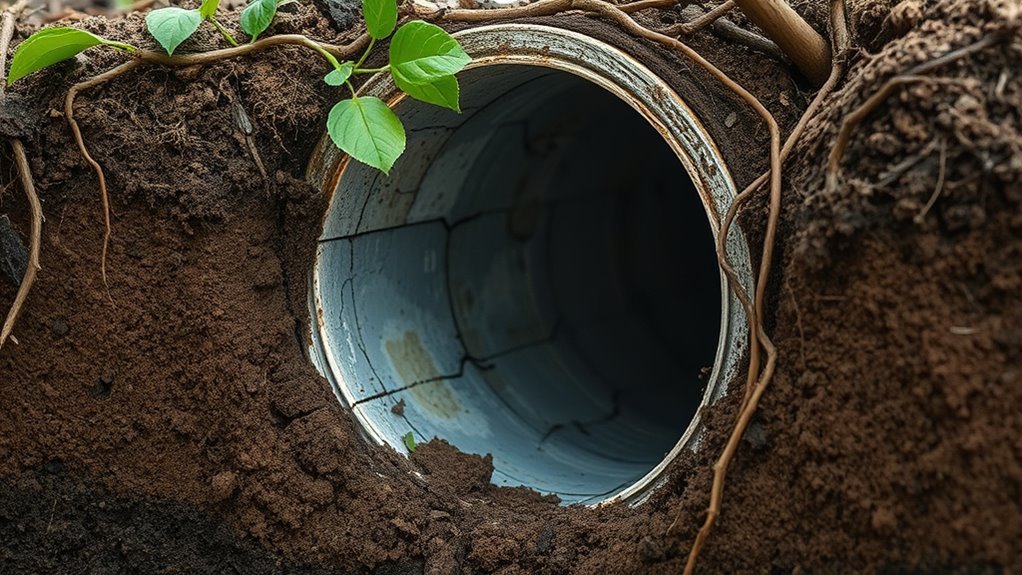
You need to understand that the lifespan of your sewer pipes depends heavily on the materials used and the environment they’re exposed to. Factors like soil type, tree roots, and corrosion can all wear down your pipes faster than expected.
Pipe Material Lifespan
The lifespan of sewer pipes depends heavily on the materials used and how well they withstand environmental challenges. PVC pipes, for example, can last over 100 years if installed and maintained properly, making them a durable choice.
Clay sewer lines typically have a pipe lifespan of 50-60 years but are prone to cracking and root intrusion. These issues can cause problems over time, so it’s something to keep in mind.
Cast iron pipes last around 50-75 years but often face corrosion. Corrosion is a form of material degradation that shortens their usability.
Older materials like Orangeburg pipes generally fail within 30-50 years due to material degradation. Knowing the pipe material lifespan helps you choose the right sewer line.
Plus, it helps you plan maintenance to extend its service life effectively. So, understanding these details really pays off in the long run.
Environmental Impact Factors
Because soil conditions and surrounding environments constantly change, they play a major role in how long your sewer lines last. Expansive clay and shifting earth can stress pipes, causing cracks and breaks that shorten pipe lifespan.
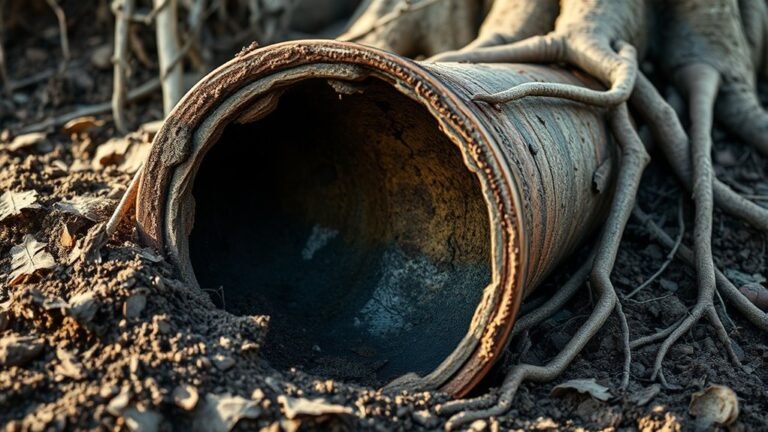
Tree roots actively seek moisture, often penetrating pipe joints, leading to leaks and blockages. Material corrosion is another concern, especially with older cast iron or clay pipes exposed to corrosive soil and groundwater, which accelerates deterioration.
Additionally, ground movement from construction, natural settling, or sinkholes can misalign or damage sewer lines. To protect your pipes, ensure proper installation in stable soil and consider corrosion-resistant materials.
Understanding these environmental impact factors helps you maintain your sewer system and extend its functional life effectively. It’s all about staying ahead of the issues before they become big problems.
Signs Indicating Sewer Line Wear and Damage
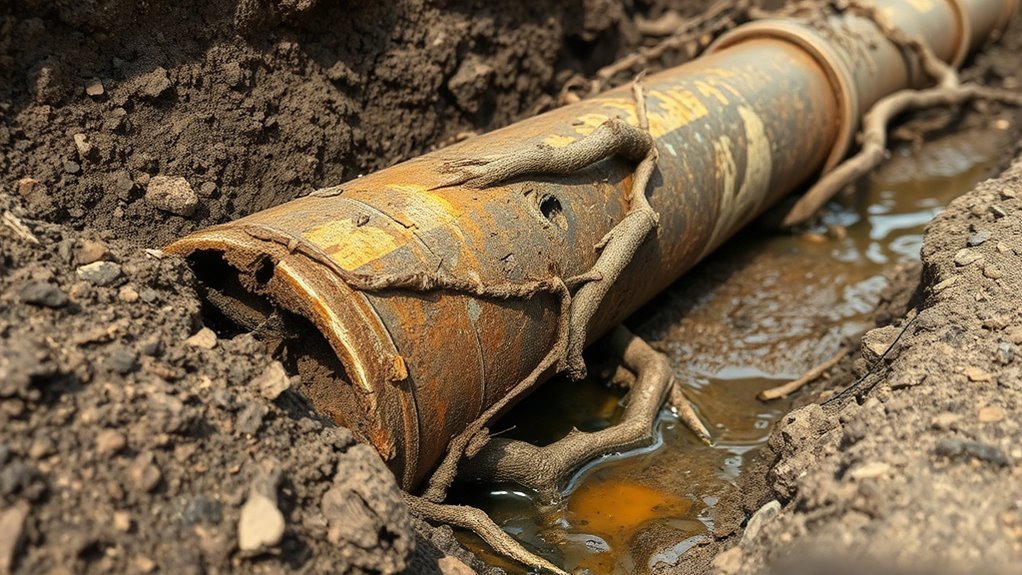
When multiple fixtures drain slowly, it often signals a blockage or damage in your sewer line. Sewer line damage can also show up as sewer system failure — like sewage backups or water pooling outside.
You might notice warning signs such as foul sewer gas smells inside your home or unusually lush green patches on your lawn caused by leaks. Pipe deterioration, including cracks or root intrusion, further indicates your sewer line needs attention.
| Warning Sign | What It Means |
|---|---|
| Slow drains | Possible blockage or damage |
| Sewer gas smell | Leaks or broken pipes |
| Lush green patches | Sewage leaks underground |
| Visible backups | Sewer system failure |
Watch for these signs to catch issues early and prevent costly repairs. Don’t wait until small problems turn into big headaches!
Importance of Regular Sewer Line Inspections
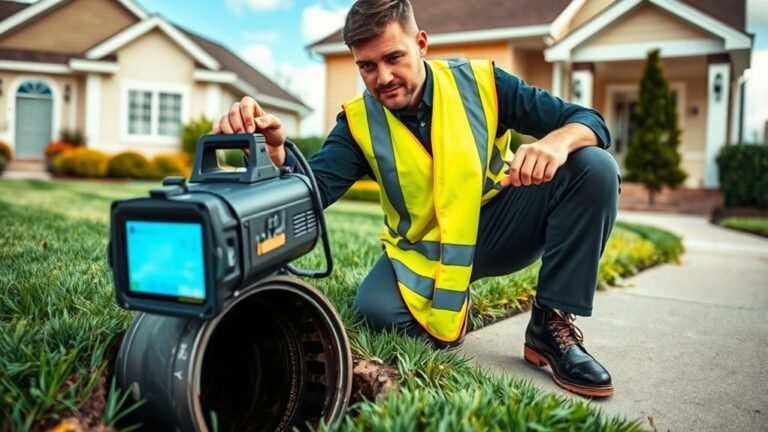
You should schedule regular sewer line inspections every 3 to 5 years to catch problems early before they escalate. Using sewer camera inspections, professionals can spot cracks, blockages, or root intrusions inside your pipes.
Staying on top of these checks helps you avoid costly repairs and keeps your system running smoothly. It’s definitely worth the effort to keep things flowing without a hitch!
Early Problem Detection
Although sewer lines are built to last, they can develop hidden issues that cause major damage if left unchecked.
Early problem detection through routine inspections is your best defense against costly repairs and pipe deterioration. Using sewer camera inspection, you can spot cracks, root intrusion, or blockages invisible from outside.
To protect your pipe lifespan, consider these key actions:
- Schedule routine inspections every 3 to 5 years to catch problems early.
- Inspect after major events like foundation shifts or landscaping to spot hidden damage.
- Address minor issues promptly to avoid raw sewage backups and full pipe replacements.
Inspection Methods Overview
Routine inspections play a crucial role in catching sewer line issues before they escalate. By scheduling routine inspections every 3 to 5 years, you can spot early signs of deterioration that might otherwise go unnoticed.
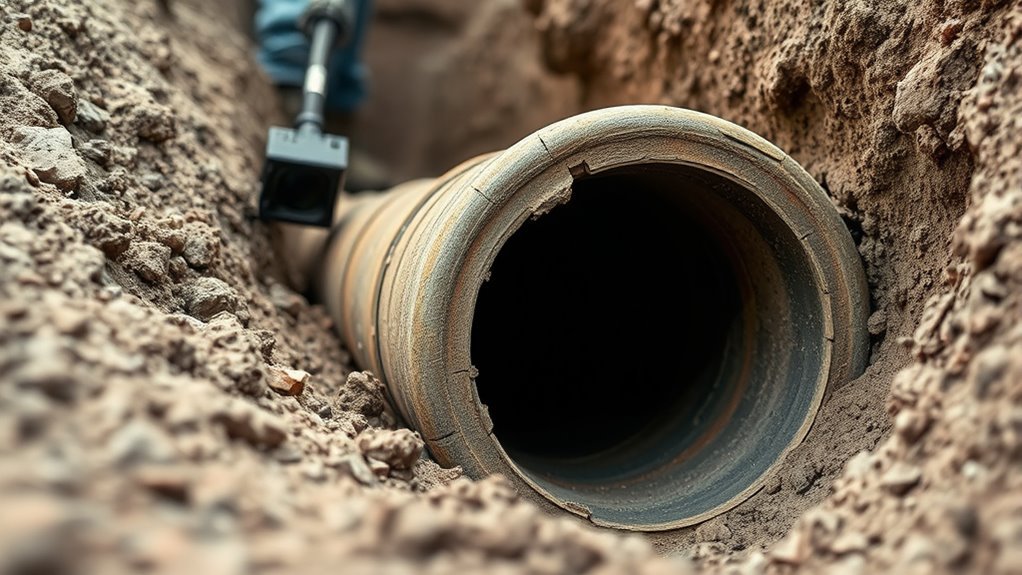
Video camera inspections are especially effective—they let you see the pipe condition inside your sewer lines clearly, revealing cracks, root intrusion, or blockages that aren’t visible from the outside. These inspections also assess the structural integrity of your pipes, helping you understand their age and material.
Using advanced robotic cameras ensures a precise evaluation, which is essential for older homes with aging clay or cast iron pipes. Staying proactive with regular inspections helps you prevent costly repairs and avoid major sewer backups down the line.
How to Prevent Sewer Line Damage
When you schedule sewer camera inspections every 3-5 years, you catch early signs of damage before they turn into costly repairs.
Effective sewer line maintenance hinges on following a disciplined inspection schedule and proactive care to prevent pipe deterioration and root intrusion.
Here’s how you can prevent sewer line damage:
- Avoid flushing non-flushable items and excessive grease. This helps prevent clogs and protects your pipe linings.
- Control nearby tree roots by trimming them regularly and installing root barriers. That way, you stop roots from invading your pipes.
- Use high-pressure hydro jetting periodically to clear out debris and buildup. This slows down pipe deterioration and keeps things flowing smoothly.
Also, be sure to address any foundation or soil movement quickly. Shifting ground can crack your pipes, which only increases repair costs.
Staying proactive like this will help your sewer lines last longer and work better overall.
Overview of Sewer Pipe Lining Methods
Keeping up with regular maintenance is a great way to extend the life of your sewer lines, but sometimes damage still occurs.
Sewer pipe lining offers a trenchless repair solution that fixes pipes from the inside without digging up your yard. One popular method is CIPP (Cured-In-Place Pipe), where a resin-saturated liner is inserted, inflated, and cured, forming a new pipe inside the old one.
Another option is epoxy coating, which is applied directly to the pipe’s interior to resist corrosion and boost pipe lifespan. Many modern linings use materials like polyvinyl chloride, known for durability.
These methods typically cost 30-50% less than traditional replacements and can extend your sewer line’s life by decades, making them both efficient and cost-effective. It’s a smart choice if you want to avoid the hassle and expense of digging up your yard.
Lifespan Expectations for Different Pipe Lining Materials
You can expect CIPP liners to last over 50 years, making them a solid long-term fix. Epoxy coatings usually hold up for 30 to 50 years when installed and maintained properly.
Keeping up with maintenance is key to extending the lifespan of any pipe lining you choose. It really pays off to stay on top of it!
CIPP Liner Longevity
Although pipe lining materials vary, CIPP liners stand out by offering impressive longevity that often matches or surpasses traditional repair methods. When you choose CIPP, you’re investing in a solution with a CIPP liner lifespan typically lasting 50 years or more.
This is thanks to superior pipe durability and resin resistance. To maximize this lifespan, keep these in mind:
- Installation quality: Proper curing with steam, UV light, or hot water guarantees the liner achieves its full strength.
- Environmental factors: Soil conditions and chemical exposures influence long-term sewer maintenance needs.
- Material advancements: Modern resins resist corrosion and root intrusion, extending service life.
Epoxy Coating Durability
When epoxy coatings are properly applied and cured using steam, heat, or UV light, they can last between 30 to 50 years. They offer a durable and corrosion-resistant barrier inside sewer pipes.
This long-lasting pipe lining protects against chemical attacks, abrasion, root intrusion, and leaks. Your epoxy coatings’ lifespan may even exceed 50 years if the host pipe remains in good condition.
| Pipe Lining Material | Expected Lifespan |
|---|---|
| Epoxy Coatings | 30 to 50+ years |
| CIPP Liners | 25 to 50 years |
| Cement Mortar | 20 to 40 years |
| PVC Pipes | 50+ years |
Epoxy coatings provide superior corrosion resistance, making them a reliable choice for sewer line longevity. They really stand out when it comes to keeping pipes in good shape for the long haul.
Maintenance Impact on Lifespan
Since proper maintenance plays a crucial role, you can substantially extend the lifespan of sewer pipe linings by following recommended care practices. Different pipe linings, including modern CIPP and epoxy coatings, rely on maintenance to maximize durability and longevity.
To guarantee your pipe linings last as long as possible, focus on these key steps:
- Avoid harsh chemicals that can degrade epoxy coatings and other lining materials.
- Schedule regular inspections to catch early signs of wear or damage.
- Maintain proper soil conditions around the pipes to prevent external stress.
Maintenance Tips to Extend Sewer Line Life
To keep your sewer line functioning smoothly and extend its lifespan, you should adopt a consistent maintenance routine. Start with regular sewer line maintenance, including scheduled pipe inspections every 3 to 5 years to catch early signs of damage.
Preventive hydro jetting helps clear grease, debris, and scale buildup, ensuring free-flowing pipes. Focus on blockage prevention by avoiding flushing non-flushable items like wipes or paper towels.
Tree root control is essential—keep roots away from your sewer lines by maintaining your landscape and installing root barriers if needed. Also, promptly address any backups, foul odors, or soggy spots with professional help to prevent further deterioration.
Following these tips will protect your sewer system and maximize its useful life. It’s easier to stay on top of things than to deal with major repairs later on!
When to Consider Sewer Line Repair Versus Replacement
Although regular maintenance can extend your sewer line’s life, you’ll eventually face the decision between repair and replacement. Knowing when to choose sewer line replacement or repair depends on the extent of damage and how long your sewer lines last.
Here are key points to contemplate:
- Minor issues like small cracks or blockages often call for repair, especially if your sewer line is relatively new.
- Signs of sewer damage such as persistent backups, foul odors, or wet patches indicate a need for prompt inspection.
- Extensive problems like collapsed pipes or severe root intrusion usually require full replacement to prevent recurring issues.
Regular inspections every 3-5 years help you decide if targeted repairs suffice or if a full replacement is necessary for long-term reliability.
It’s all about catching problems early and choosing the best option for your situation.
Impact of Sewer Line Condition on Home Foundation and Structure
When your sewer line leaks or breaks, it can erode the soil around your home’s foundation, causing instability and potential structural damage. Over time, pipe deterioration and root intrusion worsen soil erosion, increasing moisture levels that lead to foundation damage like cracks and uneven settling.
If you ignore these issues, water accumulation from sewer backups can weaken foundation walls and compromise your home’s structural integrity through mold growth and shifting. It’s really important to understand your sewer line lifespan so you can schedule regular inspections and make timely repairs or replacements.
Frequently Asked Questions
How Often Should Sewer Lines Be Replaced?
You should replace sewer lines every 50 to 100 years, but inspect them every 3-5 years.
If you notice backups, odors, or wet spots, don’t wait—schedule a replacement sooner to avoid bigger issues.
It’s always better to catch problems early than deal with costly repairs later. Keep an eye on your system and stay ahead of trouble!
How Much Does It Cost to Have Your Main Sewer Line Cleaned?
You’ll pay between $150 and $500 to clean your main sewer line, depending on clog severity and length. Hydro jetting usually costs $200 to $400.
Regular cleaning saves you from costly repairs later on. It’s definitely worth the investment to keep things flowing smoothly!
Is Relining Sewer Pipe Worth It?
Yes, relining sewer pipes is worth it if your pipes have minor damage. You’ll save money, avoid major disruptions, and enjoy a durable, corrosion-resistant solution.
This method can last decades with proper care and inspections. So, if you’re looking for a long-term fix without the hassle of digging up your yard, relining is definitely a smart choice.
Will Homeowners Insurance Pay for Sewer Line Replacement?
Your homeowners insurance usually won’t cover sewer line replacement unless damage results from sudden, specific events like fire or vandalism.
You’ll likely need separate sewer line insurance or add-ons to get that protection.
Conclusion
Remember, “an ounce of prevention is worth a pound of cure.” Taking care of your sewer lines through regular inspections and maintenance can save you from costly repairs and headaches down the road.
By knowing the materials used in your sewer system and spotting early signs of damage, you’ll be able to act promptly. This helps extend your sewer line’s lifespan and protects your home’s foundation from potential issues.
Stay proactive with routine check-ups and maintenance to keep everything flowing smoothly. Proper sewer line care is key to preventing blockages, leaks, and unexpected failures. With a little effort, you can ensure your sewer lines last longer and avoid expensive repairs in the future. So, keeping your sewer lines in good shape isn’t just smart—it’s essential for your home’s health.