How to Find the Main Sewer Line in 10 Essential Steps
To find your main sewer line, start by locating the sewer cleanout. This is usually near your home’s foundation or sometimes in flower beds. Make sure to clear away any debris that might be blocking your access.
Next, look for signs of clogs like slow drains or gurgling noises. These can be early warnings that something’s wrong with your sewer line.
Using a camera inspection is a great way to visually check the line’s condition and get a clear idea of what’s going on.
If you notice persistent clogs or foul odors, it’s definitely time to call a professional. They have the tools and expertise to handle serious issues safely.
Keep reading for essential tips on how to maintain your main sewer line and prevent costly problems down the road.
Key Takeaways
- Locate the sewer cleanout, which is typically near the house foundation or in utility areas. This cleanout gives you access to the main sewer line.
- Keep an eye out for signs of a clogged sewer line. These can include slow drainage, gurgling sounds, and sewage backups in multiple fixtures.
- For minor clogs, you can use a plumbing snake. But if the problem sticks around or you notice visible damage in the sewer line, it’s best to call a professional.
- Consider a camera inspection for a non-invasive way to check the sewer line’s condition. This helps identify blockages and cracks without digging.
- Make sure to document what you find. Measure the sewer line’s path and use landscaping markers to track its route from your house to the street.
What Is a Main Sewer Line and Why Is It Important?
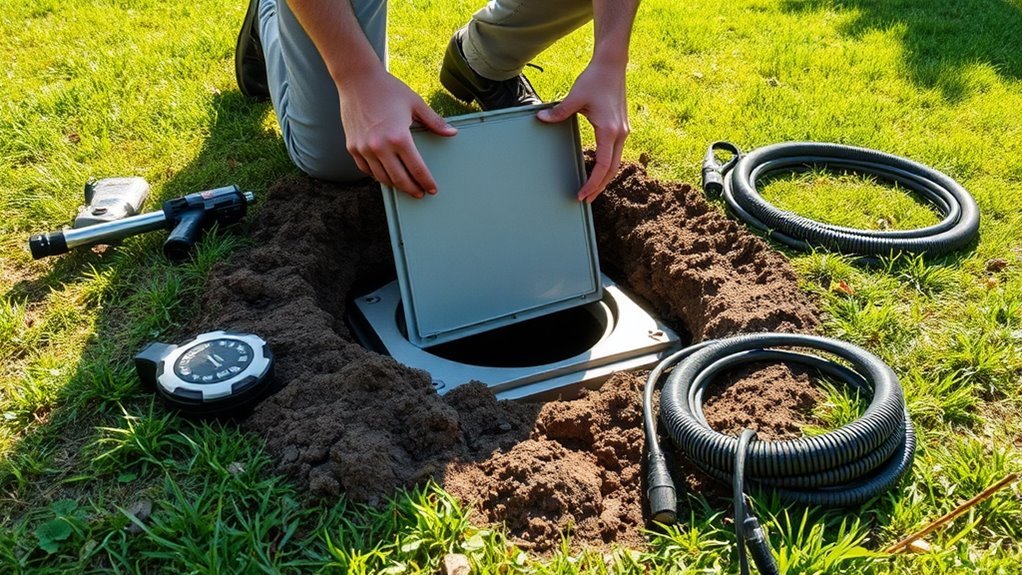
The main sewer line is the backbone of your home’s plumbing system. This critical underground pipe, usually 4-6 inches in diameter, carries wastewater from all your household drains to the municipal sewer or septic system.
As a homeowner, you’re responsible for maintaining this line from your property to the street or septic tank. Proper functioning of the main sewer line is crucial; if it fails, you could face costly backups that pose health hazards and require extensive repairs.
Regular inspections and maintenance help catch potential issues early, preserving the integrity of your plumbing system. By prioritizing the care of your main sewer line, you guarantee a clean and efficient home environment.
Identify the Location of Your Sewer Cleanout
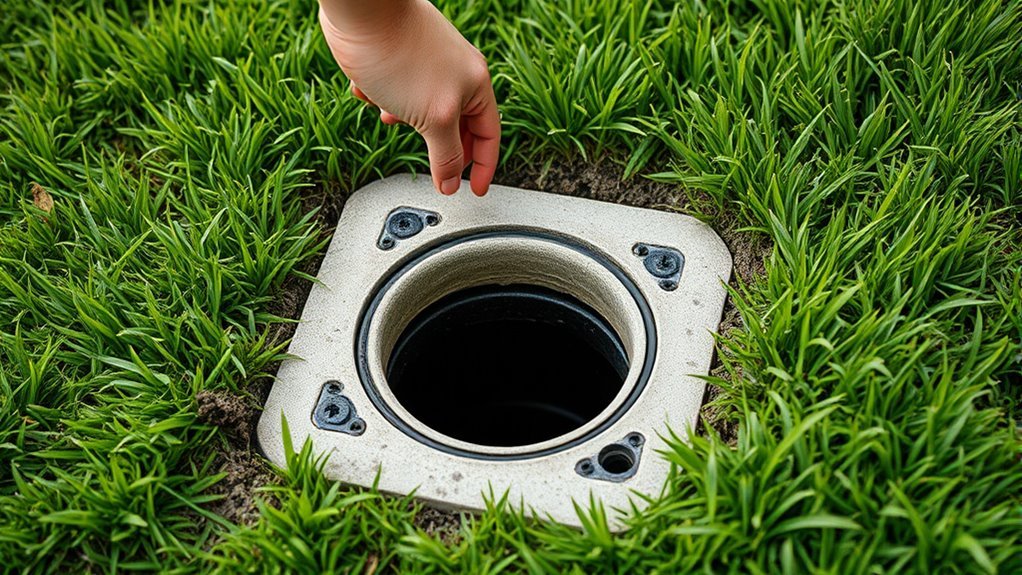
Finding your sewer cleanout is a key step in maintaining your main sewer line. This access point is usually a capped pipe, about 3-4 inches in diameter, providing essential access for plumbing maintenance.
Common locations include just outside your house near the foundation, in flower beds, or along property lines. These spots are often hidden by landscaping, so you might need to look carefully.
Common locations for your sewer cleanout include near the foundation, in flower beds, or along property lines—often concealed by landscaping.
If you have a slab foundation, check garages or utility areas. Older homes might have cleanouts in crawl spaces or basements.
To locate it, look for a short pipe with a threaded cap or square nut. Regularly checking this access point can help you avoid plumbing emergencies and make repairs easier when issues arise.
Clear Debris Around the Cleanout Access Point
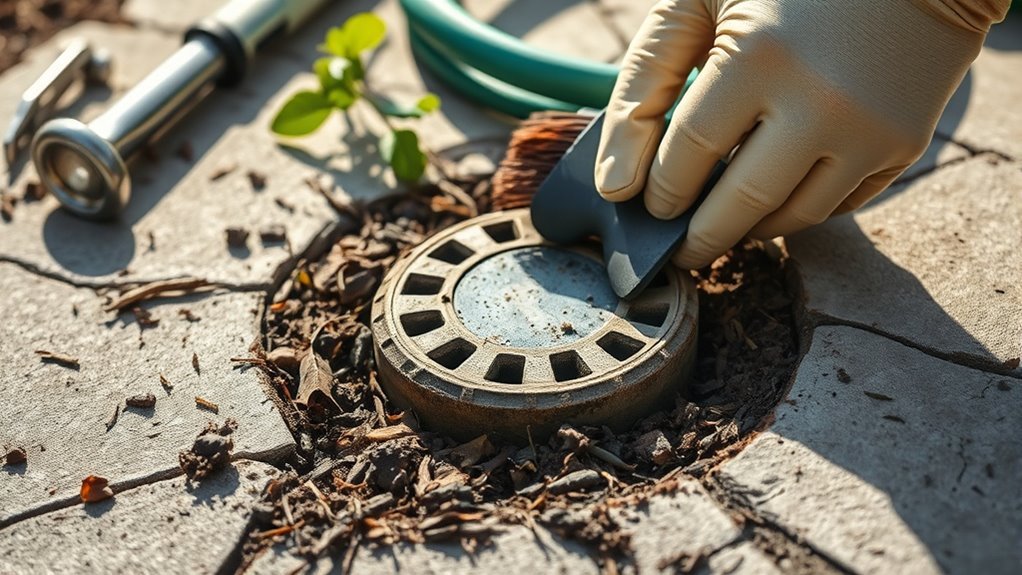
Once you’ve found your cleanout access point, it’s time to clear away any debris nearby. Remove mulch, weeds, or other obstructions to guarantee easy access for future maintenance.
Keeping this area tidy will save you time and hassle down the road. It’s a simple step that really pays off later!
Clear Surrounding Area
To effectively access your home’s main sewer line, start by locating the cleanout access point. It’s usually situated outside near the foundation or inside the garage.
Before you proceed, clear any debris that may obstruct access. Here’s how:
- Remove leaves, dirt, or landscaping materials around the cleanout access point.
- Use a garden trowel or similar tool to gently take away soil or mulch, being careful not to damage the surrounding area.
- While clearing, check for visible signs of damage or corrosion on the cleanout cap. This could indicate sewer line issues.
After clearing, make sure the cleanout cap is securely in place. This helps prevent debris from entering the sewer line and causing blockages later on.
Remove Obstructions Promptly
Clearing debris around the cleanout access point is essential for easy maintenance and inspections. Start by locating this capped pipe, usually near your house foundation.
You’ll often find it in landscaped areas or alongside property lines. To remove obstructions, grab a shovel or gardening tools and gently clear away leaves, soil, or mulch. Be cautious not to damage the cleanout or surrounding pipes.
Make sure the area is well-lit so you can see the cleanout cap clearly. It’s a good idea to regularly check this spot for new obstructions.
That way, you maintain easy access for future inspections. This proactive approach not only helps you but also makes it easier for professional plumbers when they need to address any issues.
Follow the Path of Your Sewer Line
As you begin tracing the path of your sewer line, start at your home’s main plumbing fixtures, like toilets and sinks. Then, follow the pipes leading to the exterior wall.
Here are some steps to make your search easier:
Here are some helpful tips to simplify your search for the sewer line’s path.
- Look for cleanouts: These capped pipes are typically near your foundation. They often mark the direction of your main sewer line.
- Follow the slope: Remember that main sewer lines usually run downward at a ¼ inch per foot. This ensures proper drainage.
- Check property records: If you have them, blueprints can give you a clear layout of your sewer system.
Also, keep an eye out in your yard for any lush patches or wet spots. These might be signs of the buried sewer line’s path.
Common Signs Indicating a Clogged Sewer Line?
Identifying a clogged sewer line can save you from significant damage and costly repairs. Look for slow drainage in multiple fixtures—this often signals a main sewer line problem rather than isolated clogs.
If you hear gurgling sounds from drains while water runs elsewhere, it suggests trapped air due to a blockage. Persistent foul odors from drains can indicate a serious backup or clog in your sewer system.
Additionally, if you notice sewage backing up in toilets and showers, it’s time to call a professional. Unusually lush patches or wet spots in your yard may also hint at a leak or blockage, possibly caused by invasive tree roots.
Addressing these signs early can prevent further issues. So, keep an eye out and don’t wait too long to get things checked!
Use a Plumbing Snake for Blockages
When you’re facing a clog, using a plumbing snake can be a game-changer. You’ll want to know about the different types of snakes and the proper technique to effectively tackle the blockage.
If things get too tricky, it might be time to call in the professionals. Sometimes, a little help goes a long way!
Common Snake Types
Plumbing snakes are essential tools for tackling stubborn clogs in your home’s drainage system. Understanding the common types can help you choose the right one for your needs.
- Hand-crank snakes: Ideal for small clogs, these are easy to use and perfect for household drains.
- Motorized augers: These are powerful tools designed for tougher obstructions, especially in larger pipes or the main sewer line.
- Flexible cable snakes: With their ability to navigate bends and curves, these snakes effectively break through clogs without damaging pipes.
Using the right plumbing snake not only resolves issues efficiently but can also save you from costly plumbing bills. So, equip yourself with the right tool to keep your drainage system flowing smoothly!
Proper Snaking Technique
Using the right plumbing snake is just the first step in tackling blockages effectively. Start by locating the clean-out access point, often near your home’s foundation, to reach the main sewer line for snaking.
Insert the plumbing snake into the clean-out opening, advancing it slowly while rotating the handle to navigate bends in the pipe. Apply consistent, gentle pressure to break up any clog, but avoid excessive force that could damage the pipe.
If you hit resistance, retract the snake slightly and push forward again to dislodge the obstruction. Repeat as needed.
Once the blockage is cleared, run water through the drain to guarantee proper flow and check for any remaining issues in the main sewer line.
When to Call Professionals
Despite your best efforts with a plumbing snake, some situations call for professional help. If you encounter stubborn blockages in your main line, it’s time to call in the experts.
Here are three scenarios when you should reach out to plumbers:
- Persistent Clogs: If clogs resist your plumbing snake and plunging, it’s a sign of a deeper issue.
- Multiple Fixtures Backing Up: When several drains are backing up at once, it often points to a serious main line blockage.
- Visible Damage: If you spot any cracks or leaks in your pipes while using the snake, a professional’s expertise is essential.
Don’t hesitate to call a professional plumber. They have the tools and knowledge to tackle complex plumbing issues effectively.
Employ Camera Inspection for Visual Diagnosis
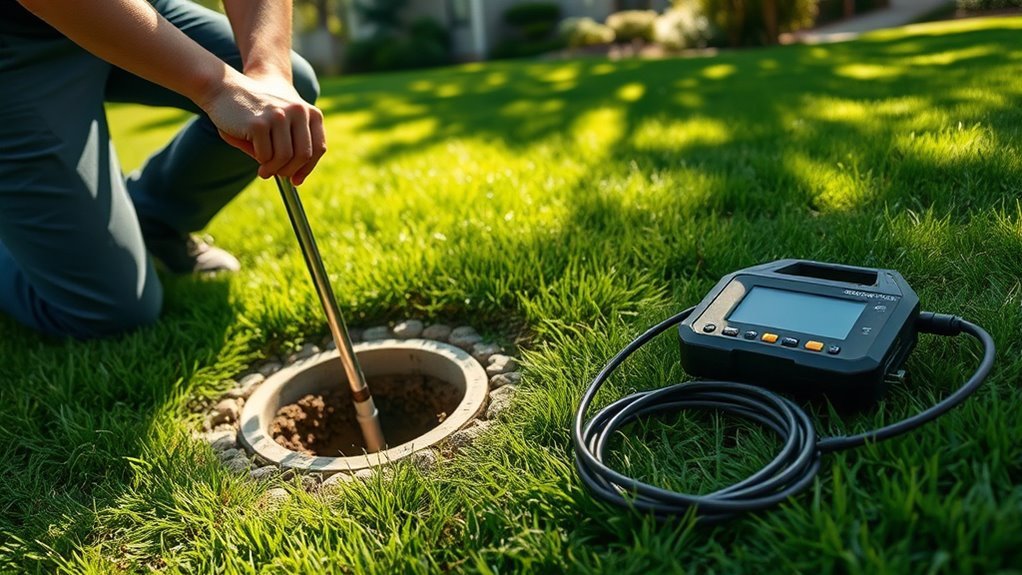
When it comes to diagnosing sewer line issues, employing a camera inspection can be a game-changer. This technique uses a high-resolution video camera attached to a flexible cable, allowing plumbers to visually assess your sewer line’s interior without invasive digging.
It’s perfect for identifying specific problems like blockages, cracks, or tree root intrusions. Typically performed through cleanouts or existing access points, camera inspections minimize disruption to your landscaping or flooring.
The process takes about 30 minutes to an hour, providing immediate feedback on your sewer line’s condition. By using this technology, you can prioritize necessary repairs early, potentially saving thousands in future plumbing costs and keeping your system running smoothly.
Document Findings About Your Main Sewer Line
To keep your main sewer line in check, you need to document your findings effectively. Use visual inspection techniques to spot any visible issues.
Also, implement measurement and mapping methods to track the line’s layout. This approach not only helps you understand its condition but also prepares you for any necessary maintenance.
Visual Inspection Techniques
Before diving into any digging, start your visual inspection by locating the main sewer cleanout. It’s usually a capped pipe about four inches in diameter. You’ll often find it outside near the foundation or in utility areas.
Next, pay attention to your yard for signs of settling or unusual vegetation growth. These can be clues that there’s a leak below. Finally, trace the layout of your home’s plumbing so you can understand the main sewer line’s path.
Here are three key points to check:
- Access Points: Look for basement cleanouts or vent stacks that can provide clues.
- Vegetation: Notice any lush patches that might signal a leak.
- Probing: Use a shovel to gently probe areas where you suspect the main sewer line runs.
Measurement and Mapping Methods
After you’ve completed your visual inspection, it’s time to accurately measure and map the main sewer line. Start by measuring from your house’s foundation to the street, as the line typically runs straight beneath the surface at a depth of 1.5 to 3 feet.
Use a metal detector to locate older metal pipes, and check property blueprints or municipal records for detailed layouts. Look for cleanout access points near the foundation or yard, which indicate the sewer line’s direction.
Finally, utilize landscaping markers or flags to map the route, helping avoid future digging issues.
| Method | Purpose |
|---|---|
| Measure from foundation | Locate main sewer line’s path |
| Metal detector | Find old metal pipes |
| Check blueprints | Get detailed layouts |
| Identify cleanouts | Indicate sewer line direction |
Know When to Call a Professional Plumber
Sometimes, ignoring plumbing issues can lead to bigger problems, so knowing when to call a professional plumber is essential. Here are some key signs that it’s time to get help:
- Persistent main sewer line clogs that don’t respond to plunging or snaking.
- Visible damage to sewer lines, like cracks or holes, that require expert repair.
- Gurgling sounds from drains, indicating trapped air and potential blockages.
If you notice sewage backing up in multiple drains or experience lingering foul odors, don’t hesitate to call a professional. These problems rarely fix themselves.
Addressing these issues promptly can save you from costly repairs and extensive damage. Trust your instincts—when in doubt, it’s always better to get a professional’s assessment.
Essential Tips for Maintaining Your Main Sewer Line
Maintaining your main sewer line is essential for preventing costly repairs and ensuring smooth plumbing function. Schedule professional inspections with licensed plumbers every 1-2 years to catch early signs of wear or clogs in your sewer main.
Limit what goes down your drains to water, human waste, and toilet paper; this helps minimize blockages. Installing cleanouts at key locations allows for easy access during maintenance and emergency repairs.
Use enzyme cleaners periodically for effective drain cleaning and to break down organic material, keeping your sewer line healthy. Finally, educate all household members on proper disposal methods to avoid flushing non-biodegradable items that can lead to severe clogs.
Prioritize preventative maintenance to protect your plumbing system. It’s definitely worth the effort to keep things flowing smoothly!
Frequently Asked Questions
How Do I Locate My Sewer Line?
To locate your sewer line, start by checking your building plans. These documents often show where the sewer line runs, which can save you a lot of guesswork.
Next, look for clean-out access points around your property. They’re usually capped pipes that provide direct access to the sewer line.
Also, take a good look at your yard’s features. Sometimes, the sewer line follows a path that avoids large trees or structures.
Tracing drainage fixtures inside your home can give clues too. Follow the pipes from sinks, toilets, or floor drains—they usually connect to the main sewer line.
If you’re still unsure, using a metal detector can help find buried sewer lines, especially if they contain metal components.
These steps combined make it easier to locate your sewer line without unnecessary digging or damage.
What Are Four Signs That Your Sewer Line Is Broken?
Did you know that 25% of homes experience sewer line issues? If you notice multiple backups, gurgling sounds, or foul odors, your sewer line might be broken and needs attention.
Also, keep an eye out for wet spots in your yard. These signs together usually mean it’s time to call a professional.
How Do I Find Where My Main Water Line Comes Into My House?
Check your basement or crawl space near the foundation wall. Look for the water meter, visible piping, or valves.
If you’re unsure, consult your building plans or call a plumber for precise assistance. They can help you find the exact spot without any guesswork.
How to Find Where a Water Pipe Enters a House?
Did you know nearly 80% of water leaks happen at entry points? To find where a water pipe enters your house, look near the foundation.
Check for visible pipes or locate the main shut-off valve. It’s usually close to where the pipe comes in.
This can help you quickly spot any issues before they get worse. Just a little inspection goes a long way!
Conclusion
In your quest to uncover the main sewer line, you’ve navigated a maze of pipes and clues. Think of it as a treasure hunt; each step brings you closer to the buried gems of knowledge you need.
By staying vigilant and proactive, you can keep your plumbing running smoothly, avoiding costly mishaps. Remember, a well-maintained sewer line is like a strong backbone for your home, supporting its very foundation.
So, keep it clean and flowing, and your worries will drift away! Regular maintenance and timely inspections of your main sewer line not only prevent blockages but also protect your entire plumbing system.
By following these essential steps, you ensure a healthy sewer line that safeguards your home from unpleasant backups and expensive repairs. Keeping your main sewer line in good shape is key to a hassle-free plumbing experience!