How to Find Sewer Cleanout in 3 Easy Steps
To find your sewer cleanout, start by checking common indoor spots like your garage, utility room, or bathroom.
Look for a T- or Y-shaped fitting along your drainage pipes. These fittings are usually easy to spot and are your sewer cleanout points.
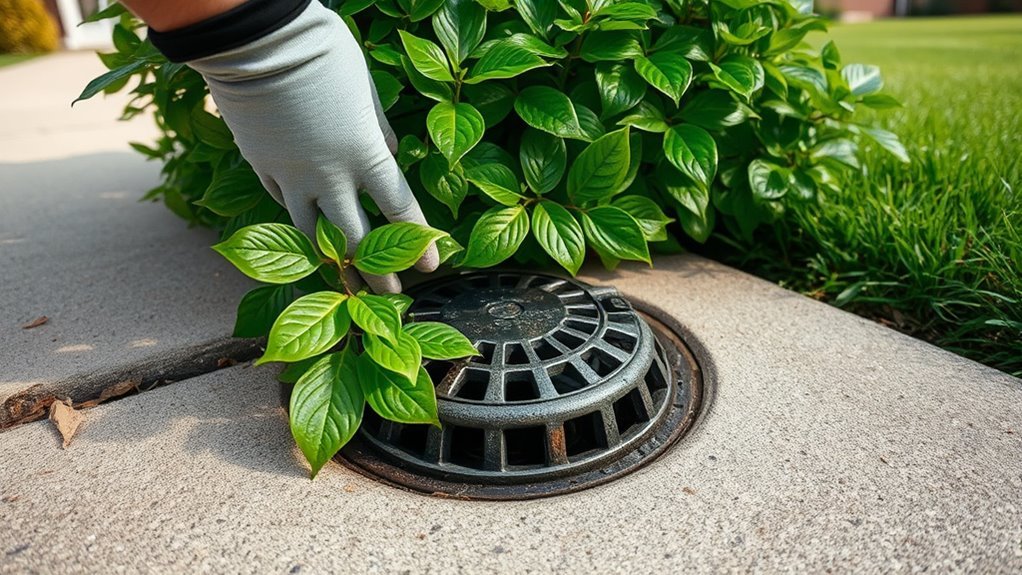
If you’re outdoors, take a walk around your yard.
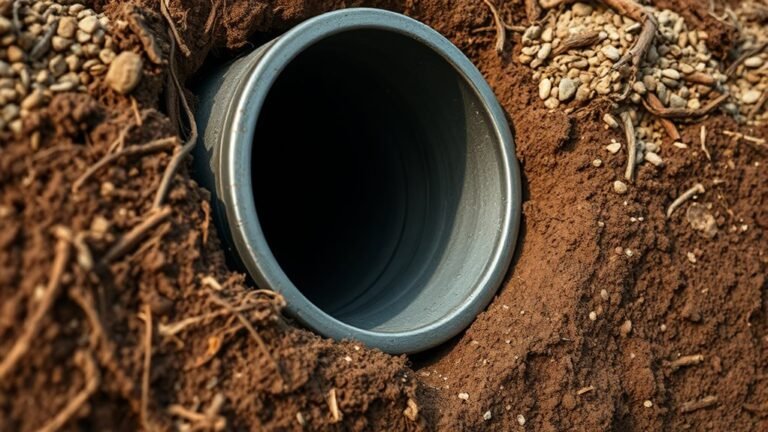
Look for any pipes sticking out of the ground—these typically lead to the municipal sewer or your septic system. In warmer climates, you’re more likely to find these cleanouts outside, so keep an eye out for visible drainage lines.
Once you locate the cleanout, keep watch for signs that might mean you need a plumber’s help.
Whether it’s slow drains or unusual odors, knowing where your cleanout is can save you time and money when dealing with plumbing issues.
Key Takeaways
- Check common indoor locations like garages, utility rooms, or bathrooms for T- or Y-shaped fittings along drainage pipes. These fittings often signal where the cleanout might be.
- Inspect outdoor areas for protruding pipes, typically along paths to municipal sewer systems or septic tanks. Keep an eye out for capped pipes sticking out of the ground.
- Use a flashlight to look in dimly lit areas, tracing drainage lines from sinks and toilets to locate cleanouts. It helps to follow the pipes carefully so you don’t miss anything.
- Look for cleanouts with removable plugs and caps, usually made from cast iron, ABS plastic, or brass. These materials are common, so spotting them can be a good clue.
- Be attentive to signs of sewer issues like slow drains or unpleasant odors, which may indicate nearby cleanouts. These signs might just lead you right to the cleanout you’re looking for.
What Exactly Is a Sewer Cleanout?
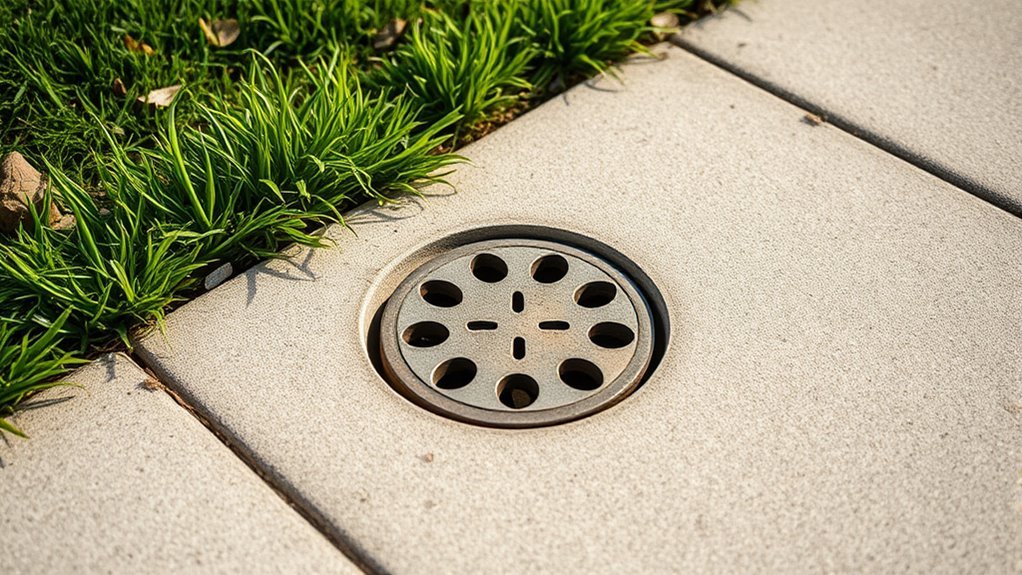
A sewer cleanout is your home’s essential access point to the main sewer line, designed for inspecting and clearing blockages. Typically available in 3-, 4-, or 6-inch diameters, cleanouts can be made from materials like cast iron, ABS plastic, or brass.
They feature a plug and cap, easily removed for maintenance and inspection. Indoor cleanouts are more common in colder climates, while outdoor cleanouts often appear in warmer areas of your yard.
You’ll usually find cleanouts as T- or Y-shaped fittings along drainage pipes, with their locations varying based on your home’s foundation type. Knowing where these access points are can save you time and hassle when dealing with sewer issues.
Step-By-Step Guide to Locating Indoor and Outdoor Sewer Cleanouts
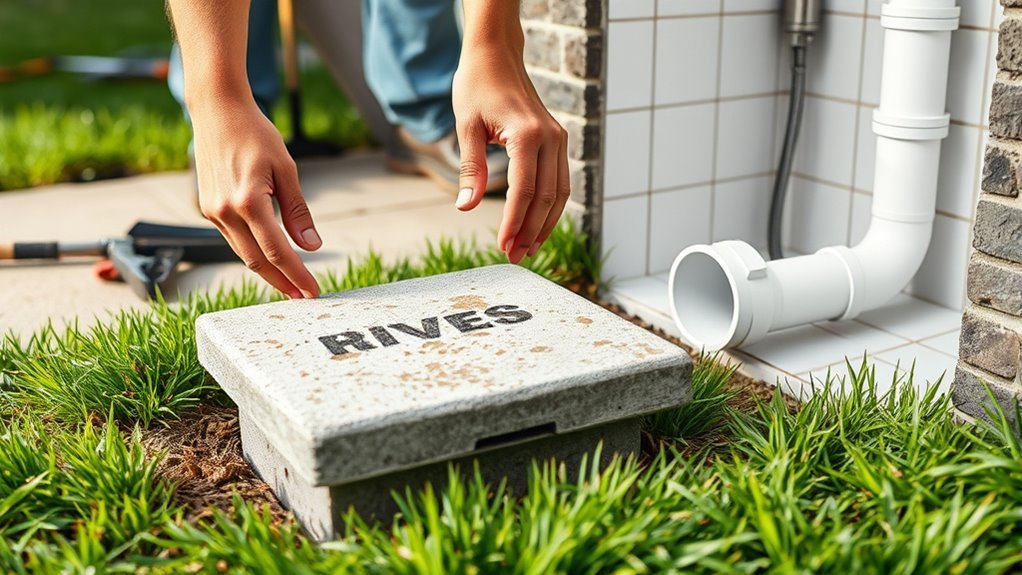
Locating a sewer cleanout is essential for effective plumbing maintenance and quick access during emergencies. Here’s how to find both indoor and outdoor cleanouts:
Check common areas like garages, utility rooms, or bathrooms for an indoor sewer cleanout. It’s usually a T- or Y-shaped fitting along drainage pipes.
For outdoor cleanouts, look for protruding pipes in your yard. These are often found along the path to the municipal sewer system or septic tank.
Use a flashlight to inspect dimly lit spaces and trace drainage lines from sinks and toilets. This can make spotting cleanouts a lot easier.
Remember, warmer climates usually have outdoor cleanouts, while colder ones favor indoor options because of freeze risks.
If you can’t locate the cleanout, don’t hesitate to seek professional assistance. It’s better to get expert help than to risk causing damage.
Signs You Need to Call a Plumber for Sewer Cleanout Issues
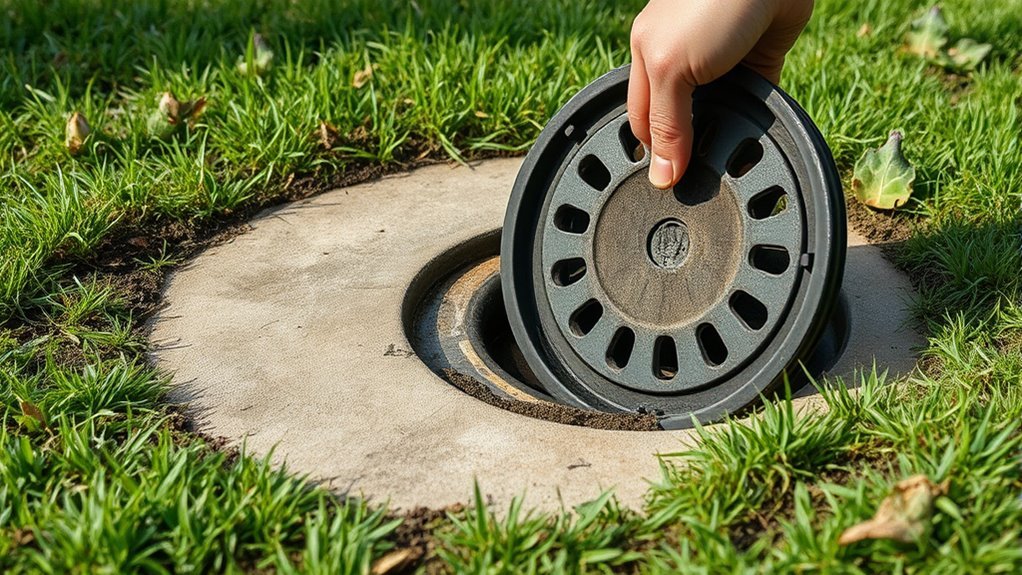
Finding a sewer cleanout is just the first step in maintaining your plumbing system. If you notice frequent backups in sinks, toilets, or drains, it may signal a serious blockage that requires accessing the cleanout.
Unpleasant odors coming from your drains can indicate a sewer line issue. And gurgling sounds in fixtures often suggest trapped air in the sewer line.
Pay attention to slow drains; if water drains slowly or not at all, it’s time to act. Finally, visible sewage in your yard or near the cleanout is a critical sign that demands immediate attention from a licensed plumber.
Don’t wait until the problem escalates—call a professional as soon as you notice these signs. It’s better to be safe than sorry!
Frequently Asked Questions
What Does a Septic Cleanout Look Like?
A septic cleanout typically looks like a vertical pipe, usually 4 inches in diameter, often capped.
You might spot it near the septic tank, marked with “S” or “C.O.” for easy identification.
It’s pretty straightforward once you know what to look for!
How to Clean Out Main Sewer Line?
Cleaning out your main sewer line’s like untangling a stubborn knot. First, locate the cleanout access—it’s your gateway to the blockage.
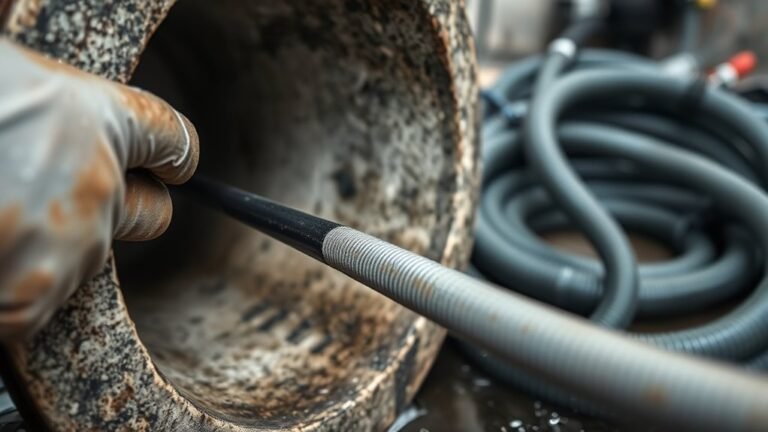
Next, grab a plumber’s snake to break up those stubborn clogs. If the blockage is really tough, consider using high-pressure jetting.
And hey, don’t forget to always wear protective gear! Safety first when dealing with sewer lines.
Do All Septic Tanks Have a Cleanout?
Not all septic tanks have a cleanout. Most modern systems include one for maintenance, but older ones might not.
It’s a good idea to check your local building codes. That way, you can see if your system requires a cleanout for easier access.
How Big Is a Sewer Cleanout?
Imagine a portal to your plumbing’s underworld. Sewer cleanouts typically range from 3 to 6 inches in diameter, with 4 inches being the most common.
This size makes it easier to get in with cleaning tools and do maintenance. It’s all about giving plumbers the space they need to work without hassle.
Conclusion
Finding your sewer cleanout can feel like searching for a needle in a haystack, but it doesn’t have to be overwhelming. Just remember, while a cleanout is often hidden away, it’s your key to preventing bigger plumbing nightmares.
On one hand, you’ve got the satisfaction of a DIY success; on the other, the looming worry of a clogged pipe. By knowing where to look, you can enjoy peace of mind, keeping your home running smoothly and your worries at bay.
Locating your sewer cleanout is essential for quick access during plumbing issues. It helps you avoid costly repairs and keeps your drainage system functioning properly. So, take a few minutes to find that cleanout—it’s a small step that can save you from huge headaches down the road. Knowing where your sewer cleanout is means you’re better prepared to handle any plumbing challenges with confidence and ease.