
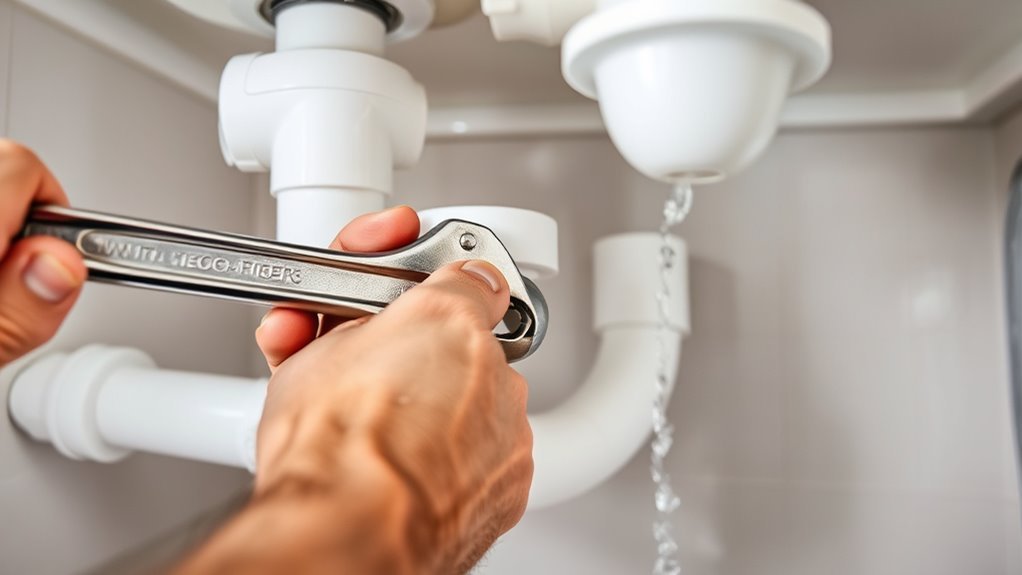
How to Prevent Sewer Gas From Exploding
You can prevent sewer gas explosions by keeping your plumbing seals intact and ensuring proper ventilation. Sewer gas, which often contains flammable methane, can build up in your home if there are leaks or blockages. That’s why checking for damaged P-traps, clogged vents, or cracked pipes is so important.
Using sewer gas detectors is a smart way to get an early warning before things get dangerous. If you notice persistent odors or hear gurgling sounds, don’t ignore them—address these issues quickly.
Regular maintenance and professional inspections go a long way in eliminating risks. Stay attentive to leaks and venting problems to keep your home safe.
Managing sewer gas hazards effectively is all about being proactive and thorough.
Key Takeaways
- Ensure proper venting and regular inspection of plumbing vents to prevent gas accumulation in confined spaces. This helps keep the air safe and reduces the risk of gas buildup.
- Maintain and replace seals, gaskets, and wax rings to prevent sewer gas leaks around toilet and sink fixtures. These small parts are super important for keeping smells and gases out.
- Regularly clean and inspect drain traps, vent pipes, and sewer lines to detect and fix blockages or damage. A little upkeep goes a long way in avoiding bigger problems down the line.
- Install and maintain certified sewer gas detectors to provide early warnings of hazardous methane and hydrogen sulfide levels. These devices can be lifesavers by alerting you before things get dangerous.
- Seek immediate professional plumbing repairs if persistent sewer gas odors, gurgling sounds, or symptoms of exposure occur. Don’t wait around—getting help quickly can prevent explosions or health issues.
Understanding the Risks of Sewer Gas Explosions
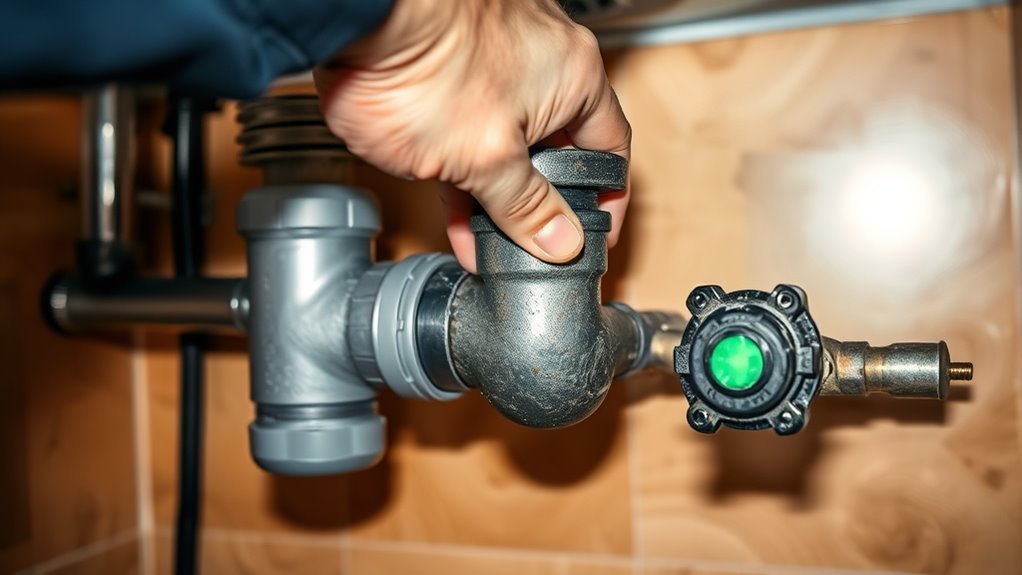
Because sewer gas contains flammable components like methane and hydrogen sulfide, you need to understand the risks it presents. Sewer gas can accumulate in confined spaces due to improper venting or seal failures, creating a hazardous environment.
These gases are not only toxic but also highly combustible. That means even a small spark—from static electricity, open flames, or electrical equipment—can trigger an explosion.
If your plumbing system is old or closed to new upgrades, the risk becomes greater since outdated seals and vents may fail more easily. You must prioritize regular maintenance and ensure proper venting to prevent dangerous buildups.
Common Sources of Sewer Gas Leaks
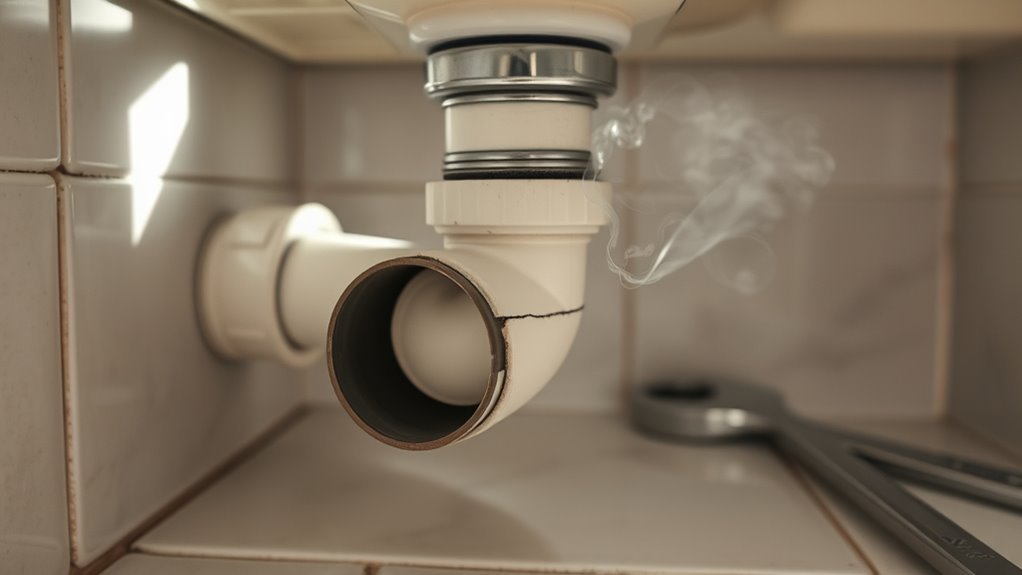
Recognizing the dangers of sewer gas is the first step, but identifying where these leaks come from helps you prevent them. Sewer gas often escapes through faulty seals or damaged pipes.
Blocked vents and uncapped drain lines also let gases seep into your space. Knowing these common sources lets you act quickly to fix leaks before they become hazardous.
| Source | Description |
|---|---|
| P-traps | Improperly sealed or damaged traps allow gas escape |
| Vent pipes | Blockages cause gas backup and leakage |
| Sewer pipes | Cracks provide direct gas pathways |
| Drain lines & valves | Uncapped or poorly connected lines leak gas |
| Toilet & sink seals | Missing or faulty seals increase leak risk |
Identifying Signs of Sewer Gas Accumulation
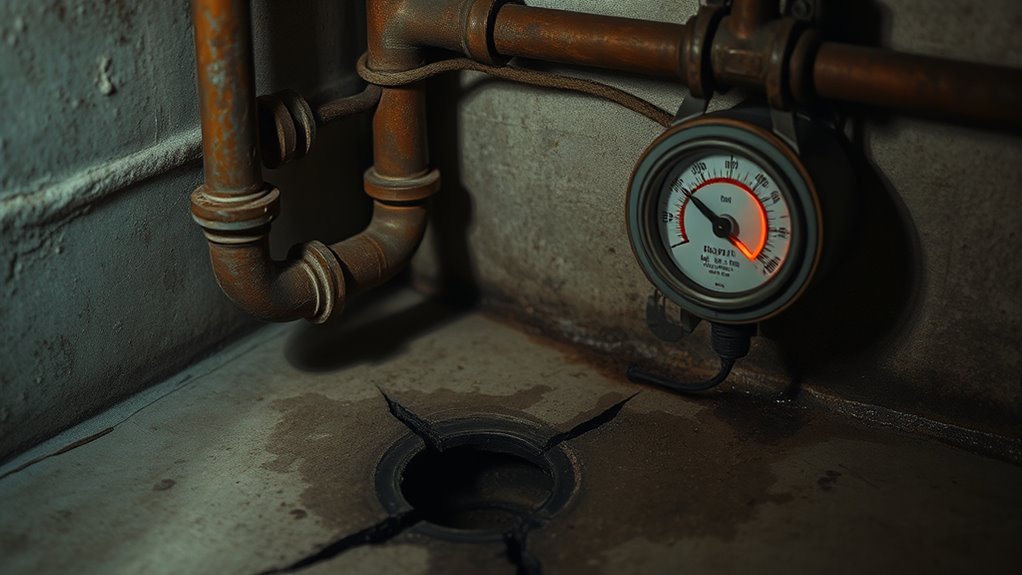
You’ll want to watch for unusual odors like a rotten egg smell near drains or toilets, which often signal sewer gas buildup.
Pay attention to physical symptoms such as bubbling sounds or water level changes that indicate ventilation problems.
Monitoring these signs early helps you address issues before gas accumulates dangerously.
Detecting Unusual Odors
When unusual sewage odors linger in your home, they often signal a buildup of sewer gas. Pay close attention to a persistent rotten egg smell, which usually indicates hydrogen sulfide, a toxic element in sewer gas.
If you notice faint or unexpected odors near toilets, drains, or basements, suspect venting or seal issues. Don’t ignore odors that persist despite proper ventilation—they might mean a leak or plumbing malfunction.
Detecting these unusual smells early is essential. If you regularly smell sewer gas, act quickly and arrange for a professional inspection.
Prompt detection helps you avoid serious health risks and potential explosions by addressing the problem before it worsens. Trust your nose—it’s your first line of defense against sewer gas accumulation.
Recognizing Physical Symptoms
How can you tell if sewer gas is affecting your health? Pay close attention to symptoms like headaches, dizziness, nausea, or irritation in your eyes and throat.
Prolonged exposure might cause coughing, wheezing, or trouble breathing. If you feel unexplained fatigue, memory issues, or other neurological symptoms, sewer gas could be the culprit.
Always watch for a foul odor near plumbing fixtures or confined spaces—it’s a key sign of gas buildup. Sudden dizziness, confusion, or fainting demand immediate medical help and evacuation.
| Symptom Category | Common Signs |
|---|---|
| Immediate Effects | Headaches, nausea, eye irritation |
| Respiratory Issues | Coughing, wheezing, difficulty breathing |
| Severe Symptoms | Dizziness, confusion, loss of consciousness |
Monitoring Ventilation Issues
Although sewer gas is invisible, you can spot signs of poor ventilation that signal dangerous buildup. Regularly check vent pipes for obstructions like debris, leaves, or nests to keep air flowing freely.
Listen for unusual gurgling sounds in your plumbing fixtures—these often indicate venting problems and possible gas accumulation. Pay attention to persistent foul odors near drains, toilets, or vents; these smells usually mean blockages or leaks.
Also, watch for water condensation or moisture around vent openings, as this suggests improper venting increasing gas risks. To stay ahead, use sewer gas detectors near vent outlets and plumbing fixtures.
Proper Plumbing Seal Installation Techniques
To prevent sewer gas from escaping, you need to install plumbing seals with care and precision. Start by ensuring the wax ring or gasket is properly seated and evenly compressed when setting the toilet.
Use a level to align the toilet perfectly, avoiding any gaps where gas might seep through. Tighten the bolts gradually and uniformly to prevent cracking the base or compromising the seal.
Apply plumber’s putty or sealant around the flange and base to reinforce the barrier against gas infiltration. Don’t forget to regularly inspect seals and gaskets for wear or damage, replacing them as needed.
These steps ensure a secure seal, keeping sewer gas safely contained and your home protected. It’s all about taking your time and being thorough!
Importance of Ventilation in Preventing Gas Build-up
You need to guarantee proper airflow by keeping windows and vents open to help disperse sewer gases. Regularly maintain your ventilation system to keep it working efficiently and prevent gas build-up.
Proper Airflow Techniques
When you guarantee proper ventilation in areas with plumbing, you markedly reduce the risk of sewer gas buildup. Regularly open windows and doors to increase airflow, letting toxic gases like methane and hydrogen sulfide disperse safely.
Installing vents and exhaust fans ensures continuous airflow, minimizing pressure and preventing gas from escaping sewer lines. Adequate airflow stops gases from stagnating, reducing explosion risks in confined spaces.
| Technique | Purpose | Benefit |
|---|---|---|
| Open Windows/Doors | Increase natural airflow | Prevent gas accumulation |
| Install Exhaust Fans | Maintain continuous ventilation | Reduce sewer line pressure |
| Use Vent Pipes | Facilitate gas escape | Avoid dangerous buildup |
Follow these airflow techniques to keep your space safe from sewer gas hazards. It’s a simple but effective way to protect your home and health.
Ventilation System Maintenance
Maintaining your ventilation system plays a vital role in keeping sewer gases from building up and posing a hazard. You need to inspect and clean vent pipes regularly to guarantee proper airflow, which prevents dangerous gas accumulation.
A well-functioning ventilation system disperses harmful gases like hydrogen sulfide and methane, considerably lowering explosion risks. Installing vent caps or filters helps keep debris and pests out, maintaining clear vent pipes for effective gas flow.
Make sure vent pipes remain unobstructed and leak-free to allow sewer gases to escape safely during pressure buildup. Routine maintenance combined with prompt repairs of any damaged components is essential to prevent hazardous gas concentrations.
Regular Maintenance and Inspection of Sewer Systems
Since sewer gas poses serious health and safety risks, regular maintenance and inspection of your sewer system are essential to preventing dangerous leaks or explosions. Start by checking plumbing vents often to ensure they’re clear and gases can escape safely.
Don’t neglect routine inspections of P-traps and seals—they block sewer gas from entering your home. Clean drain lines periodically to avoid buildup that leads to backups and gas accumulation.
Replace any worn or damaged seals, gaskets, and vent parts promptly to keep your system airtight. For a thorough check, hire professional plumbers who can spot potential gas escape points early.
Staying on top of these tasks helps you maintain a safe sewer system and greatly reduces the risk of hazardous gas leaks or explosions. It’s definitely worth the effort to keep everything running smoothly!
Using Sewer Gas Detectors for Early Warning
Although regular maintenance is essential, using sewer gas detectors gives you an extra layer of protection by alerting you to dangerous hydrogen sulfide and methane levels before they become hazardous. Install these detectors in key places like basements, bathrooms, or near septic tanks to catch leaks early.
Modern detectors come with audible alarms and visual indicators, so you’ll know immediately if gas builds up. Make sure to test and maintain your detectors regularly to keep them working properly.
Many models let you adjust alarm thresholds, allowing you to tailor alerts to local safety standards and environmental conditions. By relying on these devices, you can spot potential dangers early and prevent sewer gas from reaching explosive levels, safeguarding your home and health effectively.
Safety Precautions When Handling Sewer Systems
When you handle sewer systems, taking safety precautions is essential to protect yourself from toxic gases and potential explosions. Follow these steps to stay safe:
Always wear protective gear like gloves and masks to prevent inhaling harmful gases. Make sure you’re covered up properly before starting any work.
Ensure proper ventilation by opening windows and using fans to disperse sewer gases. Fresh air can really make a difference here.
Regularly inspect plumbing vents, traps, and seals to stop gas buildup and leaks early. Catching problems early helps avoid bigger issues down the line.
Use certified sewer gas detectors to monitor hazardous gas levels and get early warnings. These tools can be lifesavers.
Avoid tampering with sewer lines unless you’re professionally trained, as improper handling can cause dangerous gas accumulation or explosions. It’s really best to leave it to the pros.
When to Call a Professional Plumber
If you notice persistent sewer gas odors or unusual sounds like gurgling, you should call a professional plumber right away to diagnose and fix the problem. Don’t wait if you suspect a sewer gas leak that you can’t contain or repair safely yourself.
Prompt repairs are essential when you detect unexplained smells, plumbing failures, or suspect broken or improperly sealed vent pipes. Only a licensed plumber can inspect these components and prevent dangerous gas buildup.
Prompt repairs by licensed plumbers are crucial to address smells, plumbing issues, and prevent dangerous sewer gas buildup.
If you’re unsure about your plumbing connections or toilet seal integrity, seek expert help. Complex or hazardous sewer gas issues require evaluation and repair by a licensed specialist to ensure safety and compliance.
Acting quickly helps protect your home and health from potential explosion risks. So, when in doubt, it’s best to call a pro right away!
Frequently Asked Questions
What Neutralizes Sewer Gas?
You neutralize sewer gas using activated charcoal filters, chemical neutralizers, and septic tank additives. These absorb or break down harmful gases, reducing smell and toxicity.
Regular maintenance and proper plumbing also help keep sewer gas under control. Keeping things in check makes a big difference!
How to Prevent Gas Explosion in Home?
You should guarantee all plumbing seals are tight and keep vents clear. Ventilate spaces well to ensure fresh air flows through your home.
Also, install gas detectors to catch any leaks early. Don’t forget to schedule regular professional inspections.
These steps help prevent dangerous gas buildup and reduce explosion risks in your home. Staying proactive keeps your space safe and sound.
What Are the Signs of Sewer Gas Exposure?
You’ll notice headaches, dizziness, nausea, and throat irritation. You’ll sense a rotten egg smell, experience coughing, and feel fatigue.
You’ll recognize difficulty breathing, neurological symptoms, and worsening respiratory issues indicating sewer gas exposure.
Why Does My Dry P-Trap Smell Bad?
Your dry P-trap smells bad because it’s lost the water seal that blocks sewer gases. When the water evaporates or leaks, those gases escape, causing unpleasant odors inside your home.
Just run water regularly to fix this. It’s an easy way to keep the smell away!
Conclusion
You might think simply sealing pipes stops sewer gas explosions, but ventilation plays an equally essential role. Without proper airflow, trapped gases can still accumulate and ignite.
So, don’t just focus on sealing leaks—ensure your plumbing system is well-ventilated and regularly inspected. Using gas detectors adds an extra layer of safety, giving you early warnings.
When in doubt, call a professional plumber to keep your home safe and sound. Preventing sewer gas from exploding isn’t just about patching holes; it’s about maintaining good ventilation and monitoring gas levels. Regular inspections, proper pipe sealing, and ventilation work hand in hand to reduce risks effectively. Remember, a well-ventilated plumbing system combined with safety measures like gas detectors is your best defense against dangerous sewer gas explosions.