How to Hand Sew Binding on a Quilt in 3 Easy Steps
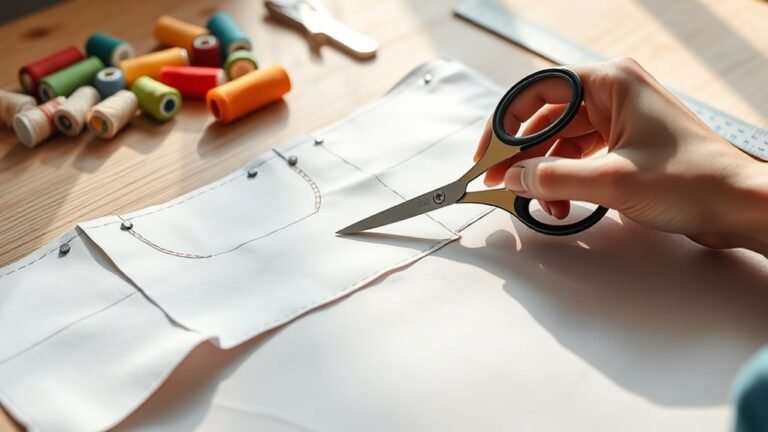
To hand sew binding on a quilt, start by preparing your binding strips and clipping them in place around the quilt edges. This step is key to keeping everything aligned as you sew.
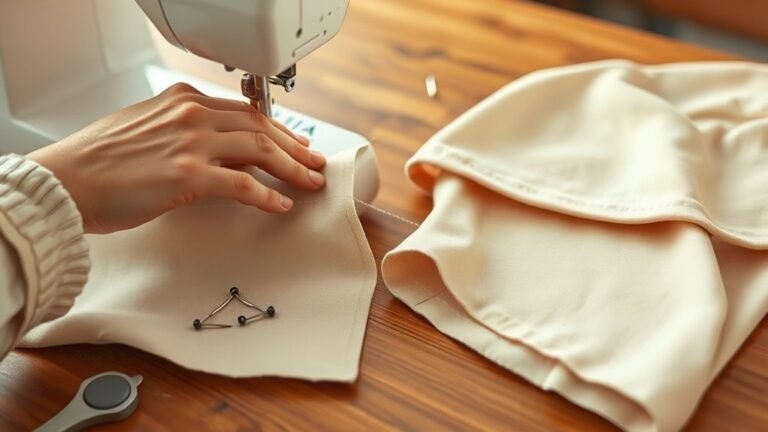
Using a ladder stitch, carefully attach the binding, making sure your stitches are even for a neat, polished finish.
When you reach the corners, fold them neatly to maintain a clean look. It might take a little practice, but getting those corners right really makes a difference.
Finally, double-check your work for any missed spots or loose threads. Taking the time to review ensures your quilt binding looks professional and holds up well.
There’s definitely more to perfecting your hand sewing technique, so keep going to discover additional tips! With a bit of patience and practice, you’ll be binding like a pro in no time.
Key Takeaways
- Prepare the Binding: Cut your binding strips and attach them to the quilt’s edges. Make sure they are securely clipped in place before sewing.
- Practice the Ladder Stitch: Use a ladder stitch for attaching the binding. Try to keep your stitches evenly spaced and nearly invisible for a polished look.
- Miter the Corners: Fold and trim the binding at corners correctly. This helps ensure smooth transitions and hidden stitches for a neat finish.
- Check Tension Regularly: Keep an eye on the tension of your thread. Maintaining consistent tension will help you avoid puckering and give your quilt a clean, professional appearance.
- Secure Knots and Ends: Hide knots and thread ends neatly within the binding. This step preserves both the quilt’s aesthetic and its durability.
Why Hand Sewing Binding Matters
Hand sewing binding on a quilt truly enhances its overall look and feel. Unlike machine-stitched methods, hand binding offers a refined finish that elevates your quilt’s aesthetic.
The ladder stitch guarantees your stitch line remains nearly invisible, preserving the beauty of your quilt top while securing the binding effectively. As you hand sew, you gain greater control over the binding process, allowing for precise adjustments, especially at corners where raw edges can be tricky.
Plus, hand stitching can be a therapeutic experience, offering you a meditative moment to connect with your craftsmanship. Engaging in hand binding not only showcases your skill but also adds a personal touch that machine methods simply can’t replicate.
Essential Supplies for Hand Sewing Binding on a Quilt
To successfully hand sew binding on a quilt, you’ll need a few essential supplies that streamline the process and enhance your experience. Gathering the right tools will make stitching the binding much easier and enjoyable.
First up, quality hand quilting threads like DMC Perle 8 or Sashiko are great choices. They help prevent breakage and knotting, which can be super frustrating.
Quality hand quilting threads like DMC Perle 8 or Sashiko prevent breakage and knotting for a smoother sewing experience.
Next, a sharp hand quilting needle is a must. A size 10 or 11 needle will make it easier to maneuver through multiple layers of fabric without hassle.
Don’t forget a thimble! It protects your fingers while you push the needle through those thick quilt layers.
And lastly, binding clips are really handy. They keep the binding in place, especially if you find traditional pins tricky to work with.
With these supplies, you’ll be all set to create a beautiful finish on your quilt!
Common Issues When Hand Sewing Binding?
While sewing binding on your quilt can be a rewarding experience, it’s not without its challenges. One common issue is making sure your stitches are evenly spaced. This affects both how your quilt looks and how long it lasts.
When you get to a mitered corner, be sure to fold it the right way. This helps you avoid visible stitches or puckering. And don’t pull the thread too tight—that can mess up the quilt edges.
If you’re having trouble hiding knots and thread ends, try tacking them down securely. Also, using the wrong type of thread can cause it to break a lot, which gets really frustrating. So, pick your thread carefully.
If something goes wrong, don’t be afraid to go back and fix your stitching. Keeping the binding in place as you sew will make your quilt look great in the end.
Frequently Asked Questions
What Type of Thread Is Best for Hand Sewing Binding?
For hand sewing binding, use high-quality cotton thread that matches your fabric. It’s durable, blends well, and withstands wear.
You’ll want to avoid polyester blends though. They can create tension issues and mess with your quilt’s appearance.
How Can I Prevent My Stitches From Showing on the Front?
To prevent your stitches from showing on the front, use a small, even stitch and sew through just a few threads of the quilt top.
This keeps the binding secure while maintaining a clean appearance. It’s a simple trick but makes a big difference!
Is There a Specific Needle Size for Hand Sewing Binding?
Yes, a size 8 or 9 hand sewing needle works best for binding. It’s thin enough to slip through the fabric easily but sturdy enough to handle multiple layers without bending or breaking.
You’ll find it makes the whole process smoother. Plus, it helps keep your stitches neat and even, which is always a win!
Can I Use a Sewing Machine for Binding Instead?
Yes, you can use a sewing machine for binding. It speeds up the process and creates a strong hold.
Just make sure to choose the right stitch and adjust your machine for a neat finish. This way, your binding will look professional and last longer.
How Long Should My Binding Strips Be Cut?
You should cut your binding strips about 2.5 inches wide and in lengths of at least 40 inches.
This gives you enough fabric to join strips together. Plus, it helps create a smooth, finished edge for your quilt.
Conclusion
Ultimately, mastering hand sewing binding can elevate your quilt to a whole new level. It’s like turning a simple piece of fabric into a cozy time machine.
With the right supplies and a little practice, you’ll conquer any common issues that pop up. So grab your needle and thread, channel your inner quilting wizard, and get started!
Before you know it, you’ll have a beautifully bound quilt ready to share with family and friends. Hand sewing binding on a quilt is a skill that adds a personal touch and durability to your project. It’s not just about finishing the edges; it’s about creating something special that lasts. Keep practicing these easy steps, and you’ll make quilting even more enjoyable and rewarding!