How Long Do Sew-In Extensions Last?
You can wear sew-in extensions comfortably for about two to three months before you should have them reinstalled to avoid damage or buildup. Sew-in extensions are a popular choice for adding length and volume, but keeping them in for too long can cause issues.
Natural hair sheds daily, and trapped shed strands can cause tangling and discomfort if not managed.
Keeping up with gentle cleansing, detangling, and moisturizing helps maintain both your extensions and your scalp’s health. It’s important to take good care of your sew-in to keep your hair looking fresh and to prevent any damage.
If you want to learn how to prevent damage and extend their lifespan, there’s more helpful info ahead.
Key Takeaways
- Sew-in extensions typically last 2-3 months before needing removal or reinstallation. This helps prevent damage and buildup.
- It’s a good idea to reinstall them every 1-2 months to keep your scalp healthy and reduce tangling. Plus, it helps your extensions last longer.
- Natural hair shedding can get trapped in the extensions, which causes matting and discomfort. So, regular cleansing and maintenance are really important.
- You’ll want to reinstall if you notice persistent tangling, the extensions feeling loose, scalp irritation, or tightness.
- Taking good care of your extensions, handling them gently, and switching up braid patterns each time you reinstall will keep both your natural hair and extensions healthy.
Recommended Wear Time for Sew-In Extensions
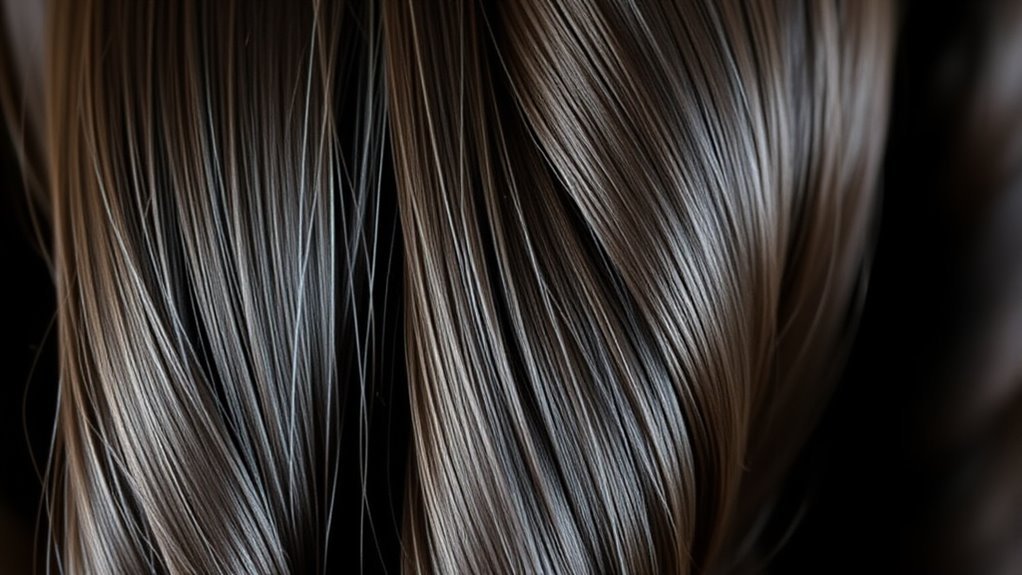
Although sew-in extensions can enhance your look for weeks, you should only wear them for 2 to 3 months to avoid hair damage. Make sure you don’t exceed this recommended wear time, as prolonged use can cause matting, excessive tension, and breakage.
Hair naturally sheds about 80 to 100 strands daily. If you keep your extensions in too long, shed hair can build up, leading to tangles and scalp issues.
To maintain both your natural hair and the extensions, make sure to have them reinstalled every 1 to 2 months. This regular maintenance helps prevent buildup and keeps your scalp healthy. Plus, it preserves your hair’s integrity while extending the life of your sew-ins.
Understanding Natural Hair Shedding and Its Impact
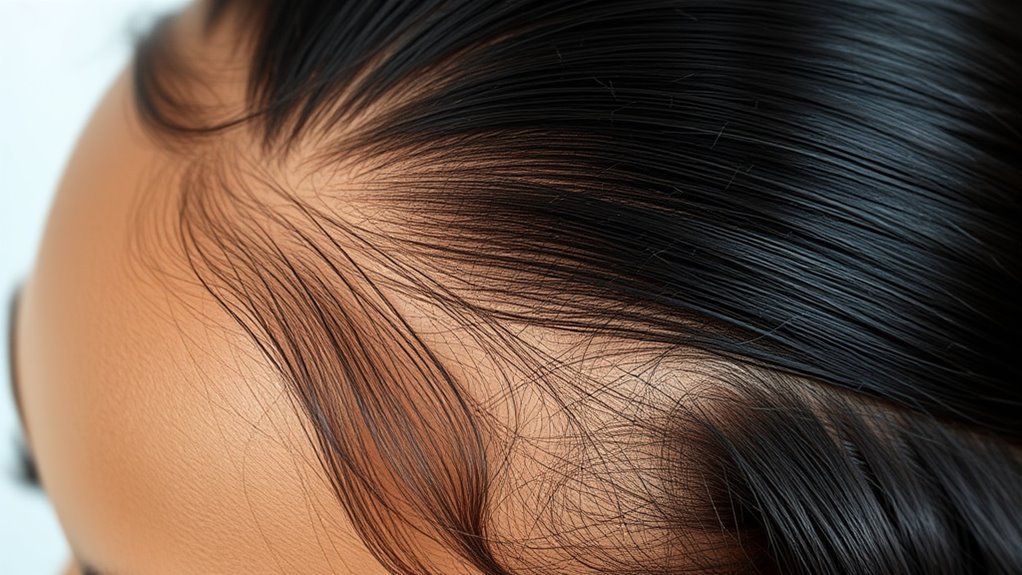
You naturally shed about 80-100 strands of hair daily, and these strands can get trapped in your sew-in extensions.
Over time, this buildup can cause tangling and matting near your scalp. This affects both your natural hair and the extensions.
Staying on top of regular maintenance helps prevent these issues and keeps your scalp healthy. It’s definitely worth the effort!
Daily Hair Shedding
How much hair do you naturally shed each day? On average, you lose about 80-100 hairs daily, which is completely normal.
When you wear sew-in extensions, these shed hairs can get trapped in the braids or weave, potentially causing issues if not managed properly.
Here’s what you should keep in mind:
- Shed hairs caught in your extensions can tangle and mat if not removed regularly.
- Buildup of shed hair might lead to scalp discomfort or itching over time.
- Regular cleansing and moisturizing help manage shedding and keep your scalp healthy.
Shed Hair Accumulation
Because your scalp naturally sheds 80-100 hairs daily, these strands can quickly build up in sew-in braids if not addressed. When you leave sew-ins in too long, shed hair gets trapped near the roots, causing matting and tangling.
This buildup makes maintenance tougher and increases the risk of hair damage. To keep things manageable, it’s important to remove and reinstall your sew-ins regularly.
Proper scalp hygiene is key, too—shampooing and conditioning help clear away shed hair and prevent issues like dandruff or mold. Staying on top of shed hair accumulation not only keeps your scalp healthy but also helps you enjoy your sew-in extensions longer without unnecessary complications.
Impact on Extensions
Although natural hair shedding is a normal process, it can considerably affect the condition of your sew-in extensions if not properly managed. You shed around 80-100 hairs daily, and these hairs can get trapped in your braids.
If you don’t regularly remove this buildup, it can cause tangling, matting, and even damage to both your natural hair and the extensions. To keep your sew-ins looking fresh and healthy, consider these tips:
- Schedule reinstallation every 1-2 months to prevent excessive buildup.
- Cleanse and condition your scalp and extensions regularly to manage shedding.
- Avoid prolonged wear without maintenance to reduce the risk of damage caused by trapped shed hair.
Taking these steps helps maintain your extensions’ integrity and your scalp’s health. It’s all about staying on top of your hair care routine!
Essential Hair Care Routine During Sew-In Wear
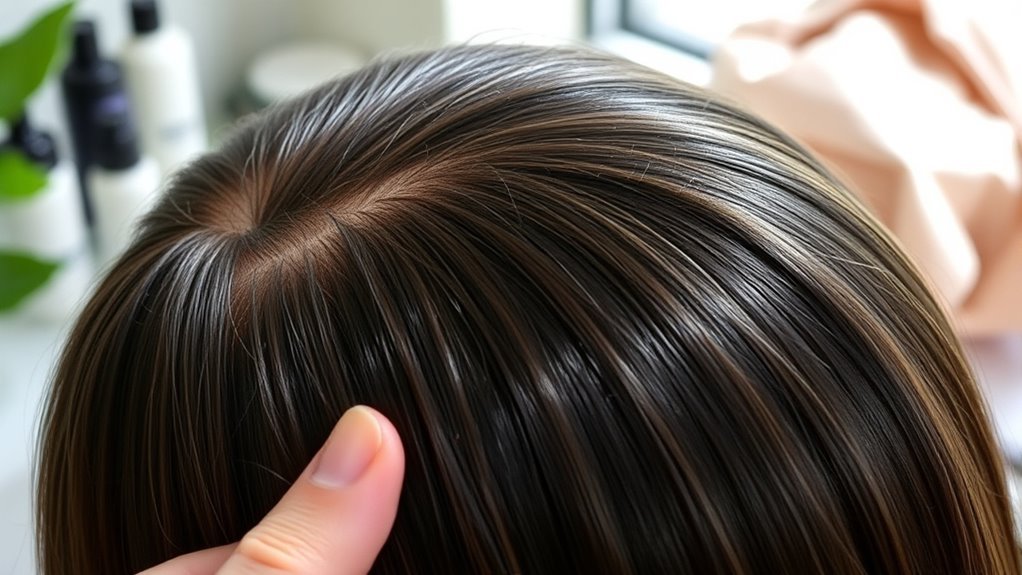
To keep your sew-in extensions looking fresh and lasting longer, you’ll need to adopt a consistent hair care routine. Use water-based shampoos and conditioners to gently cleanse your scalp and extensions regularly.
Deep condition weekly to maintain moisture and prevent breakage. Seal in hydration with natural oils like argan or coconut oil.
Always dry your hair thoroughly after washing to avoid scalp issues. Handle your hair with care by gently detangling and avoiding excessive tension.
| Care Step | Recommendation |
|---|---|
| Shampoo & Conditioner | Use water-based, gentle products |
| Deep Conditioning | Weekly to maintain moisture |
| Moisture Sealing | Apply natural oils like argan/coconut |
| Drying | Fully dry to prevent mold and scalp problems |
| Handling | Detangle gently, avoid tight tension |
Importance of Varying Braid Patterns
You’ll want to switch up your braid patterns with each reinstall to keep your hair healthy and strong. Changing the direction and style of your braids helps prevent thinning and breakage by distributing tension evenly.
This simple step supports even hair growth and extends how long your sew-in extensions last. It’s an easy way to protect your hair while enjoying your style.
Benefits of Pattern Variation
When you vary your braid patterns with each reinstall, your hair avoids getting trained to grow in one direction, which supports healthier growth.
Changing up your braid style helps distribute tension evenly, reducing damage from tight or repetitive braiding. It also keeps your scalp comfortable by preventing constant pressure in the same spots.
Here are three key benefits of pattern variation:
- Reduces the risk of thinning or uneven hair by avoiding consistent tension on the same areas.
- Encourages natural hair movement, which minimizes breakage and matting.
- Maintains scalp health by preventing discomfort from repeated braid placement.
Preventing Hair Thinning
Varying your braid patterns does more than just support healthier hair growth—it plays a key role in preventing hair thinning. When you switch up your braid direction with each reinstall, you avoid training your hair to grow in one direction, which reduces tension-related thinning.
Consistently using the same pattern causes stress and friction on specific scalp areas, leading to localized breakage and thinning. By changing your braid styles regularly, you distribute tension evenly across your scalp, preventing trained parts that can create uneven, thin patches.
This variation encourages even hair growth and helps maintain a fuller, healthier natural hair appearance beneath your sew-in extensions. So, to protect your hair’s integrity and prevent thinning, make varying your braid patterns a key part of your sew-in routine.
How to Prevent Hair Thinning and Damage
Although sew-in extensions can enhance your look, preventing hair thinning and damage requires careful attention to braid tension and pattern. You want to avoid tight braids that pull too hard on your scalp, which can lead to thinning and breakage.
Sew-in extensions look great but beware of tight braids that cause scalp strain and hair breakage.
Changing your braid pattern each time you reinstall helps prevent stress on the same areas. Here’s how to keep your hair healthy:
- Keep braid tension moderate to reduce stress on hair follicles and avoid breakage.
- Switch up braid patterns regularly to stop hair from thinning in one spot.
- Use deep conditioning and scalp treatments to maintain strength and prevent damage from long-term wear.
Signs It’s Time to Remove or Reinstall Sew-Ins
If you’ve worn your sew-in extensions for a couple of months, you might start noticing signs that it’s time to remove or reinstall them. Watch for excessive tangling or matting from trapped shed hair, scalp discomfort, or hair thinning.
Dirt buildup or dandruff around the braids also signals it’s time for care. Loose braids or shifting extensions mean they’ve overstayed their welcome. Persistent itching or pain demands immediate attention to protect your scalp and hair health.
| Sign | Cause | Action Needed |
|---|---|---|
| Excessive tangling | Trapped shed hair | Remove/reinstall |
| Scalp irritation | Tightness, buildup | Remove/reinstall |
| Loose braids | Extensions shifting | Reinstall |
Frequently Asked Questions
How Long Do Hair Extensions Last?
Hair extensions usually last 6 to 8 weeks if you care for them well. You’ll want to avoid excessive tension and keep them clean.
Getting them reinstalled regularly is important, too. This helps prevent damage and keeps them looking great.
Can You Keep a Quick Weave in for 2 Months?
You can keep a quick weave in for 2 months, but you’ll need to maintain it carefully. Shampoo, condition, and check your scalp regularly to avoid damage, matting, or buildup.
Don’t forget to avoid tight styles! Taking good care of your hair will help keep your weave looking fresh and your scalp healthy.
Can You Put Your Hair up With Weft Extensions?
Yes, you can put your hair up with weft extensions, but avoid tight styles that pull on the wefts.
Use gentle ties or scrunchies to protect your hair and extensions while enjoying braids, ponytails, or half-updos.
It’s all about being gentle and making sure you don’t tug too hard. That way, your extensions stay secure and your hair stays healthy!
How Should I Care for My Sewn-In Hair Extensions?
Treat your sew-ins like a delicate garden—gently cleanse with water-based shampoos, nourish with deep conditioners, and seal moisture using natural oils.
Make sure to dry thoroughly to keep everything looking fresh. Also, changing braid patterns now and then helps keep your hair healthy and full.
Conclusion
Remember, patience is a virtue when it comes to sew-in extensions. Wearing them too long can cause damage, so stick to the recommended time and care routines.
Vary your braid patterns and watch for signs of thinning to keep your natural hair healthy. By taking these steps, you’ll protect your hair and enjoy your sew-ins without worry.
After all, a stitch in time saves nine—don’t wait too long to remove or reinstall your sew-ins! Proper maintenance and timely care are key to making your sew-in extensions last longer while keeping your natural hair strong and beautiful.