How Long Do Sew-Ins Last and How Do You Care for Them
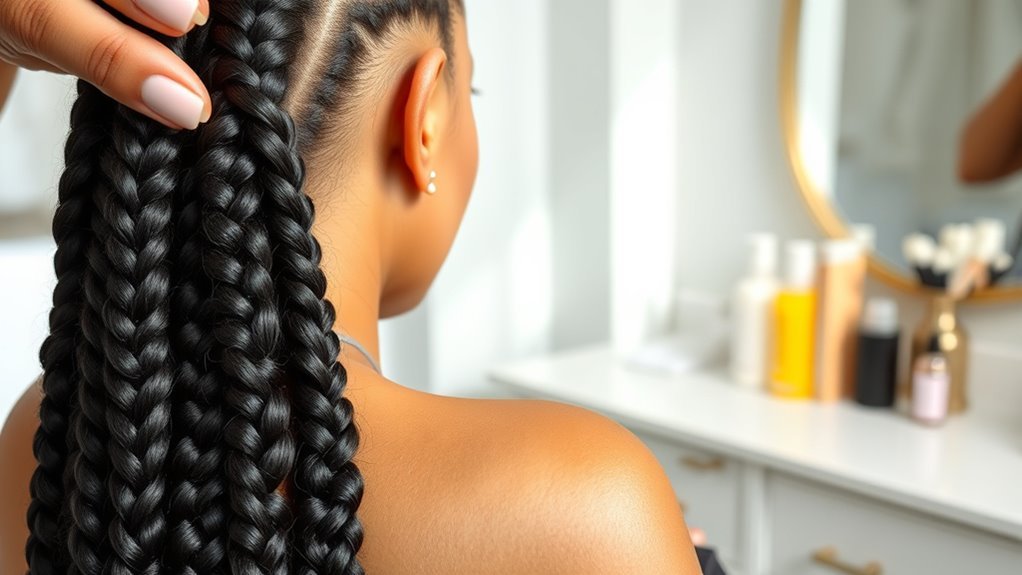
Your sew-in can last 6 to 8 weeks if you care for it well. Proper sew-in maintenance is key to keeping your style fresh and your natural hair healthy.
Gently detangle daily to prevent knots and tangles from forming.
Wash your scalp every 1 to 2 weeks with a sulfate-free shampoo to keep it clean without stripping moisture.
Keep your hair moisturized with light oils—it helps maintain softness and shine.
Always protect your hair at night with a silk bonnet to prevent breakage and preserve your style.
Avoid tight braids because they can cause tension and damage.
If you notice itching or lifting, remove your sew-in promptly to avoid further issues.
Keep these tips in mind, and you’ll find even more ways to maintain your sew-in longer and keep your hair looking great!
Key Takeaways
- Sew-in extensions typically last 6 to 8 weeks. If you use high-quality hair, they can even last up to 10 weeks.
- You should remove sew-ins if you start experiencing itching, matting, excessive shedding, or if the braids become loose.
- It’s best to use virgin or Remy hair. These options last longer and stay tangle-free compared to synthetic hair.
- Wash your sew-ins every 1-2 weeks with sulfate-free shampoo. Make sure to focus on cleaning your scalp and dry your hair thoroughly afterward.
- To protect your natural hair, apply lightweight oils regularly. Also, avoid tight braids and try sleeping with a satin bonnet to keep everything in good shape.
Typical Lifespan of Sew-In Extensions

Although the lifespan of sew-in extensions varies, you can generally expect them to last between 6 to 8 weeks with proper care. Sew-in hair extensions blend seamlessly with your natural hair, but their durability depends largely on the hair quality and how well you maintain them.
Using high-quality virgin Remy hair can extend their lifespan up to 10 weeks, giving you more time without worrying about damage or matting. Your natural hair and scalp health also play a vital role in how long the sew-in remains secure and comfortable.
To maximize longevity, avoid neglecting regular maintenance like gentle washing and moisturizing. Taking these steps helps keep both your natural hair and extensions looking fresh and healthy throughout the wear period.
Signs It’s Time to Remove Your Sew-In
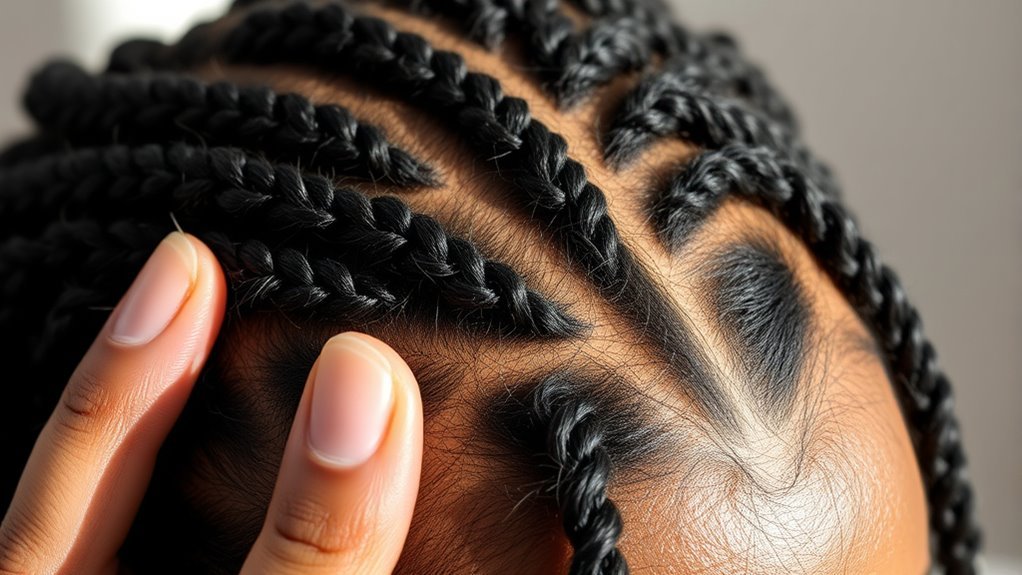
When you start experiencing persistent itching beyond two weeks, it’s a clear sign that your scalp may be irritated or there’s buildup beneath the sew-in. This usually means it’s time to remove the extensions.
Also, pay attention to signs of matting or tangling, especially if your sew-in has been in for 8-10 weeks or longer. If you notice your braids lifting or the style appearing bulky, the installation may be loosening and needs professional attention.
Excessive shedding or broken wefts are another red flag that your extensions are worn out. Plus, if you can’t keep your scalp clean or if the hair underneath feels uncomfortable or smells unpleasant, it’s definitely time to take your sew-in out.
Acting before damage occurs helps protect your natural hair and scalp health. Trust me, your hair will thank you!
Factors Influencing Sew-In Longevity
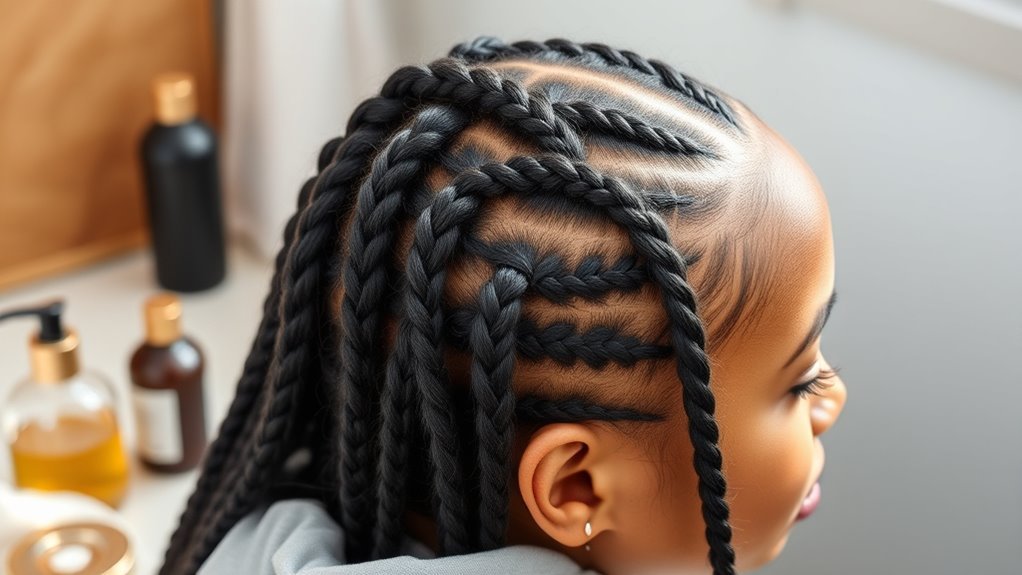
How long your sew-in lasts depends a lot on the quality of the hair you choose and how you care for it daily.
High-quality Remy hair paired with a consistent maintenance routine can keep your style looking fresh for weeks longer.
Hair Quality Impact
Since the quality of hair directly affects your sew-in’s lifespan, choosing high-quality Remy or natural virgin hair makes a big difference. Virgin hair is more durable and resists matting, while synthetic hair tends to shed and deteriorate quickly.
Hair quality impacts how well your sew-in holds up over time, so investing in unprocessed hair helps you maintain a fresh look longer.
| Hair Type | Longevity & Issues |
|---|---|
| Virgin Hair | Durable, resists matting |
| Remy Hair | Lasts longer, keeps appearance |
| Synthetic Hair | Sheds, mats, deteriorates fast |
Avoid bleached or heavily processed hair if you want your sew-in to last because it’s more fragile and prone to damage. Trust me, going for better quality hair really pays off in the long run!
Maintenance Routine Effects
Although quality hair sets the foundation, your maintenance routine plays a crucial role in how long your sew-in lasts. To keep your style fresh, practice regular gentle washing every 1-2 weeks using sulfate-free shampoo and conditioner. This helps maintain the sew-in’s appearance and prolongs its lifespan.
Proper moisturizing of your scalp and the hair underneath prevents dryness and breakage, which can shorten wear time. Avoid excessive heat styling and manipulation to reduce damage to both your natural hair and extensions.
At night, wearing silk or satin bonnets minimizes friction, preventing frizz and tangling that can compromise your style. Finally, schedule routine follow-up visits every 4-6 weeks for adjustments and maintenance, ensuring your sew-in stays healthy and lasts longer.
Daily Care Practices to Extend Sew-In Life
To keep your sew-in looking fresh and lasting longer, you should gently detangle it daily, starting from the ends to avoid pulling and breakage. Always wrap your hair with a satin bonnet at night to reduce friction and protect your style.
When it’s time to wash, wash gently using sulfate-free shampoo and a lightweight conditioner to maintain moisturizing balance. Focus on your scalp without disturbing the sew-in bonds. Avoid heavy products that can weigh hair down.
After washing, make sure your hair dries completely—either air-dry or use a hooded dryer—to prevent mildew. Incorporating these daily care practices helps maintain your sew-in’s integrity and keeps your hair healthy. This way, you can enjoy your style longer without frequent touch-ups.
Protecting Your Scalp and Natural Hair
Taking care of your sew-in goes beyond daily maintenance—it also means protecting your scalp and natural hair underneath. To keep your scalp healthy, regularly apply lightweight oils like peppermint or tea tree to maintain moisture and prevent dryness.
Gently wash your scalp every 1-2 weeks to reduce buildup and encourage healthy hair growth. Avoid excessive tension from tight braids or extensions, as this can damage your hairline and scalp over time.
When you sleep, use a satin or silk scarf or bonnet to minimize friction. This helps reduce breakage and preserves your natural hair.
Finally, make sure you remove your sew-in promptly after 6-8 weeks or at the first signs of damage. This way, you protect both your scalp and your healthy hair.
Best Washing and Moisturizing Techniques
When you wash your sew-in, choosing a sulfate-free shampoo helps cleanse your scalp and extensions gently without stripping moisture. Wash every 1-2 weeks, avoiding excessive friction to protect both your natural hair and the sew-in.
Focus conditioner on the ends to keep them soft and prevent dryness. After washing, pat your hair dry with a soft towel or use a hooded dryer on low heat—never rub aggressively.
For moisturizing, apply lightweight oils like peppermint or tea tree to your scalp; they maintain hydration without causing buildup. When your hair is damp, detangle carefully from the ends upward using a wide-tooth comb or your fingers to avoid breakage and preserve the style’s integrity.
These steps keep your sew-in fresh and healthy. It’s all about being gentle and consistent!
Professional Maintenance and Touch-Up Recommendations
Although you can care for your sew-in at home, scheduling professional maintenance every 4 to 6 weeks is essential to keep your style looking fresh and prevent damage. During these appointments, your stylist will perform a touch-up by re-securing loose tracks, trimming, and adjusting the style to accommodate your natural hair growth.
Expert care also involves evaluating scalp health and the condition of your natural hair to decide if removal or reinstallation is necessary. Professionals use gentle products to deep cleanse and moisturize your scalp, extending the sew-in’s lifespan.
Regular visits help detect issues like shedding or loosening early, preserving both your style’s integrity and your scalp health. So, prioritizing professional maintenance ensures your sew-in remains flawless and your natural hair stays protected.
Frequently Asked Questions
What Are the Downsides of Sew-In Hair Extensions?
You risk scalp tension, hair breakage, and potential hair loss if sew-ins are too tight or left too long.
Neglecting proper care can cause buildup, odor, scalp irritation, and weaken your natural hair over time.
Can I Leave My Sew in for 3 Months?
You shouldn’t leave your sew-in for 3 months because it risks damage like tangling and breakage.
Aim to remove it after 6 to 8 weeks and maintain it properly to keep your natural hair healthy.
Leaving it in too long can cause your hair to mat and become hard to manage.
How Much Do Sew Ins Usually Cost?
You’ll usually pay between $150 and $600 for sew-ins, depending on hair length, style, and salon location.
Expect higher costs for full sew-ins, premium hair, and professional installation, especially in urban areas. It really varies based on what you want and where you go.
Do Wigs or Sew-Ins Last Longer?
Wigs last longer than sew-ins because they don’t stress your scalp or braid your hair.
With proper care, you can wear wigs for months, while sew-ins usually need reinstallation every 6 to 8 weeks.
Conclusion
You might think sew-ins last forever, but they don’t—much like that “perfect” relationship you swore would never end. With proper care, they can stick around for six to eight weeks, but ignoring your scalp or skipping maintenance? That’s a fast track to disaster.
So, if you want your sew-in to outlast your last bad hair day, treat it right. Keep your scalp clean and moisturized, and don’t forget to gently wash and condition your sew-in regularly. Avoid heavy products that can weigh down your hair or cause buildup.
Remember, the secret to a long-lasting sew-in is consistent care and attention. Give your hair the respect and TLC it deserves, and you’ll enjoy gorgeous, healthy-looking sew-ins for weeks on end!