How Often Should a Sewer Line Be Cleaned – Step-by-Step Guide
You should clean your sewer line every one to two years to prevent blockages, foul odors, and costly damage. Regular sewer line cleaning is essential for maintaining a healthy plumbing system and avoiding unexpected repairs.
If you notice slow drains, sewage backups, or gurgling sounds, schedule a professional check right away. These signs often indicate that your sewer line needs attention before issues get worse.
Factors like tree roots, heavy usage, and pipe age can require more frequent cleaning. So, it’s important to tailor your sewer line maintenance based on your home’s unique conditions.
Proper preparation and choosing the right method, such as hydro jetting or snaking, ensure effective maintenance. Discover how to customize your cleaning routine for lasting sewer health and peace of mind.
Key Takeaways
- Clean residential sewer lines every 1 to 2 years. If your pipes are older or you notice frequent issues, bump that up to annual cleanings.
- For commercial properties, schedule sewer cleaning every 6 to 12 months. Restaurants, though, might need it more often—every 3 to 6 months is common.
- Always inspect and clean your sewer lines right away if you see signs like slow drains, foul odors, or backups. Don’t wait until it gets worse!
- When it comes to clearing blockages, choose between hydro jetting or mechanical snaking. The best method depends on the type of blockage, the condition of your pipes, and what your inspection reveals.
- If tree roots are creeping into your pipes or heavy usage is causing buildup, consider increasing your cleaning frequency to every 6 to 12 months. Staying ahead of problems can save you a lot of hassle.
Understanding the Importance of Sewer Line Cleaning
Although you might not think about it often, regular sewer line cleaning plays a crucial role in preventing blockages caused by debris, grease, and organic matter. By scheduling preventive maintenance, you reduce the risk of clogs that can lead to costly backups and property damage.
Regular inspections by a professional sewer service help identify early signs of trouble before they escalate. Keeping to a cleaning schedule improves your sewer system’s efficiency and extends the lifespan of your pipes.
Neglecting this upkeep can cause foul odors, slow drains, and health hazards from sewage backups. So, to maintain ideal sewer function and avoid expensive repairs, you should prioritize sewer line cleaning as an essential part of your home maintenance routine.
Factors That Influence Sewer Cleaning Frequency
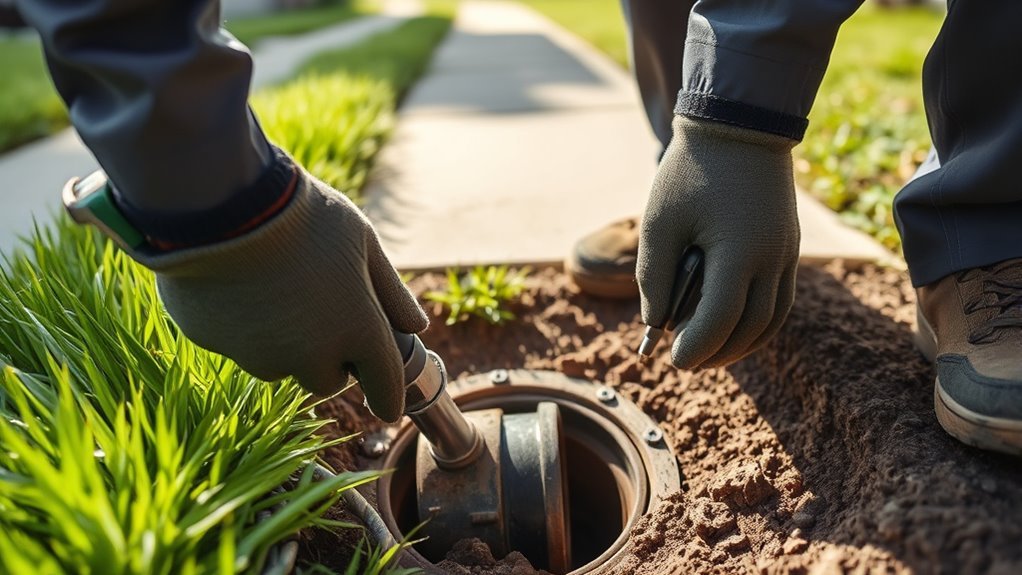
Because sewer systems vary greatly, the frequency of cleaning depends on several key factors. Your sewer line maintenance schedule hinges on pipe condition, including age and material, which affect vulnerability to buildup.
Sewer cleaning frequency depends largely on pipe condition, including age and material affecting buildup risk.
If tree root intrusion is common near your property, you might need annual or bi-annual cleanings to prevent blockages. Recurring clogs or backups signal a need to boost cleaning frequency, often every 12-18 months.
Environmental factors like soil type and local climate also play roles by influencing how fast debris and mineral deposits accumulate. Additionally, heavy usage—such as in large households—can accelerate buildup, demanding more frequent attention.
Understanding these factors helps you tailor sewer line cleaning frequency effectively, keeping your system running smoothly and avoiding costly repairs.
Typical Cleaning Intervals for Residential Sewer Lines
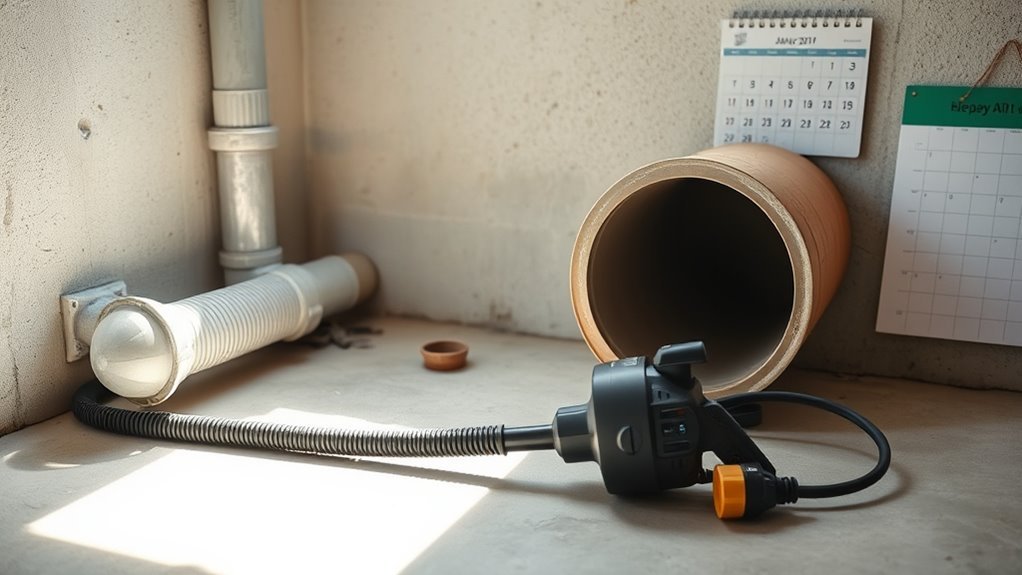
When you want to keep your sewer line functioning properly, scheduling cleanings every 1 to 2 years is a good rule of thumb for most residential properties. This regular maintenance helps prevent buildup and blockages that can disrupt your home plumbing.
If your property has older pipes or a history of frequent clogs and tree root intrusion, you might need sewer line cleaning annually. High-usage households benefit from scheduled cleaning every 12 months to ensure clog prevention.
Paying attention to signs like slow drains or foul odors can also signal when to call a professional service sooner. Staying on top of these intervals keeps your sewer line clear and your plumbing running smoothly without unexpected issues.
Sewer Cleaning Needs for Commercial Properties
Residential sewer lines usually need cleaning every 1 to 2 years, but commercial properties demand a more frequent schedule due to higher usage and waste volume.
For most commercial properties, sewer line cleaning should occur every 6 to 12 months. Some, like restaurants, require cleaning every 3 to 6 months because of grease buildup.
You should establish a cleaning schedule tailored to your industry’s waste types and volume. Regular inspections and hydro jetting play a vital role in backup prevention and maintaining compliance with health and safety standards.
Also, factors like tree roots or aging pipes can increase how often you need cleaning. By staying proactive with sewer line cleaning and inspections, you’ll minimize costly disruptions and keep your commercial property’s plumbing running smoothly.
Signs Your Sewer Line Requires Immediate Cleaning
You’ll know your sewer line needs immediate cleaning if you notice slow drains across multiple fixtures or foul odors coming from your drains.
Gurgling noises, visible water pooling, and recurring clogs are also urgent warning signs you shouldn’t ignore.
Acting quickly can prevent costly damage and more serious blockages. So, if you see any of these signs, it’s best to address them right away.
Warning Signs Overview
Although sewer line issues can start subtly, recognizing the warning signs early helps you avoid costly damage. Paying attention to these signals lets you schedule professional cleaning before problems escalate.
Watch for these key warning signs:
- Persistent slow drains across multiple fixtures, often pointing to a sewer line blockage.
- Foul odors coming from drains that don’t go away after cleaning, signaling deeper sewer issues.
- Sewage backups inside your home, such as overflowing toilets or floor drains, requiring immediate action.
- Gurgling noises from toilets or drains during use, indicating trapped air and possible blockages.
If you notice any of these signs, don’t delay. Addressing sewer line problems promptly can save you from expensive repairs and health hazards.
Urgent Cleaning Indicators
How can you tell when your sewer line needs immediate cleaning? Persistent foul odors or a sewer backup in your home are clear clog indicators demanding urgent cleaning.
If you notice slow drainage from multiple fixtures or hear gurgling sounds, don’t wait—these often signal a severe blockage. Water or sewage backing up into your basement or lowest drains is a major warning sign that requires prompt action.
Check your cleanout access for sudden water pooling or debris, as these signs mean an inspection and cleaning can’t be delayed. Recurring clogs despite recent cleanings suggest deeper issues like root intrusion or pipe damage.
Acting quickly on these urgent cleaning indicators helps prevent costly repairs and extensive damage to your sewer system. So, if you see any of these signs, it’s best to call a professional right away.
Role of Sewer Inspections in Maintenance Scheduling
You should schedule sewer inspections every 1 to 2 years, depending on your pipe’s age and history. These inspections help spot issues like buildup or damage early, so you can plan cleaning or repairs before problems escalate.
Knowing the benefits of regular inspections will help you keep your sewer system in top shape and avoid costly emergencies. It’s a smart way to stay ahead of trouble and save money in the long run.
Inspection Frequency Guidelines
Since sewer inspections reveal early signs of buildup or damage, scheduling them regularly—typically every one to two years—helps you stay ahead of costly repairs.
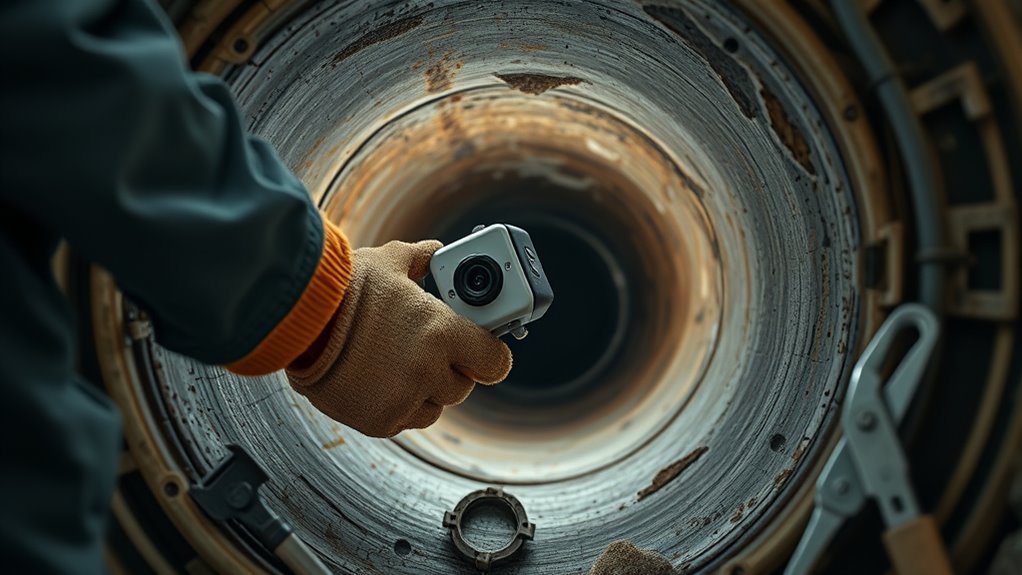
Using a video camera, professionals can spot blockages, root intrusions, or pipe damage that aren’t visible from the surface.
Adjust your inspection frequency based on your system’s history and conditions. Consider:
- Increasing inspections if you’ve faced frequent clogs or root problems
- Scheduling after severe weather or nearby construction
- Prioritizing homes with aging or vulnerable piping materials
- Using inspection findings to guide timely maintenance and prevent major issues
Identifying Inspection Benefits
Regular sewer inspections do more than just spot problems early; they play a key role in shaping your maintenance schedule. Through professional camera assessments, you can identify early signs of blockages, pipe deterioration, or cracks that might not be visible from the surface.
This inspection data helps you set maintenance intervals tailored specifically to your sewer system’s condition. By catching issues like root intrusion or buildup early, you avoid costly repairs and unexpected backups.
Inspections are especially important after major weather events or nearby construction, as these can accelerate deterioration. Using these insights, you can decide whether routine cleaning suffices or if targeted repairs are necessary.
This way, you ensure your sewer line functions smoothly and efficiently over time.
The Impact of Tree Roots on Sewer Line Cleaning Frequency
Although tree roots naturally seek moisture and nutrients, they can wreak havoc on your sewer lines by infiltrating small cracks or joints. This root intrusion often leads to blockages and pipe damage, making sewer line cleaning essential.
If you have large trees within 20 feet of your sewer, expect more frequent maintenance. To keep your system flowing smoothly, consider these points:
- Tree roots grow faster in moist pipes with organic buildup, increasing clog risks.
- Properties near mature trees usually need root pruning and cleaning annually.
- Professional inspections every 6 to 12 months help catch root issues early.
- Ignoring root intrusion can cause slow drains, backups, and even pipe collapse.
Regularly addressing tree roots will reduce costly repairs and keep your sewer line in good shape. It’s definitely worth staying on top of it!
Benefits of Regular Professional Sewer Cleaning
When you schedule professional sewer cleaning every one to two years, you substantially lower the chances of major blockages and costly repairs. Regular sewer cleaning ensures your sewer system maintenance keeps pipes clear, preventing foul odors and backups that disrupt your property’s comfort.
Preventive sewer line cleaning through scheduled sewer cleanings not only maintains prime flow but also extends your sewer system’s lifespan. Professionals use expert methods like hydro jetting to remove stubborn buildup, delivering long-lasting sewer results you can rely on.
Consistent professional sewer cleaning also boosts your property’s value by showing buyers you’ve cared for your plumbing infrastructure. By committing to routine cleaning, you protect your investment and avoid emergency repairs, making sewer maintenance both practical and cost-effective over time.
How to Choose the Right Sewer Cleaning Method
You’ll want to understand the main cleaning techniques, like hydro jetting and mechanical snaking, before making a choice.
Consider factors such as the type of blockage, pipe material, and severity to pick the best method.
Using camera inspections can help pinpoint the problem and guide your decision.
Cleaning Techniques Overview
Since sewer cleaning methods vary in effectiveness depending on the situation, choosing the right technique requires understanding your pipe’s condition and blockage type. Start with a camera inspection to pinpoint the blockage location and severity.
Then, select from proven cleaning techniques based on your sewer pipes’ needs:
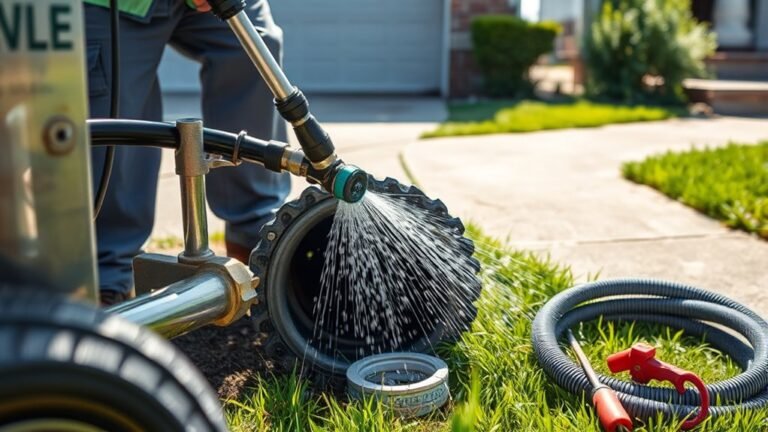
- Hydro jetting blasts away grease, scale, and debris with high-pressure water, offering a thorough clean.
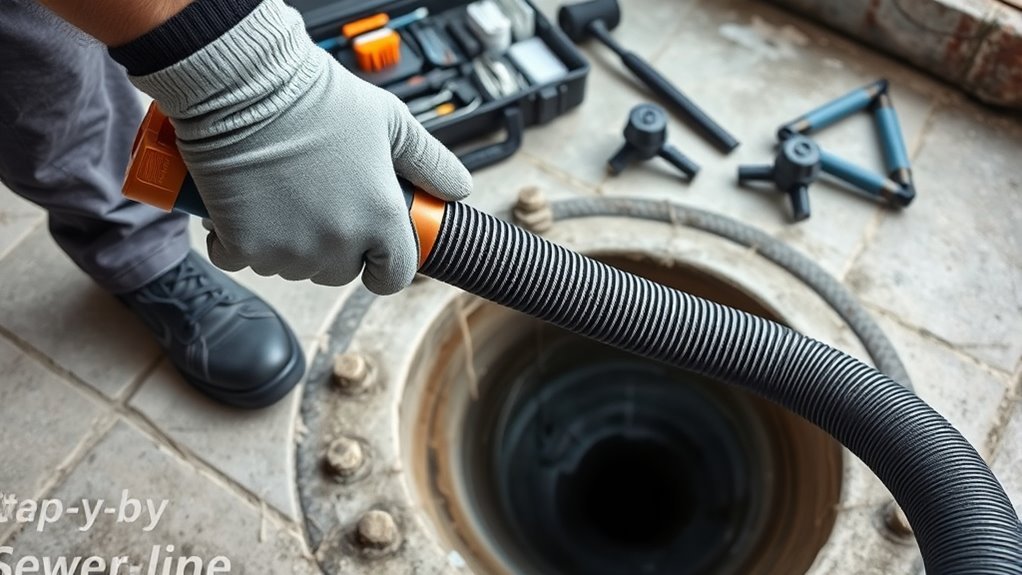
- Mechanical snaking uses a flexible auger to break up blockages but may leave residue on pipe walls.
- Avoid chemical cleaners as they can damage pipes and often don’t fully clear blockages.
- Consider pipe material and access points to ensure the chosen method suits your system.
Method Selection Factors
Although choosing the right sewer cleaning method can seem complex, understanding key factors like blockage type, pipe condition, and accessibility will guide your decision.
For a sewer line with minor clogs caused by organic matter, a snake often works well for clog removal. However, if you’re dealing with grease buildup or stubborn debris, hydro jetting is more effective.
Before deciding, get a camera inspection to assess pipe condition—corrosion or root intrusion may require gentler or specialized approaches. Also, consider the sewer line’s length and accessibility; hard-to-reach pipes might need manual methods or special equipment.
Finally, factor in your pipes’ age and material, since older or fragile pipes could be damaged by aggressive cleaning methods. Balancing these factors helps you choose the safest and most efficient cleaning method.
Preparing Your Property for Sewer Line Cleaning
A well-prepared property makes sewer line cleaning faster and safer. Before the technician arrives, focus on clearing the area around the sewer cleanout and other access points. This guarantees easy entry and smooth operation.
Also, locate your main water shut-off valve and inform the plumber to prevent unwanted water flow during cleaning. To avoid delays, remove obstacles or furniture near the work area.
Finally, keep pets and children away for safety and schedule the cleaning when household water use is minimal to improve efficiency.
Here’s a quick prep checklist:
- Clear sewer cleanout and access points
- Identify and communicate main water shut-off location
- Remove obstacles from the work area
- Minimize household water use during cleaning
Frequently Asked Questions
How Often Do You Need to Replace Sewer Lines?
You typically need to replace sewer lines every 50 to 100 years, depending on materials and soil.
If you notice corrosion, root intrusion, or damage, address it sooner to avoid costly repairs or replacements later.
It’s always better to catch these issues early, so keep an eye out for any signs of trouble.
Can I Do Hydro Jetting Myself?
You shouldn’t do hydro jetting yourself because it requires specialized equipment and expertise. Using improper pressure or techniques can damage your pipes.
It’s safer and more effective to hire a licensed plumber for this job. They know exactly how to handle it without causing any harm.
What Is the 135 Rule in Plumbing?
You might not realize it, but the 135 rule in plumbing tells you to inspect and clean your sewer line every 1 to 3 years.
It helps you avoid costly damage by factoring in pipe age, roots, and clogs.
Keeping an eye on these things can save you a lot of trouble down the line.
Will Drano Unclog the Main Sewer Line?
No, Drano won’t effectively unclog your main sewer line and could damage your pipes.
Instead, you should call a licensed plumber who can safely clear serious blockages using professional tools and techniques.
It’s really the best way to avoid making the problem worse. Trust me, trying to fix a main sewer line clog yourself rarely ends well!
Conclusion
Think of your sewer line like the hidden roots of a mighty tree—out of sight but essential for health and growth. Just as roots need care to keep the tree thriving, your sewer line demands regular cleaning to prevent blockages and damage.
By staying attentive to signs and scheduling timely maintenance, you’re nurturing the foundation of your home or business. This helps ensure everything flows smoothly beneath the surface.
Don’t wait—tend to your underground roots today. Regular sewer line cleaning is key to avoiding costly repairs and unpleasant backups. Keeping up with maintenance not only protects your property but also promotes a healthy plumbing system overall. Remember, a clean sewer line means peace of mind and a smoothly functioning home or business.