10 Simple Tips to Lower Your Sewer Bill
To lower your sewer bill, start by fixing hidden leaks like dripping faucets or faulty toilets. These little leaks can waste gallons of water every single day, adding up quickly on your bill.
Next, adopt simple water-saving habits. Try reducing your shower time and only run dishwashers and washing machines when they’re full. These easy changes can make a big difference.
Upgrading to efficient appliances is another smart move.
Plus, think about installing a smart irrigation system for your yard to avoid unnecessary water waste.
Make it a habit to monitor your water usage regularly—it helps you catch problems early.
And don’t forget to check if your local utility offers rebates for water-efficient upgrades.
Want to discover even more ways to save? There’s plenty more to explore!
Key Takeaways
– Fix leaks promptly, as silent toilet leaks and dripping faucets can significantly increase your water usage and sewer bill.
It’s easy to overlook these small issues, but they add up fast!
– Implement water-saving habits, like reducing shower times and running full loads in dishwashers and washing machines.
These simple changes can really make a difference in your monthly bill.
– Upgrade to efficient appliances, such as ENERGY STAR-rated washers and low-flow toilets, to save water and reduce sewage charges.
Investing in these might cost a bit upfront, but you’ll save money over time.
– Optimize your yard’s watering practices by using native plants and efficient irrigation systems to minimize water consumption.
Native plants usually need less water, so your garden stays green without wasting water.
– Monitor your water usage with smart water monitors to quickly identify and address unusual consumption patterns.
These gadgets help you catch leaks or spikes early, saving you from surprise charges.
Identify and Fix Hidden Leaks to Avoid Skyrocketing Bills
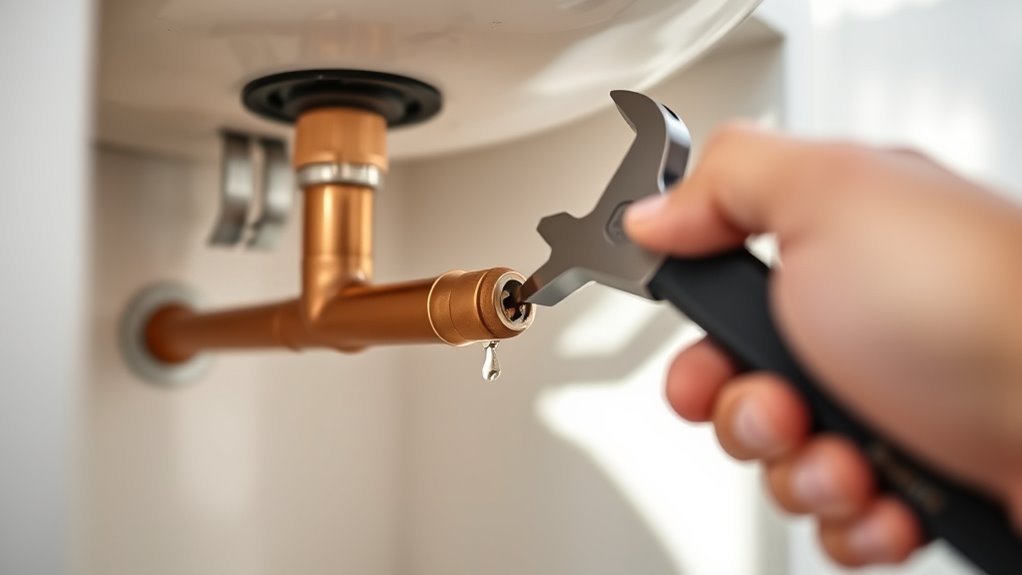
To avoid skyrocketing sewer bills, you need to identify and fix hidden leaks throughout your home. Silent toilet leaks can waste up to 200 gallons of water daily, so regularly check the flapper valve using a food coloring test.
Identify and fix hidden leaks to prevent soaring sewer bills—silent toilet leaks can waste up to 200 gallons daily!
Don’t overlook dripping faucets; they can waste around 3,000 gallons annually, really inflating your water bill. It’s easy to miss those little drips, but they add up fast.
Inspect outdoor spigots and garden hoses, as even small leaks can add up over time. You should also check appliances like washing machines for broken hoses that can lead to significant water loss.
Finally, conduct routine checks on your irrigation system. Broken sprinkler heads or underground leaks can seriously escalate your water usage and, ultimately, your sewer charges.
Fixing these leaks will help you reduce water and costs. It’s worth the effort to keep those bills under control!
Implement Water-Saving Habits at Home
Adopting water-saving habits at home can greatly reduce your sewer bills while conserving this precious resource. Start by cutting your shower time by just two minutes; it can save over 7,000 gallons of water annually for a family of four.
Always run dishwashers and washing machines with full loads to maximize efficiency and minimize costs. It’s a simple step that makes a big difference.
Consider installing low-flow showerheads, which can cut water usage from 2.5 gallons per minute to 2.0 gallons or less. This change leads to significant savings over time.
Don’t forget to regularly check for leaks, like a running toilet. Believe it or not, that can waste up to 200 gallons daily.
Finally, think about implementing drought-tolerant landscaping. It’s a smart way to reduce overall water consumption and lower your sewer charges too.
Use Efficient Appliances to Lower Your Sewer Bill
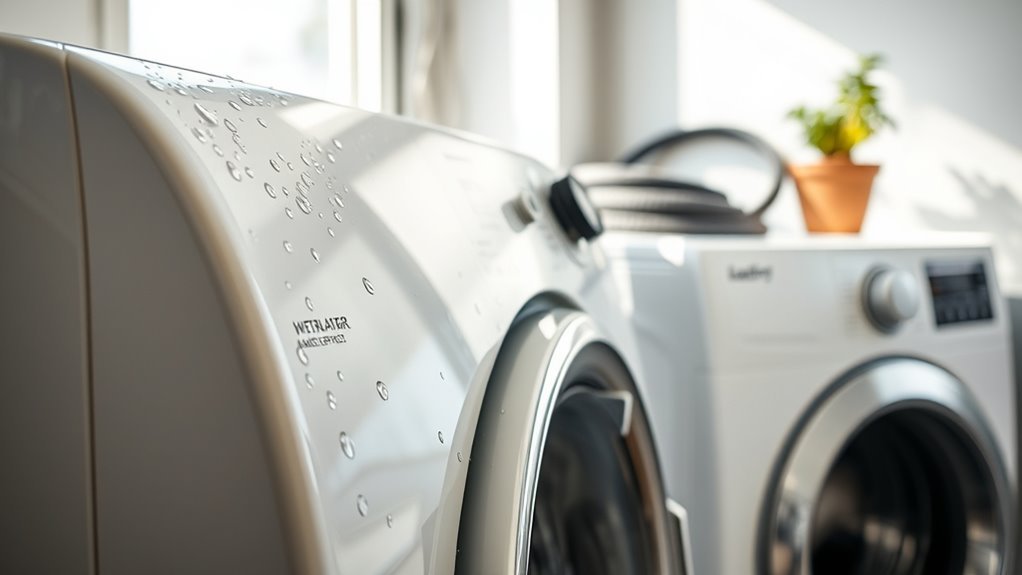
Upgrading to efficient appliances can make a big difference in your water usage and sewer bill. By choosing models with water-saving features, like ENERGY STAR-rated washers and high-efficiency toilets, you’ll see significant reductions in both.
Smart choices today lead to lower costs tomorrow. So, it’s definitely worth thinking about how these upgrades can benefit your wallet.
Efficient Appliance Selection
Have you ever thought about how much your appliances affect your sewer bill? Choosing efficient appliances can really make a big difference.
For example, ENERGY STAR-rated washers use only about 14 gallons per load, compared to 20 gallons for standard models. This helps lower your water usage and, in turn, your sewer costs.
Installing low-flow toilets can save around 16,000 gallons annually. That directly cuts down your sewage charges.
Efficient dishwashers use just 3.5 gallons per cycle instead of 6. This leads to noticeable savings on both your water and sewer bills.
Upgrading to water-efficient showerheads that use less than 2.0 gallons per minute also helps reduce overall water usage. Plus, regular maintenance on these appliances not only boosts their efficiency but might also qualify you for rebates.
Water-Saving Features
When you choose water-saving features for your home, you not only conserve water but can also considerably lower your sewer bill. Upgrading to high-efficiency toilets can make a big difference; they use only 1.28 gallons per flush compared to older models that waste up to 6 gallons.
Installing low-flow showerheads, which restrict water flow to 2.0 gallons per minute or less, is another smart move. Additionally, consider Energy Star-rated washing machines that use about 14 gallons per load, reducing the water entering the sewer system.
Regular maintenance and replacing outdated appliances, like dishwashers, can save even more water. These upgrades lead to long-term savings, helping you keep your sewer costs in check.
Make Your Yard Water-Friendly for Conservation
To make your yard more water-friendly, start by choosing native plants that thrive in your climate and need less water. Efficient irrigation practices, like drip systems, can also help you conserve water while keeping your landscape vibrant.
These changes not only benefit the environment but can also lower your sewer bill considerably. It’s a win-win for your wallet and the planet!
Native Plant Selection
How can you make your yard both beautiful and water-efficient? By selecting native plants! These drought-tolerant species are perfectly adapted to your local climate, so they need less water to thrive.
This not only helps reduce the water you use but can also lower your sewer bill considerably. Native plants boost soil health and decrease runoff, which benefits both your garden and your community.
| Native Plants | Benefits |
|---|---|
| Coneflower | Attracts pollinators |
| Black-eyed Susan | Drought-tolerant and vibrant |
| Switchgrass | Erosion control and habitat |
| Bluebell | Low maintenance and beautiful bloom |
Adding these plants to your yard can even qualify you for local rebates. So, making your garden sustainable can be rewarding for you and the environment!
Efficient Irrigation Practices
Efficient irrigation practices not only keep your yard looking vibrant but also help you save water and lower your sewer bill. Water your lawn early in the morning or late in the evening to minimize evaporation. This way, more water reaches the roots.
Consider implementing a rainwater harvesting system to conserve tap water and provide sustainable irrigation. It’s a smart way to make the most of natural resources. Plus, using mulch in garden beds helps retain moisture and cuts down on how often you need to water.
Drought-resistant plants are another great option. They can greatly reduce your irrigation needs and still keep your garden looking beautiful. Finally, make sure to regularly check and adjust your irrigation systems. Well-timed watering can save thousands of gallons annually, which directly impacts your sewer costs.
Monitor Water Usage With Smart Technology
As you seek to lower your sewer bill, monitoring your water usage with smart technology can make a significant difference. Smart water monitors track daily water usage in real-time, helping you quickly identify spikes that may indicate leaks or inefficiencies.
With alerts for unusual consumption patterns, you can investigate issues promptly, leading to potential savings. Many smart devices provide insights into your household’s average water consumption, allowing better budgeting and conservation efforts.
Seasonally Adjust Your Irrigation Schedule
To lower your sewer bill, adjust your irrigation schedule according to seasonal changes. Water early in the morning or late in the evening to minimize evaporation and maximize absorption.
Keep an eye on rainfall patterns to avoid unnecessary watering. This way, you can further reduce your water usage and save even more.
Optimize Watering Times
Many homeowners overlook the importance of optimizing their watering times, but adjusting your irrigation schedule can make a significant difference in your water use. Watering early in the morning or late in the evening minimizes evaporation, potentially saving you thousands of gallons each month.
By keeping an eye on local weather forecasts, you can skip watering after rainfall, saving over 500 gallons monthly. It’s a simple way to avoid wasting water unnecessarily.
Consider implementing a smart irrigation system, which can optimize watering times and cut outdoor water use by up to 30% while keeping your landscape healthy. Plus, using mulch around plants helps retain soil moisture, reducing the need for frequent watering.
These simple steps can truly help you save the most water and lower your sewer bill. It’s all about making smart choices that benefit both your wallet and the environment.
Adjust for Seasonal Changes
Adjusting your irrigation schedule for seasonal changes can greatly reduce water waste and lower your sewer bill. By monitoring local weather forecasts, you can skip watering on rainy days to prevent unnecessary water usage.
Water early in the morning or late in the evening to minimize evaporation losses. Consider implementing a smart irrigation system that automatically adjusts based on rainfall and humidity, potentially cutting your water consumption by up to 30%.
Additionally, using mulch in your garden helps retain soil moisture, decreasing the frequency of watering.
| Season | Watering Frequency | Best Time to Water |
|---|---|---|
| Spring | 2 times/week | Morning |
| Summer | 3 times/week | Evening |
| Fall | 1-2 times/week | Morning |
| Winter | As needed | Anytime |
| Rainy Season | Skip watering | N/A |
Monitor Rainfall Patterns
Monitoring rainfall patterns is key to optimizing your irrigation schedule and minimizing water waste. By keeping an eye on local precipitation, you can adjust your irrigation to avoid overwatering. Overwatering often leads to higher sewer bills because of increased sewage charges.
During rainy seasons, consider reducing or even eliminating irrigation to prevent runoff that can overload the sewer system. A simple rain gauge can help you monitor rainfall and tweak your watering schedule accordingly. This way, you save both water and sewer costs.
If you want to take it a step further, installing a smart irrigation system can automate these adjustments based on rainfall data. It ensures you use water wisely and keep your sewer fees in check. Pretty handy, right?
Be Mindful of Outdoor Watering Practices
When it comes to conserving water and lowering your sewer bill, being mindful of your outdoor watering practices can make a big difference. Start by watering your lawn early in the morning or late in the evening to minimize evaporation.
Using mulch in your garden beds helps retain soil moisture, so you won’t need to water as often. Consider opting for drought-resistant plants, which thrive with less water.
Using mulch in your garden beds retains moisture, while drought-resistant plants thrive with minimal watering.
Adjust your sprinkler system to avoid watering sidewalks and driveways, preventing unnecessary waste. Finally, keep an eye on local weather forecasts; if rain is on the way, skip watering.
These simple, water-saving adjustments can greatly impact your sewer bill, keeping your outdoor spigots working efficiently. It’s all about small changes that add up!
Schedule Regular Plumbing Inspections to Catch Issues Early
Maintaining your outdoor water practices is just one part of managing your sewer bill. Another essential step is to schedule regular plumbing inspections.
These inspections help identify hidden leaks or deteriorating pipes before they lead to costly repairs and higher sewer bills. Here are some benefits:
- Catch Issues Early: Identify problems like tree root intrusion that can block pipes.
- Extend Lifespan: Regular maintenance keeps your plumbing system in good shape.
- Save Money: Avoid major plumbing failures that increase usage fees.
- Professional Insight: Experts can spot issues you might miss.
Explore Local Utility Rebates for Water-Saving Upgrades
Exploring local utility rebates for water-saving upgrades can be a smart move to lower your sewer bill and enhance your home’s efficiency. Many local utilities offer rebates for water-efficient appliances, ranging from $50 to $200 for items like toilets and smart irrigation systems.
WaterSense-labeled fixtures, which use at least 20% less water than standard models, may qualify for even more incentives. By participating in these rebate programs, you could save up to 16,000 gallons annually with high-efficiency toilets, translating into significant savings.
Don’t forget to check in regularly with your local utilities for updated rebate offerings and eligibility requirements for water-saving installations. That way, you can make sure you’re maximizing your financial assistance opportunities for sustainable upgrades.
Educate Your Household on Effective Water Conservation Techniques
Educating your household on effective water conservation techniques can make a significant difference in your sewer bill. Here are some key practices to help reduce water usage:
- Fix Leaks Promptly: Teach everyone to report leaks. A dripping faucet can waste up to 3,000 gallons annually.
- Shorten Showers: Encourage family members to cut shower times by two minutes. This can save over 7,000 gallons a year for a family of four.
- Turn Off Taps: Remind everyone to turn off the tap while brushing teeth. This helps prevent unnecessary water waste.
- Full Loads Only: Run dishwashers and washing machines only when full. It maximizes efficiency and minimizes water use.
Frequently Asked Questions
Why Is My Sewer Bill 100 Dollars?
Your sewer bill’s $100 likely reflects your water usage, as municipalities often charge based on that. Seasonal patterns, fixed fees, and plumbing inefficiencies can also contribute.
What Is the Best Way to Reduce Water Usage?
You might think cutting water usage is tough, but it’s easier than you think!
Start by fixing leaks, using low-flow fixtures, and running full loads in machines.
These simple steps can make a big difference.
What Runs up Your Water Bill the Most?
Your water bill usually spikes due to high consumption from leaks, increased household activities, and outdoor watering.
Check for hidden leaks, limit outdoor use, and be mindful of daily water habits to manage costs effectively.
It’s easier than you think to keep things in check once you know where to look. Just a few small changes can make a big difference!
How Much Is an Average Sewer Bill?
Your average sewer bill can feel like a tiny fortune, typically ranging from $30 to $100 monthly.
If you’re using more water, your bill might skyrocket, leaving you questioning your plumbing habits!
Conclusion
By following these tips, you can keep your sewer bill from ballooning like a hot air balloon on a sunny day. Remember, small changes can lead to significant savings.
Whether it’s fixing leaks or using efficient appliances, every effort counts. So, gather your household and start implementing these water-saving habits today.
You’ll not only save money but also help preserve our precious water resources for future generations—because nobody wants to be the one to let the good stuff go down the drain! Lowering your sewer bill is easier than you think when you make simple adjustments to your daily routine. From checking for leaks to being mindful of water use, these practical steps add up to real savings. Start today and watch your sewer bill shrink while doing your part to conserve water and protect the environment.