Do You Need a Sewer Inspection When Buying a House?
Yes, you should get a sewer inspection when buying a house. It helps uncover hidden problems like root intrusion, cracks, or blockages that could lead to costly repairs down the line. These issues aren’t always obvious during a regular home inspection.
Skipping this step can lead to expensive surprises, property damage, and even health hazards. Plus, having a sewer inspection report strengthens your position to negotiate repairs or price reductions with the seller.
Even new homes aren’t immune to underground problems. Sewer inspections can catch these early, saving you money and stress before finalizing your purchase.
So, don’t overlook this simple but important check when buying a house!
Key Takeaways
- A sewer inspection detects hidden issues like root intrusion, cracks, and blockages. These problems can lead to costly repairs after you buy the house.
- It also provides visual evidence you can use to negotiate repairs or price reductions before you finalize the sale. That way, you’re not caught off guard later.
- Skipping the inspection is risky. You might face unexpected sewer backups, property damage, and expensive fixes that could easily top $10,000.
- Even new homes benefit from a sewer inspection. It can reveal construction defects like crushed pipes or improper slopes that might cause trouble down the line.
- Overall, a sewer inspection boosts your confidence as a buyer. It helps you make informed decisions during the home buying process.
What Is a Sewer Inspection and How Is It Performed?
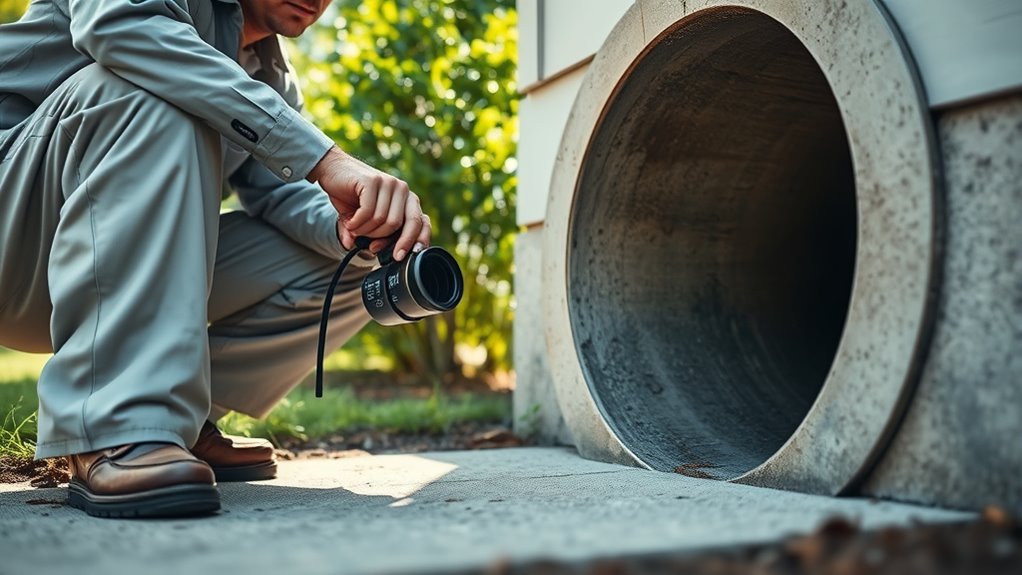
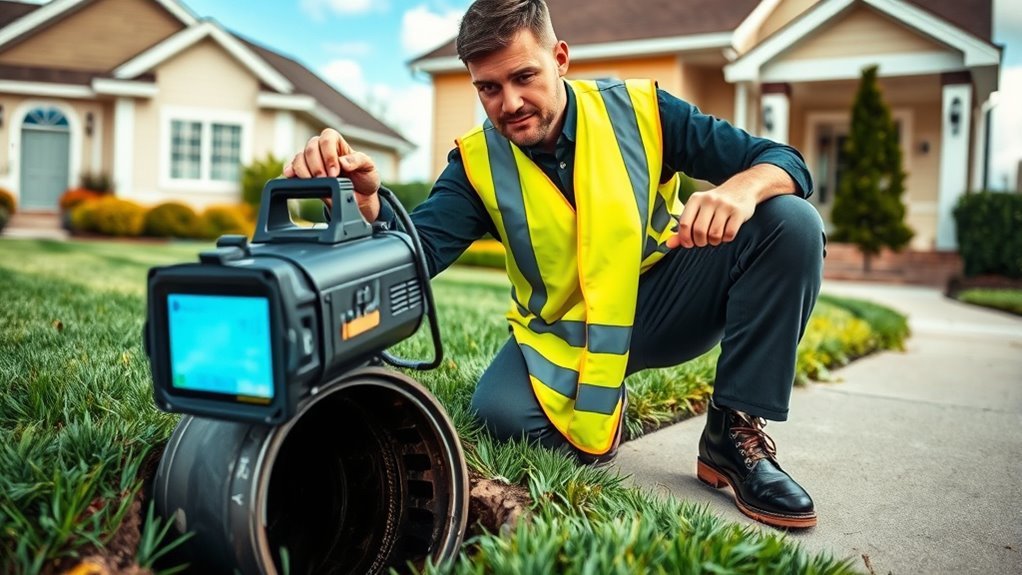
Wondering how a sewer inspection works? During a sewer inspection, a specialized camera is inserted through a cleanout access point to explore the sewer line. This camera sends real-time video to the inspector, allowing you to see the pipe condition clearly.
You’ll be able to spot issues like root intrusion, misalignments, cracks, or any damage inside the pipes without any digging or invasive work. The whole process usually takes 30 to 60 minutes and is non-destructive.
Inspectors record the footage and provide a detailed digital report, including images or clips, so you can review the sewer’s current state. This precise method helps you catch potential problems early and make informed decisions about repairs or purchases.
Why Sewer Inspections Are Essential for Older Homes
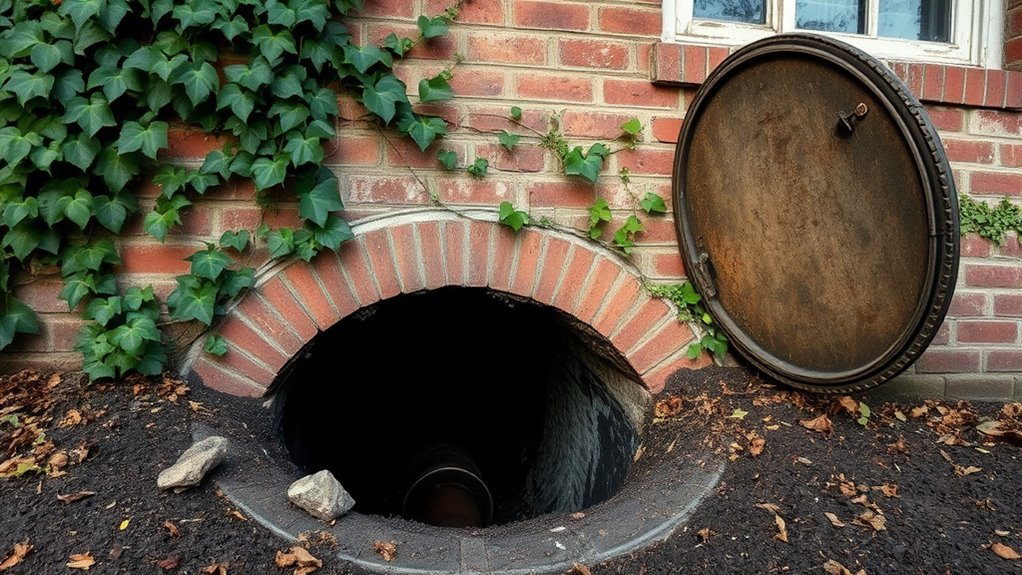
Because older homes often have sewer lines made from materials like clay, cast iron, or Orangeburg that deteriorate over time, you need a sewer inspection to uncover hidden issues. A sewer scope inspection uses a camera inspection to reveal sewer line issues that municipal checks often miss.
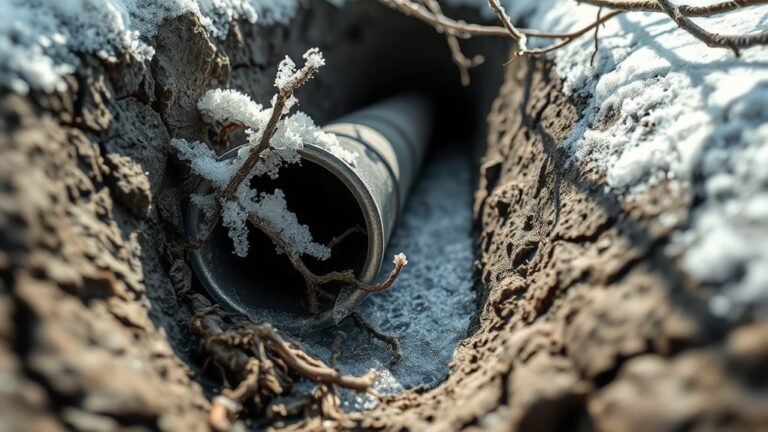
With aging pipes, you risk pipe deterioration, damaged sewer line sections, and tree roots intruding into cracks, causing blockages or collapses. These problems can lead to costly repairs and significant property damage if left unnoticed.
Common Sewer Line Problems Detected During Inspections
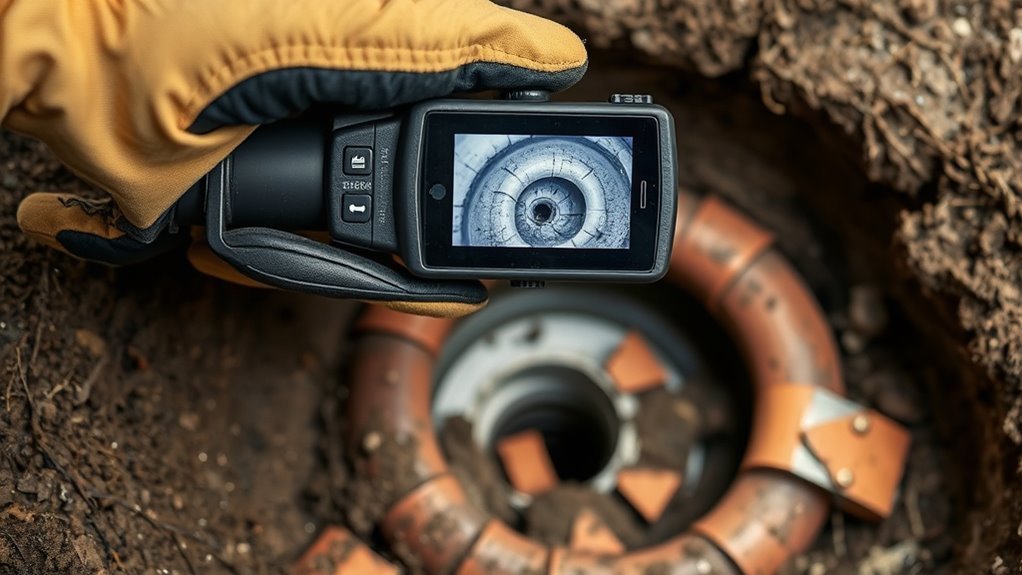
Although sewer problems can vary widely, inspections commonly uncover issues like root intrusions, pipe cracks, and blockages that affect your home’s drainage and structural integrity.
Sewer inspections often reveal root intrusions, pipe cracks, and blockages impacting drainage and home stability.
When you schedule a sewer line inspection, you might find root intrusion from nearby trees causing severe blockages and pipe damage.
You could also discover cracks, breaks, or collapse in aging pipes, especially those made from deteriorating materials like clay or cast iron.
Blockages from grease, debris, or material deterioration might be slowing down drains and risking backups.
These common sewer line problems can lead to costly repairs if unnoticed.
Understanding what an inspection reveals helps you negotiate repairs or decide if the home’s sewer system requires immediate attention.
This way, you protect your investment and enjoy peace of mind.
Benefits of Conducting a Sewer Inspection Before Buying
When you conduct a sewer inspection before buying, you catch hidden problems early, like cracks or blockages. This gives you a chance to negotiate repairs or price reductions, potentially saving thousands.
Taking this step also reduces the risk of costly surprises after closing. It really puts you in a stronger position.
Early Problem Detection
If you want to avoid costly repairs after closing, getting a sewer inspection before buying is a smart move. Using a sewer scope during the inspection period helps with early detection of hidden damage like pipe cracks, blockages, or root intrusions that standard home inspections might miss.
Catching these issues early can prevent costly repairs and unexpected backups after your home purchase.
The inspection helps you:
- Identify pipe damage before it worsens
- Negotiate repairs or price adjustments with the seller
- Avoid health hazards and overflows
Cost Savings Potential
Because sewer inspections can uncover hidden problems like root intrusion or cracked pipes early, you can save thousands of dollars by addressing these issues before closing. The sewer scope cost is typically around $200, a small price compared to potential repair costs exceeding $10,000 if problems go unnoticed.
This early detection through a sewer inspection can save you from emergency repairs that disrupt your move-in plans and add unexpected expenses. Including a sewer scope as part of your home inspection ensures you thoroughly evaluate the property’s sewer system.
Spotting hidden sewer issues allows you to plan repairs ahead or negotiate repairs with the seller, preventing costly surprises after purchase. Ultimately, investing in a sewer inspection protects your wallet and gives you peace of mind about the property’s sewer condition.
Negotiation Leverage
Saving money through early detection is just one advantage of a sewer inspection; it also gives you powerful negotiation leverage. When you conduct a sewer scope before a home purchase, you gain a detailed inspection report that documents the property condition, especially the sewer lines.
This information lets you negotiate confidently, using clear evidence to back up repair requests or price adjustments. Here’s how a sewer inspection boosts your negotiation leverage:
- Provides documented proof of sewer issues, strengthening your position when negotiating repairs.
- Highlights potential repair costs upfront, allowing you to request price reductions or contingencies.
- Demonstrates due diligence and transparency, encouraging fair negotiations with the seller.
With this knowledge, you avoid surprises and secure better terms during your home purchase. It’s a smart move that puts you in control and helps you get the best deal possible.
Risks of Skipping a Sewer Inspection in the Home Buying Process
When you skip a sewer inspection, you risk facing costly repairs that can easily exceed $10,000 down the line. Hidden sewer problems like tree root intrusion, cracks, or blockages often go unnoticed during standard home buying inspections.
This oversight can lead to sewer line deterioration, causing backups and significant property damage. Ignoring sewer inspection increases your inspection risks and may result in unexpected expenses after closing, impacting both your finances and safety.
| Risk | Potential Impact |
|---|---|
| Hidden Sewer Problems | Costly repairs, property damage |
| Sewer Line Deterioration | Sewage backups, health hazards |
| No Inspection | Loss of negotiation leverage |
Don’t let these issues surprise you—get a sewer inspection to protect your investment. It’s a small step that can save you a lot of trouble later on.
Sewer Inspection Considerations for New Construction Homes
Even though new construction homes look pristine, their sewer lines can suffer from issues like crushed pipes, debris buildup, or improper slopes that municipal inspections often miss.
New homes may appear flawless, but hidden sewer line problems often go unnoticed during municipal inspections.
When buying new construction homes, a sewer line inspection is necessary to uncover hidden problems in the underground sewer system.
A thorough sewer scope can reveal:
- Compromised sewer pipes caused by heavy equipment or rushed work
- Pipe misalignment creating blockages or leaks
- Debris or incomplete connections affecting flow
Municipal inspections mainly check code compliance and won’t detect these internal issues.
Conducting a sewer scope during late-stage construction guarantees problems get fixed before final grading and landscaping.
Don’t overlook this step; it protects you from costly repairs and confirms your sewer system’s integrity before closing.
How Sewer Inspections Can Influence Home Purchase Negotiations
A sewer inspection not only uncovers hidden issues but also gives you a powerful tool during purchase negotiations. When you conduct a sewer inspection in a home purchase, the inspection findings provide documented proof of the property’s condition.
If the sewer lines show damage, you can use video footage from the inspection to support repair requests or ask for price reductions. This evidence really strengthens your position in seller negotiations, allowing you to push for necessary fixes before closing.
In some cases, significant sewer problems could even give you leverage to renegotiate terms or walk away. By addressing sewer issues early, you avoid costly surprises later.
Choosing a Trusted Professional for Sewer Inspection Services
Since sewer inspections play a vital role in your home purchase decision, choosing a trusted professional is essential to get accurate and reliable results. To ensure a thorough inspection, look for a licensed and insured professional equipped with a sewer camera.
Experience with local sewer systems is crucial to identify typical issues in your area. Don’t forget to request reviews or references to confirm their track record.
Here’s what you should focus on when selecting your inspector:
- Verify licensing, insurance, and specialized sewer camera equipment.
- Check experience with regional sewer systems and read reviews.
Compare quotes and confirm the inspection includes a detailed report with clear video footage. Doing this helps you avoid surprises and makes sure your inspection report is trustworthy.
Frequently Asked Questions
How Are Sewer Lines Inspected?
You inspect sewer lines by inserting a high-definition camera through a cleanout, letting it transmit real-time footage.
You spot cracks, blockages, or root intrusions without digging, then receive a detailed digital report with video evidence.
How Much Does a Typical Septic Inspection Cost?
A typical septic inspection costs between $300 and $600, like paying for a thorough car tune-up. You’ll check the tank, distribution system, and drain field.
It’s smart to budget extra for any repairs or pump-outs that might pop up. That way, you won’t be caught off guard later!
What Do Home Inspectors Not Look For?
Home inspectors don’t look for hidden sewer line issues like tree root intrusion, pipe collapses, or misalignments. They focus on visible areas and won’t use specialized cameras to check underground or internal plumbing components.
Basically, if it’s out of sight, it’s out of their scope. So, things like underground pipes or internal plumbing problems usually fly under the radar during a standard home inspection.
Is It Worth Doing a House Inspection Before Buying?
Yes, it’s worth doing a house inspection before buying. You’ll catch hidden problems early, avoid costly repairs, and negotiate better.
Skipping it risks surprises that drain your wallet and peace of mind down the line. So, taking the time to inspect can really save you trouble later on.
Conclusion
When buying a house, skipping a sewer inspection can cost you—over 20% of homebuyers face sewer line issues that lead to costly repairs.
By getting an inspection, you’re protecting yourself from unexpected expenses and negotiating with confidence. Whether the home is old or new, knowing the sewer’s condition helps you make a smarter purchase.
Don’t overlook this essential step; it’s a small investment that can save you thousands down the road. A sewer inspection when buying a house ensures you avoid hidden problems that might turn into expensive repairs later on.
In short, this inspection is a crucial part of the home buying process. It gives you peace of mind and bargaining power, making your purchase safer and more informed. Don’t skip the sewer inspection—it’s worth every penny to protect your new home investment.