How Often Should Sewer Lines Be Cleaned – A Step-by-Step Guide
You should clean your sewer lines every 18 to 24 months to prevent costly repairs and avoid backups. Regular sewer line cleaning is essential for keeping your plumbing system in top shape and avoiding unexpected blockages.
Watch for slow drains, foul odors, or soggy spots, which signal it’s time for cleaning. These warning signs mean your sewer lines might be clogged or damaged.
Camera inspections help spot hidden issues like root intrusion or cracks, so you can pick the right method—like hydro jetting or snaking.
Proper maintenance keeps your system running smoothly.
Keep exploring to find out how to tackle sewer line care step-by-step. Taking care of your sewer lines now saves you headaches down the road!
Key Takeaways
- Inspect and clean sewer lines every 18 to 24 months to prevent buildup, blockages, and costly repairs.
- You might want to increase cleaning frequency if you notice frequent slow drains, backups, foul odors, or wet patches around your property.
- Also, consider factors like pipe material, age, root presence, and household waste habits when scheduling sewer line maintenance.
- Using sewer camera inspections can help detect hidden issues and confirm thorough cleaning after hydro jetting or snaking.
- It’s best to employ professional services promptly for effective cleaning and early damage detection. This helps ensure your sewer system lasts longer.
Signs You Need to Clean Your Sewer Line
If you notice persistent slow draining or backups in multiple fixtures, it’s a strong sign that your sewer line needs cleaning. A clogged sewer often causes slow drains and backups, especially when flushing or using other fixtures.
You might also detect a foul odor around your property, signaling a blockage or buildup inside the pipes. Gurgling noises during drainage suggest trapped air from partial blockages.
Frequent clogs, unrelated to local plumbing issues, often point to deeper problems like root intrusion or pipe damage. To pinpoint the issue, professionals recommend drain cleaning combined with a video inspection.
This approach helps identify the exact cause, ensuring proper treatment before more severe damage occurs. Addressing these signs promptly prevents costly repairs and maintains your sewer system’s health.
Factors That Affect Cleaning Frequency
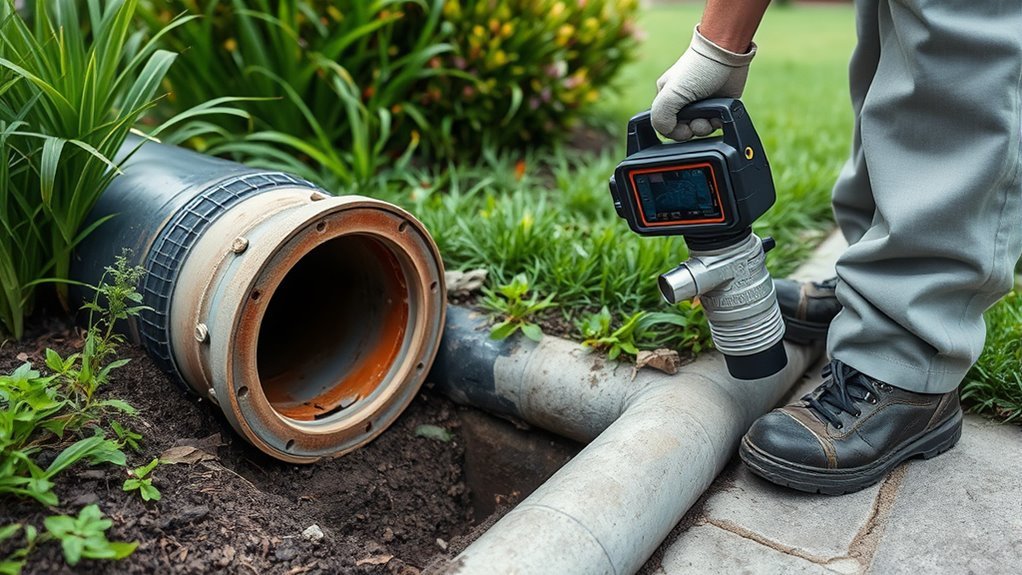
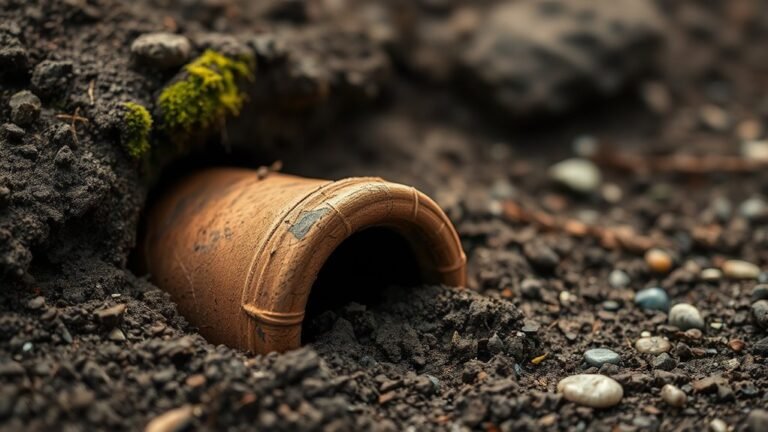
Recognizing the signs that your sewer line needs cleaning is just the first step; understanding how often to schedule these cleanings depends on several key factors. The pipe material, age and condition play a major role—older pipes like cast iron or clay often demand more frequent scheduled cleaning to prevent blockages.
Tree roots can infiltrate pipes, causing clogged drains and increasing the need for regular maintenance. If you have large trees near your home plumbing, you’ll likely need inspections and cleanings more often.
High water usage accelerates buildup, shortening intervals between cleanings. Proper waste disposal habits can help extend these intervals.
The Role of Sewer Camera Inspections
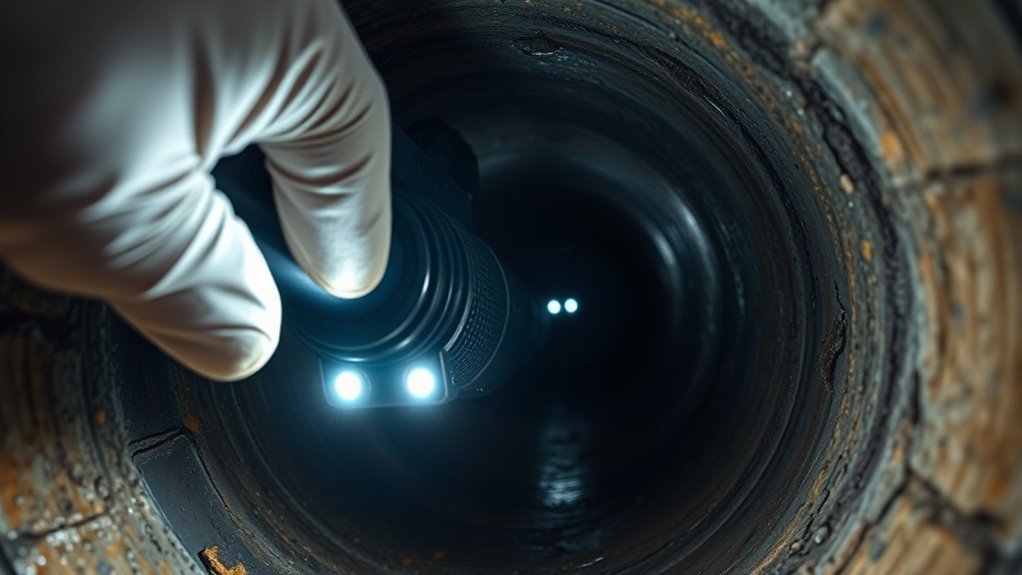
When you use sewer camera inspections, you can spot hidden issues like cracks or blockages before they cause major problems. This technology helps you target cleaning efforts more accurately, saving time and money.
Benefits of Camera Inspections
Because sewer camera inspections offer real-time visuals of your pipes, they let you pinpoint cracks, blockages, and root intrusions without digging up your yard.
Using a waterproof video camera, you can locate the exact problem areas quickly. This method helps detect early signs of deterioration, such as corrosion, allowing timely structural repairs.
Sewer camera inspection acts as one of the most effective diagnostic tools, providing clear evidence of issues for better decision-making.
| Benefit | Description | Impact |
|---|---|---|
| Real-time visual assessments | Pinpoint exact issues using waterproof video camera | Saves time and reduces guesswork |
| Detect early signs | Identify deterioration before major failures | Prevents costly repairs |
| Clear evidence | Video footage enhances communication with you | Enables informed decisions |
Detecting Hidden Sewer Issues
Sewer camera inspections don’t just reveal visible damage—they uncover hidden sewer issues that often go unnoticed until they cause major problems. By inserting a flexible camera into your pipes, this technology provides real-time footage of the pipe condition, exposing blockages, pipe cracks, and root intrusion.
You’ll catch issues especially common in older pipes, where corrosion or shifting joints might hide damage. This detailed view lets you avoid costly repairs by identifying problems early, enabling effective damage prevention.
Plus, a sewer camera inspection offers clear repair indication, showing whether cleaning alone will fix the problem or if pipe lining or replacement is necessary. Using this method regularly ensures you stay ahead of trouble before it leads to backups or pipe collapse.
Enhancing Cleaning Accuracy
How can you guarantee your sewer cleaning targets the exact problem without unnecessary disruption? By using a camera inspection with a high-resolution camera, you get real-time visuals inside your sewer lines. This allows precise damage detection, including hidden issues like root intrusion or cracked pipes, which routine cleaning alone might miss.
Incorporating video footage into the diagnostic process ensures targeted cleaning that directly addresses the problem area. This focused approach not only prevents unnecessary digging but also lowers your overall service costs by avoiding extensive repairs.
Regular camera inspections enable early detection of minor issues, stopping them from escalating into costly problems. So, leveraging sewer camera inspections enhances cleaning accuracy, making your maintenance efforts more effective and efficient.
Choosing the Right Cleaning Method
When deciding on the right cleaning method, you need to take into account the clog’s severity, the pipe material, and its overall condition. A camera inspection often helps you identify root intrusion, organic buildup, or stubborn blockages.
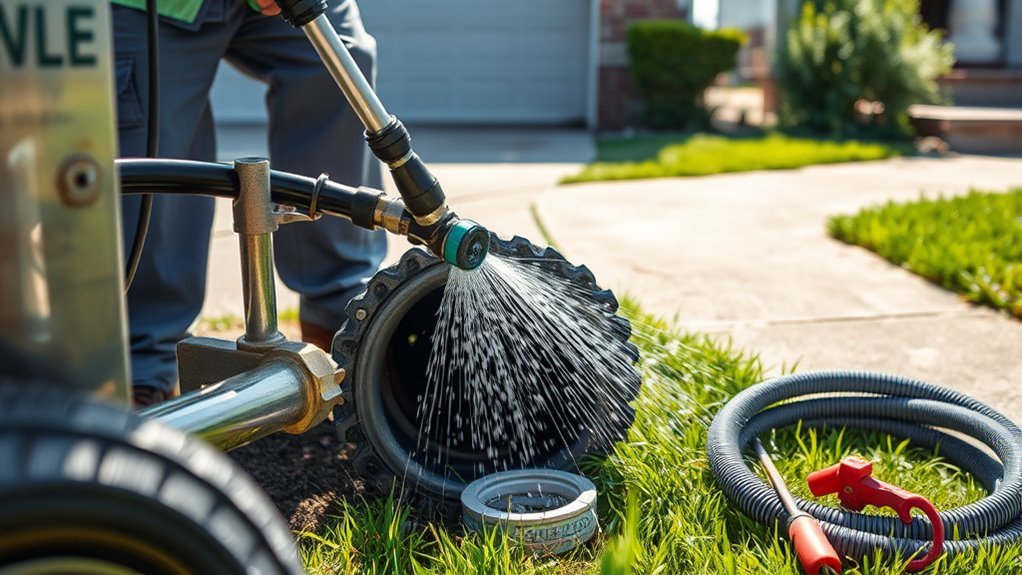
For heavy clogs or older pipes, hydro jetting uses high-pressure water to clear grease, sludge, and roots effectively. Mechanical snaking suits minor blockages and is often your first cleaning technique.
Enzymatic cleaners work well for routine maintenance, targeting organic buildup but aren’t effective against roots or severe clogs.
| Cleaning Method | Best Use Case |
|---|---|
| Hydro Jetting | Heavy clogs, roots, sludge |
| Mechanical Snaking | Minor blockages |
| Camera Inspection | Pinpoints blockage location |
| Enzymatic Cleaners | Organic buildup, maintenance |
| Pipe Material | Influences method choice |
Step-by-Step Sewer Line Cleaning Process
You’ll start with a camera inspection to pinpoint any blockages and check pipe conditions. Then, you’ll choose the best cleaning method, like using a mechanical auger or high-pressure water jetting.
Finally, you’ll verify the results with a follow-up inspection to guarantee the line is clear. It’s all about making sure everything flows smoothly again!
Initial Inspection Techniques
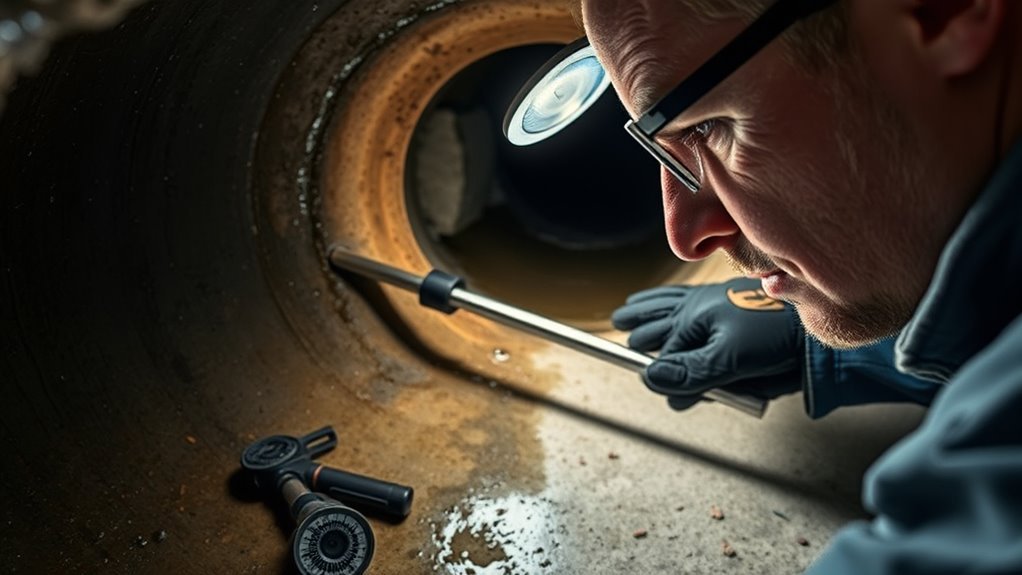
Although sewer line issues often seem hidden, the initial inspection reveals the true condition inside the pipes. You start by locating an access point, typically a cleanout, to insert a waterproof camera.
This video inspection lets you see the interior conditions clearly. As the camera moves through the pipe, it transmits real-time footage, allowing you to spot blockages, root intrusion, or collapsed sections immediately.
This detailed view is essential for understanding the problem’s scope. Once the inspection is complete, you receive a diagnostic report summarizing the findings.
This report guides you in planning the next steps, ensuring any cleaning or repair is targeted and effective. This thorough initial inspection sets the foundation for maintaining your sewer line’s health.
Cleaning Method Selection
Since each sewer line varies in material, age, and blockage severity, selecting the right cleaning method is essential for effective results. A professional sewer inspection using a video camera lets you assess pipe condition and blockage severity accurately.
This professional assessment guides you to pick the best cleaning technique tailored to your needs.
Consider these options:
- Hydro jetting: Best for stubborn blockages; uses high-pressure water to clear grease, roots, and debris.
- Snaking: Ideal for minor clogs; mechanically breaks or dislodges obstructions with a rotating cable.
- Enzyme treatments: Suitable for maintenance and mild buildup; uses natural enzymes to dissolve organic matter.
Post-Cleaning Verification
After completing the cleaning, a professional plumber conducts a camera inspection to guarantee the sewer line is fully clear of blockages. This post-cleaning verification step uses video footage from the pipe inspection to confirm all obstructions like roots, debris, or buildup have been removed effectively.
You’ll get visual confirmation that helps detect any damage, such as cracks or collapsed pipe sections, which might require immediate repairs. This thorough examination ensures your sewer system functions efficiently, reducing the risk of future backups or clogs.
Preventative Maintenance Tips for Sewer Lines
To keep your sewer lines running smoothly, you should schedule regular inspections and cleanings every 18 to 24 months. Preventative maintenance like sewer line cleaning helps you avoid costly repairs by catching issues early.
Using hydro jetting and camera inspection lets you thoroughly clean pipes and spot root intrusion or blockages before they become a big problem. Also, practicing proper pipe maintenance by managing household waste carefully can make a huge difference.
Here are some tips for effective clog prevention and drain cleaning:
- Install strainers and avoid flushing non-degradable items like wipes or paper towels.
- Control nearby vegetation to prevent root intrusion into sewer lines.
- Schedule routine inspections regularly to keep an eye on your pipe’s condition and catch problems early.
When to Call a Professional for Sewer Line Issues
If you notice multiple drains slowing down or backing up at the same time, you should call a professional plumber immediately. This often signals a main sewer line blockage.
Don’t rely on chemical drain cleaners or DIY fixes if clogs persist. Professionals use specialized tools that not only clear clogs but also clean the pipes thoroughly.
Schedule a professional inspection if you detect sewer backups, gurgling sounds, or foul odors. These can indicate serious plumbing problems or pipe damage.
Roots invasion is another common issue requiring expert attention. Taking care of it early can prevent costly emergency repairs.
Regular sewer line maintenance helps, but when you spot wet patches or soggy soil above your sewer lines, it’s time to act fast. Prompt professional care guarantees your system stays healthy and damage-free.
Frequently Asked Questions
How Often Do Sewer Lines Need to Be Cleaned?
You should clean your sewer lines every 18 to 24 months.
But if you have older pipes, frequent clogs, nearby trees, or a large household, you might want to clean them more often.
In those cases, consider doing it annually or even semi-annually for the best results.
What Is the 135 Rule in Plumbing?
The 135 Rule in plumbing is like a traffic light guiding you—it tells you to inspect and clean sewer lines every 1 to 3 years.
This depends on factors like pipe age, household size, and how much you use the plumbing. Following this rule helps you avoid costly blockages and repairs.
How Much Does It Cost to Have Your Main Sewer Line Cleaned?
You’ll typically pay between $100 and $500 to clean your main sewer line, depending on the job’s complexity.
Costs can rise if tree roots or repairs are needed, so regular maintenance helps avoid pricey emergencies. It’s definitely worth keeping up with it to save some cash down the road.
What Is the Best Way to Clean a Main Sewer Line?
Like a surgeon with a scalpel, you should use hydro jetting to clean your main sewer line. It blasts away grease, roots, and debris thoroughly,
ensuring your pipes stay clear and your home’s plumbing performs flawlessly.
Conclusion
Keeping your sewer system spotless saves stress and spares you surprises. By spotting signs swiftly, selecting suitable cleaning solutions, and scheduling regular sewer camera scans, you’ll stay steps ahead of serious snags.
Stick to smart, simple preventative practices to sustain smooth sewer flow and sidestep costly setbacks. When things seem tricky, trust a trained technician to tackle troubles timely.
Stay savvy, stay safe, and keep your pipes performing perfectly with proactive care! Regular sewer line cleaning is key to avoiding blockages and expensive repairs. Remember, consistent maintenance and timely inspections help maintain a healthy sewer system and protect your home’s plumbing investment.