How Long Does It Take to Learn Sewing in Steps
You can start learning sewing basics like straight stitching within just a few days by practicing regularly. Getting comfortable with these simple skills sets a great foundation for your sewing journey.
In a few months, you’ll be able to confidently handle simple projects such as skirts or pillowcases. These beginner projects help build your confidence and keep things fun.
Advancing to intermediate techniques, like fitting patterns and inserting zippers, usually takes about 3 to 6 months with steady practice. Don’t worry if it feels tricky at first—everyone progresses at their own pace.
Mastering more complex skills and fabric handling may take a year or more. Your progress depends a lot on the tools you use, your motivation, and how consistently you practice.
Keep going, and you’ll discover ways to accelerate your skill development. Sewing is a wonderful hobby that gets easier and more rewarding with time!
Key Takeaways
- Basic sewing skills like straight stitching can be learned within a few days of practice. It’s pretty quick to get the hang of the basics.
- Beginners typically gain confidence after completing simple projects over 3 to 6 months. Tackling easy projects really helps you feel more comfortable with your machine.
- Mastering intermediate techniques such as zippers and pattern fitting takes 6 to 12 months. These skills need a bit more patience and practice to nail down.
- Advanced skills and pattern alteration may require 1 to 2 years of dedicated practice. It’s a gradual process, but totally doable if you stick with it.
- Consistent, regular practice and community support accelerate learning and build sewing independence. Being part of a sewing group or forum can really boost your progress and motivation.
Understanding the Learning Curve for Sewing
Though sewing may seem intimidating at first, you can master basic skills like straight stitching within a few days of consistent practice. The learning curve varies, but with steady practice sewing, you’ll see progress quickly.
To speed up your skill mastery, use quality resources to learn, such as online tutorials and beginner-friendly guides. Constructing simple projects like skirts or pillowcases typically takes a few months of regular sewing, helping you build confidence.
Most beginners feel comfortable after 6 to 12 months, depending on how often and how complex their projects are. Keep in mind, advanced techniques—like pattern fitting or working with knits—require more time and dedication.
Staying consistent and using structured resources will help you navigate the sewing learning curve efficiently. Just stick with it, and you’ll get there!
Essential Tools and Materials for Beginners
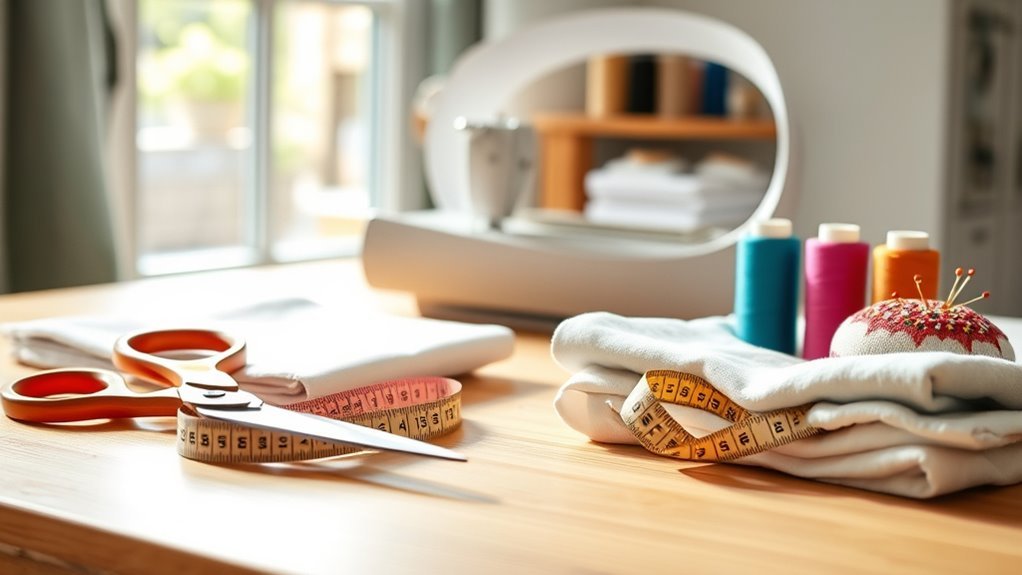
To get started with sewing, you’ll need a basic kit that includes needles, thread, scissors, and measuring tape. This usually costs between $20 and $50.
Choosing budget-friendly fabrics like quilting cotton or muslin makes practicing easier and more affordable. It’s a smart way to get comfortable without spending too much.
Having the right tools and materials really sets a solid foundation for your sewing journey. Once you have these basics, you’ll feel more confident to dive into projects.
Basic Sewing Kit
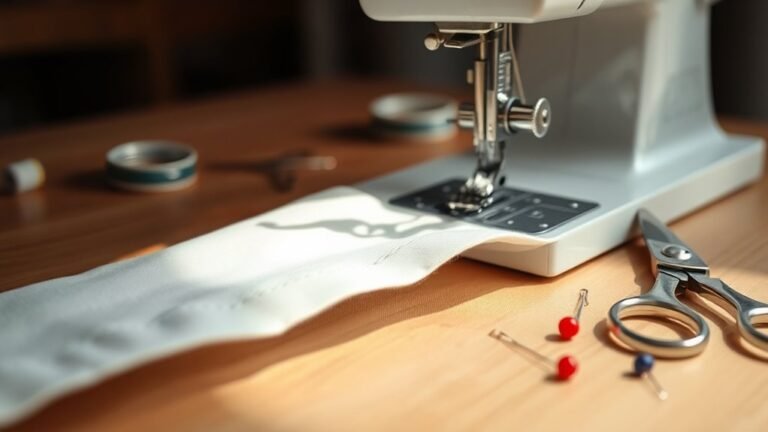
When you start sewing, having the right tools makes all the difference. Your basic sewing kit should include essential sewing tools like a measuring tape, fabric scissors, needles, thread, and pins.
Make sure to designate fabric scissors just for cloth to keep them sharp. A simple pin cushion or glass-head pins will help keep fabric layers aligned without melting under your iron.
If you’re a beginner, adding a seam ripper and marking tools such as chalk or washable pens is a smart move. While a sewing machine is optional, it’s highly recommended to speed up your learning process.
Most beginner sewing kits cost between $20 and $50, making learning to sew affordable and accessible. With the right kit, you’re set to start creating confidently and enjoy your sewing journey.
Recommended Fabrics
Having the right tools sets you up for success, but choosing the right fabrics plays a big role in how smoothly you learn to sew. Starting with the right fabric can make your learning experience less frustrating and more productive.
Quilting cotton is ideal—it’s stable, affordable, and easy to handle. This helps you focus on building your sewing skills without battling tricky materials. Pair your fabric choice with essential tools to enhance precision and ease.
- Use medium-weight, durable fabrics to simplify pressing and seams
- Invest in sharp fabric scissors and quality pins for accuracy
- Keep measuring tape, chalk, or washable pens handy for marking
- Have a seam ripper ready to fix mistakes effortlessly
These choices create a solid foundation for developing your sewing skills effectively.
Foundational Sewing Skills and Techniques
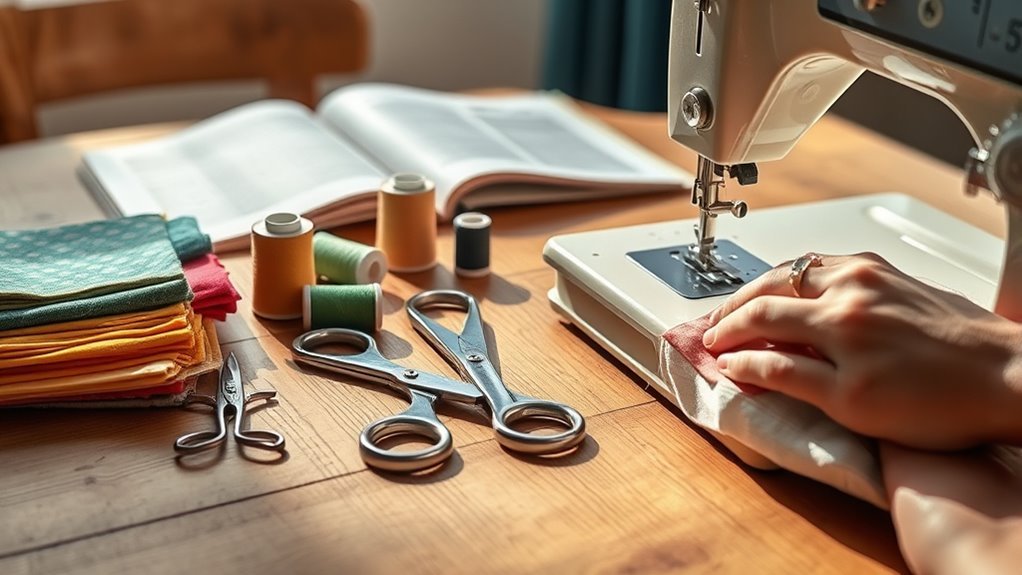
You’ll start by mastering essential stitching techniques like straight stitching and seam finishing, which usually takes a few weeks of steady practice. Handling fabric properly and understanding seam allowances are key skills you’ll develop through regular projects.
Once you get comfortable with these basics, finishing seams cleanly will become second nature. It’s all about practice and getting a feel for the fabric as you go. Keep at it, and soon these skills will feel like second nature!
Essential Stitching Techniques
Although sewing may seem complex at first, mastering essential stitching techniques lays the groundwork for every project you tackle. With focused practice, you’ll quickly build confidence in your stitches and overall sewing techniques.
Start with these foundational skills:
- Master straight and zigzag stitches within your first week to establish a strong base.
- Practice sewing in straight lines, aiming for accuracy within 1/8 to 1/4 inch over 1-2 weeks.
- Develop curved and angled stitching skills through 2-3 weeks of consistent work on scrap fabric.
- Advance to techniques like sewing with elastic, installing zippers, and topstitching after 3-4 weeks of practice.
Stick to regular practice, and your sewing skills will steadily improve. This way, you’ll be ready for more complex projects in no time.
Fabric Handling Basics
Because fabric handling directly affects the quality of your sewing, learning to identify the fabric’s right and wrong sides is vital for neat seams and clean edges. You’ll also want to master fabric tension to avoid puckering while stitching.
Proper pinning techniques play an essential role in keeping fabric layers aligned and preventing shifting. When cutting fabric, always use sharp scissors and follow the grainline to maintain pattern stability.
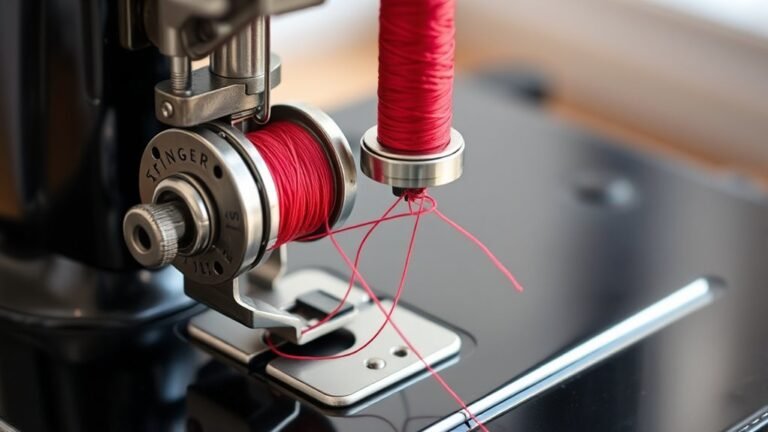
Choosing the right needle and thread for your fabric type further protects the material and guarantees smooth stitching. Developing these foundational fabric handling skills will help you sew accurately and confidently, setting a strong base before moving on to more advanced techniques.
Seam Finishing Methods
When you finish sewing a seam, you need to prevent the raw edges from fraying to guarantee your project lasts. Seam finishing is a vital skill that improves both durability and appearance.
You can choose from several effective methods: Use a serger to trim and overlock edges quickly, creating professional seam finishing with overlocking stitches. Or apply zigzag stitches on a regular machine to secure raw fabric edges.
Try French seams, which encase raw edges completely but require precise sewing and extra pressing. You can also cut fabric edges with pinking shears to reduce fraying naturally.
Mastering these seam finishing techniques ensures your garments maintain their shape and look polished. It’s really indispensable for quality sewing projects.
Progressing Through Intermediate Sewing Projects
As you take on intermediate sewing projects like tailored pants or structured dresses, expect to spend about 3 to 6 months honing your skills with steady practice. These sewing projects challenge you to develop new techniques such as zipper installation, fitting adjustments, and advanced finishing.
Your practice time is vital for skill development, helping you move from basic construction to technique mastery. Repeating complex projects sharpens your abilities and can cut your construction time by up to 30%.
While mastering fitting and pattern alteration may take longer, around 1 to 2 years, consistently completing intermediate garments builds your confidence and independence. By committing to regular practice, you steadily transform your sewing from simple creations to well-fitted, polished garments.
Factors That Influence Skill Development Speed
Although sewing skill development varies by individual, several key factors can speed up your progress considerably. Focusing on these elements helps you refine your abilities faster and tackle more complex projects with confidence.
Consistent practice and repetition of techniques build muscle memory, making your sewing more efficient. It’s all about getting those motions down so they become second nature.
Using quality tools, such as sharp scissors and reliable machines, minimizes errors and frustration. When your tools work well, sewing feels smoother and more enjoyable.
Working repeatedly with the same patterns allows you to master specific skills and anticipate challenges. This way, you can focus on improving rather than figuring out new steps every time.
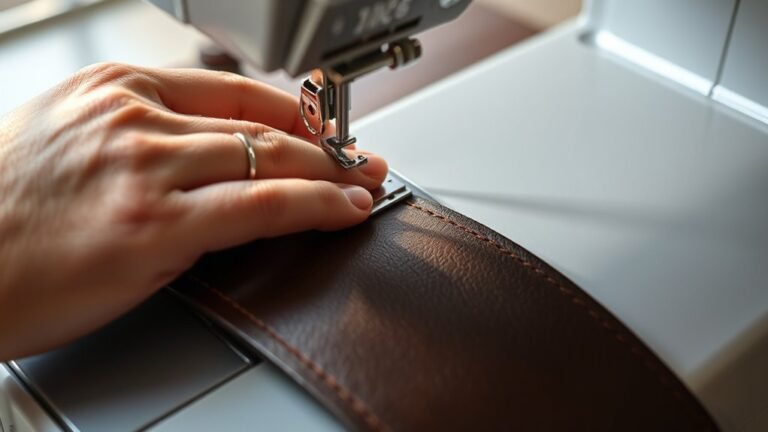
Learning to sew various fabric types requires adapting your techniques, so dedicating time to this broadens your expertise. Trying out different materials keeps things interesting and makes you a more versatile sewist.
Tips for Sustaining Motivation and Practice
If you want to keep improving your sewing skills, maintaining motivation is key. Set small, achievable goals and celebrate each completed project to boost your motivation and guarantee consistent practice.
Practicing regularly, even just 30 minutes a day, helps build momentum and prevents your skills from stagnating. Track your progress using checklists or a sewing journal; seeing your improvement encourages you to keep going.
Joining a sewing community or online forum provides social support, accountability, and fresh inspiration to sustain your practice. Finally, remind yourself of the personal and creative benefits sewing brings, which fuels your enthusiasm and commitment over the long term.
Staying motivated through these strategies assures steady progress and lasting enjoyment in your sewing journey.
Frequently Asked Questions
Is It Hard to Learn Sewing?
It isn’t hard to learn sewing if you’re patient and practice regularly. You’ll start with simple projects, get familiar with tools, and improve step-by-step.
With time and good guidance, sewing becomes easier and enjoyable. Just take it one stitch at a time, and you’ll see progress before you know it!
Is It Actually Cheaper to Sew Your Own Clothes?
Yes, it’s cheaper to sew your own clothes once you invest in tools and fabric. You’ll save money by customizing, making durable pieces, and avoiding frequent purchases.
Especially if you buy materials in bulk or on sale, the savings add up even more. Plus, you get exactly what you want, which is a nice bonus!
Is Sewing Harder Than Crocheting?
Yes, sewing is harder than crocheting because you’ll need to master various techniques, handle patterns, and operate machines.
Crocheting involves simpler, repetitive stitches, making it easier for beginners to pick up quickly and enjoy.
What’s the Hardest Thing to Sew?
The hardest thing to sew is often invisible zippers or tailored garments because they demand precision and skill.
You’ll find curved seams and buttonholes tricky too, especially when aiming for neat, professional finishes on challenging fabrics.
These projects can really test your patience, but mastering them makes a huge difference in your sewing game.
Conclusion
Learning to sew is like weaving your own story—each stitch builds your confidence and skill. With the right tools and steady practice, you’ll transform simple threads into beautiful creations.
Remember, everyone’s journey is unique, shaped by patience and passion. Keep your needle moving, and don’t rush the rhythm.
As you progress, sewing will become second nature, turning your efforts into a tapestry of accomplishment and creativity.
Keep stitching, and watch your skills blossom. Learning to sew in steps ensures you develop a strong foundation before moving on to more complex projects. This approach makes the whole experience enjoyable and rewarding. So, take your time, follow the steps, and soon you’ll see just how long it takes to learn sewing—and how fulfilling the journey can be!