How to Get Rid of Sewer Smell in Toilet Quickly
To quickly get rid of sewer smell in your toilet, start by checking the P-trap; it might be dry. The P-trap holds water that blocks sewer gases from coming up into your bathroom. So, if it’s dry, that could be the main culprit. Refill it with water and inspect for leaky seals—cracked rubber can let odors escape.
Next, clear any blockages in the drainage system using a drain snake or a vinegar and baking soda mix. These natural solutions can help break down buildup causing the smell.
You can also try using enzymatic cleaners for better odor control—they work by breaking down organic waste that causes those nasty odors.
Want to know more effective solutions? There’s plenty to explore! Just a few simple steps can keep your toilet smelling fresh in no time.
Key Takeaways
- Check the P-trap for water; refill if dry to block sewer gases effectively.
- Inspect toilet seals for damage and replace the wax ring if necessary.
- Use baking soda and vinegar to neutralize odors; flush after 10-15 minutes.
- Clear any blockages in the drainage system using a drain snake or enzymatic cleaners.
- Schedule regular maintenance and inspections to prevent future sewer smells.
It’s pretty straightforward once you know what to look for. Just a little upkeep goes a long way in keeping those nasty smells away!
Identify the Source of the Sewer Smell
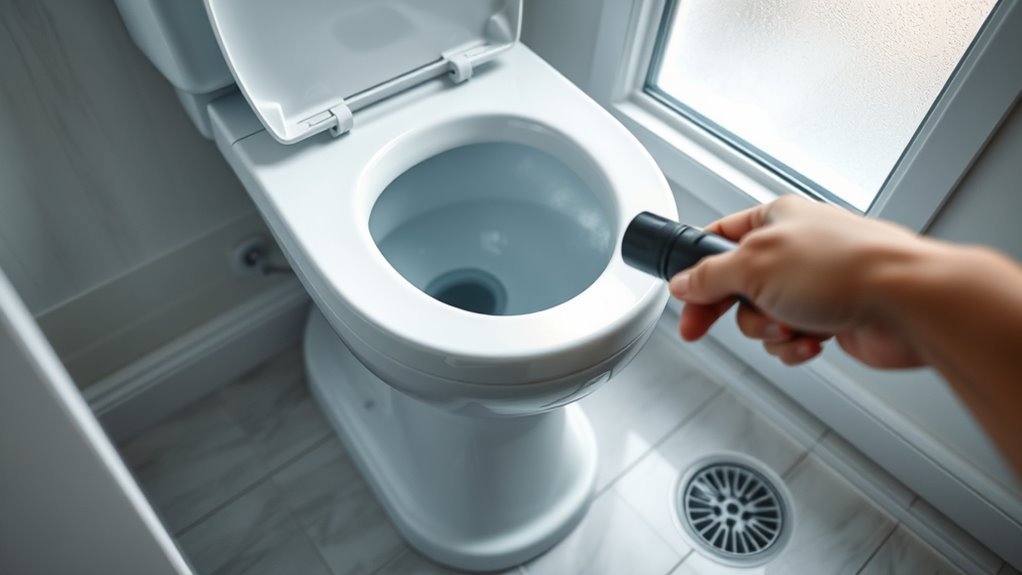
To tackle that pesky sewer smell in your toilet, you first need to pinpoint its source. Often, the culprit is a dry P-trap. Run water to refill it and create a proper seal.
Next, inspect the toilet for any leaky seals; worn rubber can allow sewer gases to escape into your bathroom. Don’t overlook blocked vent stacks, as they disrupt air pressure and can lead to unpleasant odors.
Inspect your toilet for leaky seals and check for blocked vent stacks to prevent unpleasant sewer odors in your bathroom.
A professional inspection may be necessary to clear any blockages. Additionally, check for cracks in the toilet base or sewer line, as these can also emit odors.
Regular flushing and maintenance of all drains are essential to prevent stagnant water and bacteria buildup, keeping your bathroom smelling fresh.
Check and Maintain the P-Trap
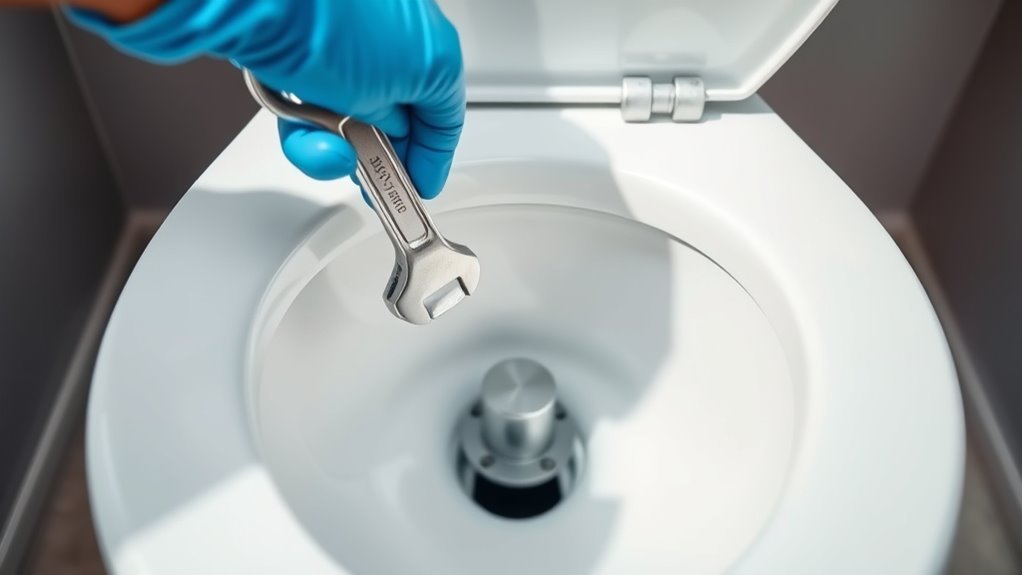
One essential step in eliminating that sewer smell is checking and maintaining the P-trap. This curved pipe holds water to create a seal against sewer gases. If it dries out, those unpleasant odors can escape into your bathroom.
To keep the P-trap functional, run water through the toilet or sink regularly, especially in fixtures you don’t use often. Make sure to inspect the P-trap for clogs or blockages, as debris can cause odors and slow drainage.
If you notice any leaks or damage, replacing the P-trap is important to prevent sewer gases from entering your space. In dry climates, adding a few drops of mineral oil can help slow down evaporation and maintain that essential water seal.
Inspect Toilet Seals for Damage
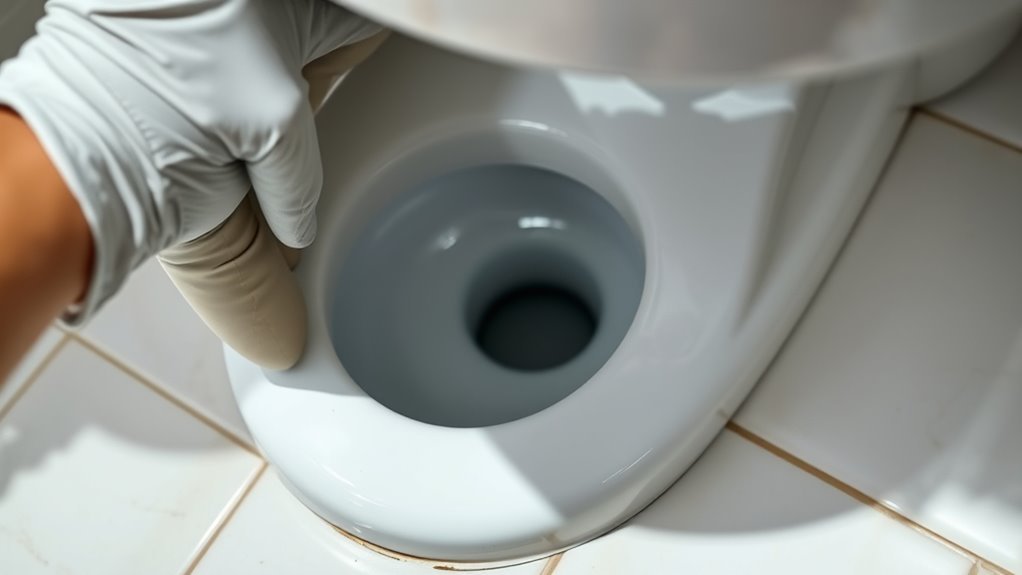
Inspecting the toilet seals for damage is essential in eliminating any lingering sewer smells. First, check the rubber seal at the base of the toilet for cracks or splits. These can allow sewer gases to escape into your bathroom.
Use a flashlight to closely examine the area behind the toilet; this will help you spot any visible wear on the seals. A damaged wax ring, which serves as the primary seal between the toilet and the floor, may also need replacement to prevent odors.
If you find any damage, consider applying mold-resistant silicone to create a watertight and airtight seal. Regularly inspecting your toilet seals will help maintain a sanitary environment and effectively prevent odors from returning.
Clear Blockages in the Drainage System
To clear blockages in your drainage system, start by identifying common causes that might be trapping debris. You can use effective techniques like a drain snake or a baking soda and vinegar mix to tackle stubborn clogs.
Regular maintenance practices will also help prevent these issues and keep your bathroom smelling fresh. It’s easier to stay on top of things than to deal with a major clog later!
Common Blockage Causes
When you experience a sewer smell in your toilet, it often stems from common blockages in the drainage system. Identifying these issues can help you address the problem quickly.
Here are some common blockage causes:
- Buildup of toilet paper and waste: Excessive use can create obstructions.
- Dry P-trap: If it’s not holding water, sewer gases can escape.
- Clogged vent stacks: These can disrupt air pressure, pushing sewer gases back into your toilet.
Also, debris in the overflow drain or septic system can lead to stagnant water, which increases unpleasant odors.
Regular maintenance, like using enzymatic cleaners, can help prevent these blockages. It keeps your drainage system working efficiently and smelling fresh.
Effective Clearing Techniques
Clearing blockages in your drainage system is essential for eliminating that unpleasant sewer smell in your toilet. Start with a plumber’s snake to break up clogs, ensuring proper flow.
If you prefer a DIY approach, pour boiling water down the toilet to dissolve grease and debris. For a more natural solution, mix one cup of baking soda with one cup of vinegar; this fizzy reaction helps loosen debris and neutralizes odors.
Additionally, consider using enzymatic drain cleaners, which effectively break down organic matter and reduce blockages. Remember, regular maintenance is key to preventing future issues.
Regular Maintenance Practices
Regular maintenance practices are essential for keeping your drainage system odor-free and functioning smoothly. By staying proactive, you can prevent future issues and unpleasant smells.
Here are some key steps to follow:
- Inspect and clear blockages using a drain snake or enzymatic cleaners regularly to maintain proper flow.
- Ensure the P-trap is filled with water by flushing the toilet frequently and running water in sinks to block sewer gas from escaping.
- Use a baking soda and vinegar mixture monthly to break down organic matter and eliminate odors.
Also, think about scheduling professional cleanings to tackle deeper clogs. Installing drain strainers can help catch debris before it causes problems.
These simple practices will help you maintain a fresh-smelling toilet and a healthy drainage system.
Evaluate Ventilation Problems Causing Sewer Smells
If you’re dealing with sewer smells, it’s essential to check your bathroom’s ventilation. Start by inspecting the exhaust fan and vent stack to guarantee they’re functioning properly.
Proper airflow is key to preventing odors from lingering in your home. So, make sure everything is running smoothly to keep those smells at bay.
Check Exhaust Fan Functionality
To tackle that pesky sewer smell in your toilet, checking the functionality of your exhaust fan is vital. An operational exhaust fan plays an important role in maintaining indoor air quality by expelling moisture and odors.
Here’s what to do:
- Listen for Noise: Confirm the fan is running; a silent fan may be malfunctioning.
- Clean Regularly: Remove dust or debris from the fan to boost its efficiency.
- Check Ducts: Verify that the exhaust duct is clear and vented outside to prevent sewer gases from seeping back in.
You might want to consider installing a timer switch to keep the fan running after showers. Or, if the smells just won’t quit, upgrading to a more powerful model could do the trick.
2. Inspect Vent Stack Condition
2. Inspecting the vent stack is essential to tackle sewer smells effectively. The vent stack maintains air pressure in your plumbing system, and any blockages can force sewer gases back into your home.
Check for clogs caused by debris, bird nests, or even snow accumulation that could obstruct airflow. If you notice any damage or cracks in the vent stack, it can lead to pressure imbalances. This allows those unpleasant odors to escape through your drains.
Regular maintenance, like clearing any blockages and making sure the vents are securely capped, can really help reduce sewer smells. And if you’re not sure about the condition of your vent stack, don’t hesitate to call a professional. They can do a thorough inspection and handle any necessary repairs.
3. Ensure Proper Airflow
Proper airflow is essential in keeping sewer smells at bay. Without adequate ventilation, moisture and odors can linger, creating an unpleasant environment.
Here are a few steps to guarantee proper airflow:
- Install an exhaust fan: This greatly improves ventilation, reducing humidity and preventing mold growth.
- Clean vent covers regularly: Keeping them unobstructed maintains a healthy ventilation system.
- Conduct seasonal inspections: Check plumbing vents for blockages or breaks, which can disrupt airflow and allow sewer gases back into your home.
Use Effective Cleaning Solutions to Combat Odors
When odors linger in your toilet, using effective cleaning solutions can make a significant difference. Here are some powerful options to tackle sewer gas and keep your toilet fresh:
| Cleaning Solution | How to Use | Benefits |
|---|---|---|
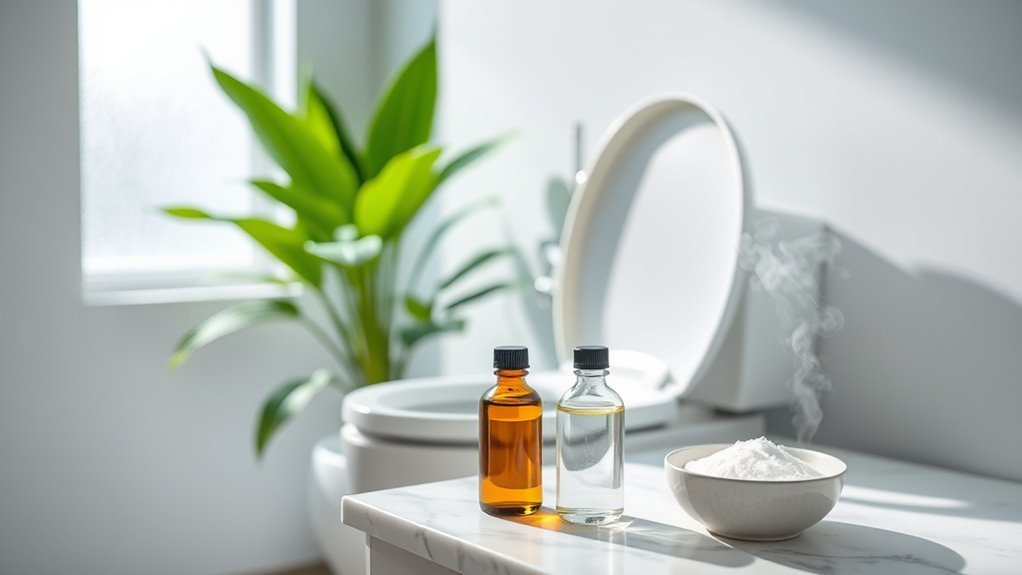
| Baking Soda & Vinegar | Pour 1 cup each, let fizz for 10-15 minutes, then flush. | Neutralizes odors and breaks down grime. |
| Enzymatic Cleaners | Apply as directed to target organic matter. | Eliminates odors effectively. |
| Diluted Bleach Solution | Mix 1 part bleach to 10 parts water, disinfect. | Kills odor-causing bacteria. |
| Essential Oils | Add a few drops to the bowl for scent. | Provides pleasant aroma and antibacterial properties. |
| Regular Maintenance | Schedule cleanings with these solutions regularly. | Prevents buildup and keeps odors at bay. |
Using these cleaning solutions will help combat those pesky odors effectively. Give them a try and notice the fresh difference in your bathroom!
Apply Biological Remedies for Odor Elimination
Biological remedies offer a natural and effective solution for eliminating sewer odors in your toilet. These enzyme and bacteria-based cleaners tackle the root cause by breaking down organic matter, ensuring your plumbing stays fresh.
Here’s how to use them: apply directly into the toilet bowl or drains for targeted action. Use them regularly to maintain a healthy balance of bacteria, which helps prevent unpleasant odors from coming back.
Try applying the remedies at night so they can work overnight. That way, you’ll wake up to a fresh start each morning.
Unlike harsh chemicals, biological remedies are environmentally friendly and safe for all plumbing types. So, you don’t have to worry about damaging your pipes.
Make these remedies part of your cleaning routine for excellent results! It’s an easy way to keep things smelling fresh naturally.
When to Call in the Professionals?
If you’ve tried everything and the sewer smell still lingers, it’s time to call in the professionals. Signs like multiple drains emitting odors or visible mold suggest deeper plumbing issues that need expert attention.
Don’t hesitate to reach out if you suspect a serious problem. Early intervention can save you from costly repairs down the line.
Signs You Need Help
Persistent sewer smells in your toilet can be more than just an annoyance; they often signal deeper plumbing issues that need professional attention.
If you’re experiencing any of the following signs, it’s time to call us:
- Water pooling around the base of the toilet, indicating a leaky seal.
- Frequent clogs or slow drainage alongside persistent bathroom odors, suggesting a blocked vent or sewer line.
- A strong sewage odor that lingers, possibly due to gas infiltration from a cracked sewer line.
Ignoring these signs can lead to more serious problems.
If DIY solutions like cleaning or resealing don’t eliminate the smell within a few days, don’t hesitate—professional help is essential for your health and home safety.
Complex Plumbing Issues
When dealing with a sewer smell in your toilet, it’s essential to recognize that you might be facing complex plumbing issues requiring professional help. Persistent odors often signal problems like cracked sewer lines or faulty seals in your plumbing system.
If DIY attempts haven’t worked, it’s time to consult a professional plumber. They can perform camera inspections to pinpoint hidden issues and guarantee you’re not exposing yourself to harmful sewer gasses like methane or hydrogen sulfide.
Complex problems, such as blocked vent stacks or extensive leaks, typically need specialized tools and expertise. Regular maintenance checks can also help identify potential issues early, saving you from costly repairs and health risks in the future.
Don’t hesitate—get the help you need!
Persistent Odor Problems
Ignoring lingering sewer smells can lead to serious health risks, so knowing when to call in professionals is key. If you’re dealing with persistent sewer smells, don’t hesitate to seek help.
Here are some signs it’s time for a professional assessment: DIY methods, like cleaning the P-trap, haven’t worked. You might also suspect a damaged wax seal or cracked sewer line.
Continuous odors may indicate issues with the venting system. Professionals can perform camera inspections to spot hidden blockages or leaks.
They’ll also check for air pressure problems that might let sewer gases escape. Don’t wait until the situation worsens; timely intervention can prevent health risks from harmful gases like methane and hydrogen sulfide.
How to Prevent Future Odors in Your Bathroom
To keep your bathroom smelling fresh, it’s essential to adopt some simple preventive measures. Regularly flushing unused drains weekly maintains water levels in P-traps, helping to prevent sewer gas escape.
Installing drain strainers catches debris, reducing organic matter buildup. It’s a small step but makes a big difference over time.
Conduct seasonal inspections of vent stacks to guarantee clear air circulation. And don’t forget to use enzymatic cleaners monthly to break down odor sources.
Finally, reseal toilet bases and fixtures annually. This ensures an airtight seal to prevent gas leaks and keeps things smelling clean.
| Action | Frequency |
|---|---|
| Flush unused drains | Weekly |
| Inspect vent stacks | Seasonally |
| Use enzymatic cleaners | Monthly |
Quick Maintenance Tips for a Fresh Bathroom
Maintaining a fresh bathroom goes beyond preventing odors; it’s about consistent upkeep. To keep unpleasant smells at bay, follow these quick maintenance tips:
- Check and refill P-traps: Run water down unused drains weekly to prevent sewer gas escape.
- Inspect wax rings: Replace worn toilet seals to close any gaps that let odors escape.
- Clean your exhaust fan: Guarantee proper ventilation to reduce moisture and odor buildup.
Also, try using enzymatic drain cleaners to break down organic matter. And don’t forget to keep the area around the toilet clean and dry.
Standing water can breed bacteria, which leads to those unpleasant smells. With these simple steps, you’ll maintain a fresher bathroom environment effortlessly.
Frequently Asked Questions
How to Neutralize the Smell of Sewage?
To neutralize the smell of sewage, inspect for leaks and clean regularly. Use a mixture of baking soda and vinegar in the toilet, and make certain water’s flowing in all P-traps to maintain seals.
You want to keep things fresh, right? So checking those pipes and traps often really helps keep the bad odors at bay. Just a little routine goes a long way!
How to Clean a Sink Drain?
To clean a sink drain, pour a cup of baking soda followed by a cup of vinegar. Let it fizz for 5-10 minutes.
Then, flush with boiling water to eliminate buildup and odors effectively. It’s a simple trick that really works!
What Could Be Causing the Bad Smell in My Bathroom?
If your bathroom smells like a forgotten cave, check for dry P-traps, leaky seals, or clogged drains. These sneaky culprits often let unwelcome sewer gases waft in, turning your oasis into a stinky swamp.
Sometimes, it’s as simple as water evaporating from the P-trap. When that happens, the barrier that stops smells disappears. Or maybe there’s a seal that’s worn out and needs some fixing.
Clogged drains can also trap gunk and cause odors to build up. So, it’s worth giving those areas a good look and a quick clean.
How to Remove Bad Smell From Toilet Naturally?
To remove bad smells from your toilet naturally, try pouring baking soda and vinegar in. You can also add essential oils for a fresh scent.
Another trick is placing citrus peels in the tank. It’s pretty simple and works well!
And don’t forget, regular cleaning helps keep odors at bay. It really makes a difference over time.
Conclusion
In a world where sewer smells invade your bathroom like an unwelcome party crasher, tackling the issue swiftly can restore your sanctuary. With just a few simple steps, you can banish those foul odors faster than a superhero saving the day.
Regular maintenance transforms your toilet into a fresh, fragrant throne, ensuring your bathroom remains a blissful retreat rather than a stinky dungeon. So, roll up your sleeves and let the fresh air flow in—your nose will thank you!
Getting rid of sewer smell in your toilet quickly doesn’t have to be a hassle. By addressing common causes like dry traps, clogged vents, or buildup in the pipes, you can eliminate odors fast. Simple fixes like pouring water into the trap or using natural deodorizers can make a big difference. Remember, regular cleaning and proper ventilation are key to preventing sewer smells from coming back. With these quick tips, your bathroom will stay fresh and inviting, making those unpleasant sewer smells a thing of the past!