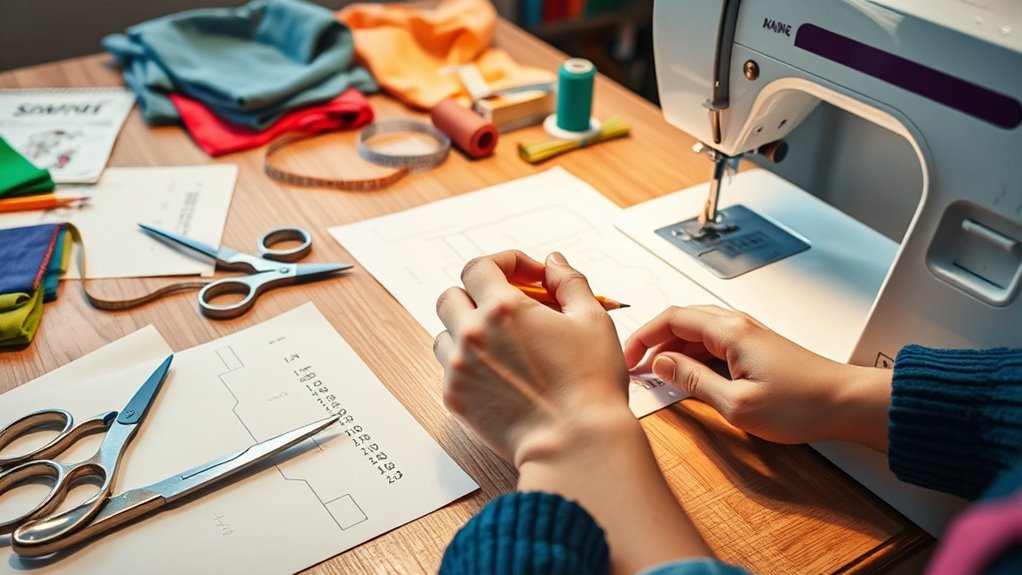
7 Steps to Follow Sewing Patterns Perfectly
To sew patterns perfectly, start by understanding the instructions and symbols thoroughly. It’s important to get familiar with every detail on the pattern before you even touch your fabric. This foundation helps you avoid mistakes later on and makes the whole process smoother.
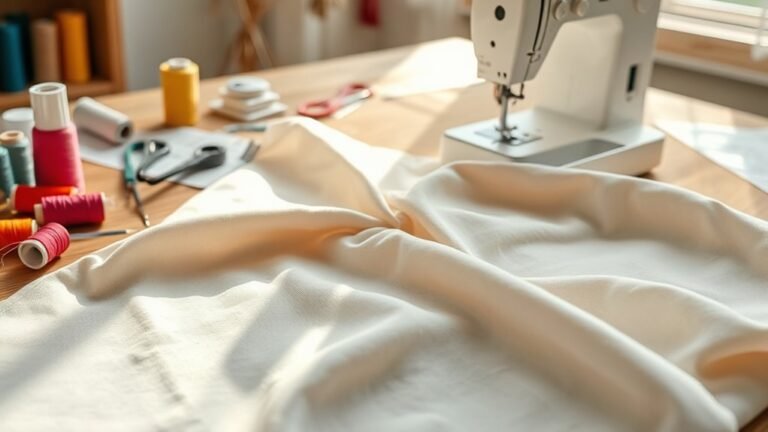
Next, choose the right fabric that suits your project’s needs. Different fabrics behave differently, so picking the right one can make a big difference.
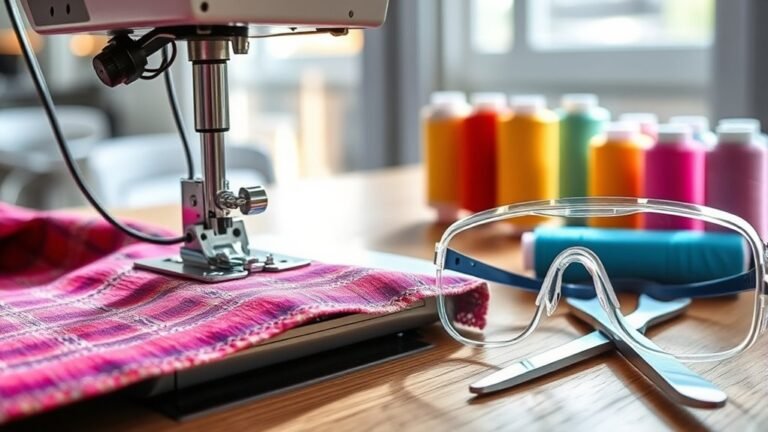
Prepare your workspace with essential tools for a smooth experience. Having everything ready and organized keeps you focused and efficient.
Cut your fabric accurately, ensuring grainlines align. This step is crucial because it affects how your garment will hang and fit. Use effective pinning and marking techniques for precise alignment.
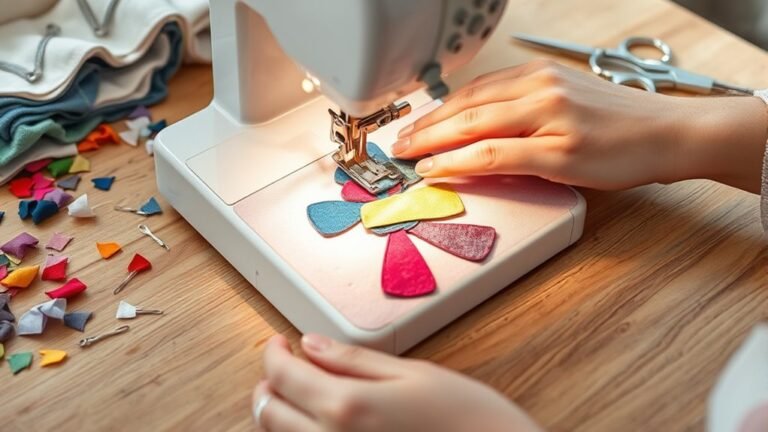
When you sew, focus on precision and care. Taking your time here pays off with a professional-looking finish.
Finally, check your work regularly and make adjustments as needed. Don’t rush through this part—small tweaks can improve the overall look and fit.
Discover more tips to elevate your sewing skills seamlessly and enjoy creating beautiful, well-fitted pieces every time.
Key Takeaways
- Read the entire pattern to understand techniques, symbols, and terminology for accurate sewing. This helps you avoid surprises later on.
- Choose the right fabric based on drape, weight, and ease of handling for your project. Picking the right material makes a big difference in the final look.
- Prepare a clutter-free workspace with essential tools like scissors, pins, and pattern weights for efficient sewing. A tidy area keeps you focused and organized.
- Cut and pin carefully by ensuring fabric is flat and aligned, using the right tools for precise edges. Taking your time here really pays off.
- Test adjustments on fabric scraps to ensure fit and appearance before final sewing for a polished result. It’s a small step that saves lots of hassle later.
Understand Your Pattern Instructions Thoroughly

When you immerse yourself in a new sewing project, understanding your pattern instructions is essential. Start by reading the entire sewing pattern carefully; this roadmap reveals any special techniques you’ll need.
Pay close attention to pattern symbols and markings, as they show vital details like grainlines, notches, and seam allowances. These little things make sure you assemble everything accurately.
Paying attention to pattern symbols and markings is crucial for accurate assembly, ensuring your project turns out just right.
Note the recommended fabric types and yardage requirements, since these factors influence the fit and final look of your garment. It’s worth keeping these in mind before you start cutting.
Familiarize yourself with specific terminology, such as “cut on fold” or “ease,” to avoid confusion while cutting and sewing. Knowing these terms helps everything go smoothly.
Finally, check for any additional resources, like online tutorials or videos. They can provide helpful visual guidance for complex steps and make the process easier to follow.
Select the Best Fabric for Your Project
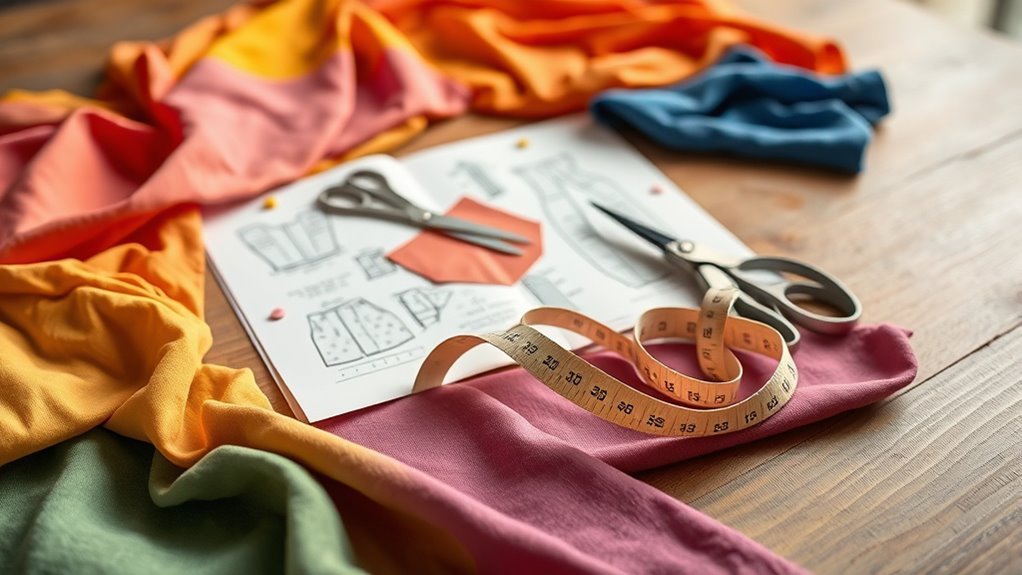
Choosing the right fabric is essential for your sewing project. Consider the fabric type, as it impacts the garment’s drape and fit.
And don’t overlook the importance of color and print selection. By understanding these factors, you’ll set yourself up for success in creating a stunning piece.
Fabric Types Overview
Selecting the right fabric can make or break your sewing project. In this fabric types overview, you’ll discover options that suit various sewing patterns and skill levels.
Cotton is versatile and beginner-friendly, perfect for dresses and home decor. Linen, with its natural texture, works well for warm weather garments, but be cautious as it tends to shift.
If you’re feeling adventurous, silk offers a luxurious drape but requires careful handling. For fitted garments like t-shirts, consider knits, which are stretchy yet need special tools to prevent skipped stitches.
Finally, denim is sturdy and ideal for durable items like jeans, though its thickness can pose challenges. Choose wisely to guarantee your project’s success!
2. Importance of Drape
Understanding fabric types sets the stage for considering drape, which plays an essential role in the final look and fit of your garment. The drape of a fabric refers to how it falls and flows, greatly impacting your design.
For example, soft drapes like viscose or silk create flowing silhouettes, while stiffer fabrics, such as cotton or denim, lend themselves to structured designs. It’s vital to factor in the weight of the fabric; lighter materials typically drape fluidly, while heavier ones provide more support.
You’ll want to always keep the intended use of your garment in mind. Activewear, for instance, needs fabrics with good stretch and recovery.
Testing the drape by hanging a sample can give you valuable insights into your fabric choice. It’s a simple step that really pays off when you’re deciding what to work with.
3. Color and Print Selection
When it comes to fabric choice, color and print can greatly impact your project’s outcome. Start by considering the drape and weight of the fabric. Heavier materials like denim require different handling than lighter ones like cotton or chiffon.
Choose prints that match your sewing pattern’s style; larger prints often suit simple designs, while intricate patterns enhance detailed ones.
Pay attention to how the fabric behaves during cutting and sewing. Fabrics like viscose can shift, so using pattern weights and a walking foot is essential.
Always refer to the pattern recommendations for fabric types; following them can improve fit and drape. Finally, don’t forget color theory; vibrant hues make bold statements, while neutrals offer versatility.
Prepare Your Workspace and Essential Tools
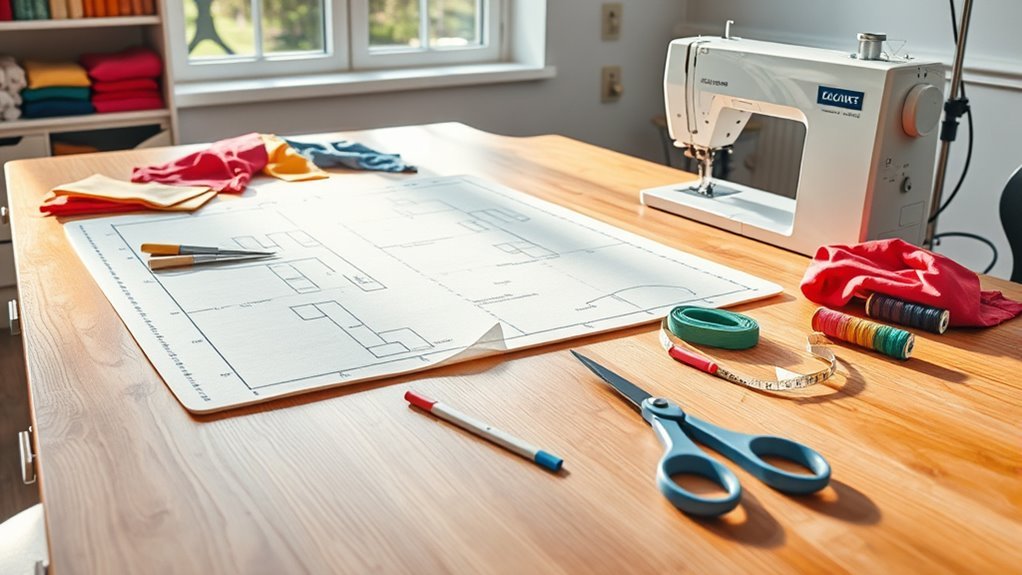
To create a successful sewing project, you need a well-prepared workspace and the right tools at your fingertips. Start by ensuring your area is well-lit and clutter-free.
Gather essential tools for precise sewing, like a rotary cutter, fabric scissors, pins, seam gauge, and pattern weights. Lay your fabric flat and right side up on a stable surface to prevent shifting.
| Tool | Purpose |
|---|---|
| Rotary Cutter | For clean, straight cuts |
| Fork Pins | Locks seams in place |
| Seam Ripper | Quickly fixes mistakes |
Keeping a seam ripper handy helps you correct errors without damaging your fabric. It makes your sewing process smoother and way more enjoyable.
Cut Your Fabric Accurately for Sewing Patterns
To cut your fabric accurately, start by using the right tools to guarantee clean edges and precise measurements. You’ll want to align your fabric correctly, making sure it’s flat and the grainline is straight.
Don’t forget to mark your seam allowances clearly; this will help you place everything accurately as you sew. It really makes the whole process smoother, trust me!
Use Proper Tools
Cutting fabric accurately is essential for achieving professional-looking results in your sewing projects. To guarantee clean cuts, use a rotary cutter instead of shears, especially with slippery fabrics like viscose. These fabrics can distort easily, so a rotary cutter really helps keep things neat.
Employ pattern weights to stabilize your fabric during cutting. This prevents shifting and keeps everything aligned with the grainline, which is super important for a polished finish.
Mark seam allowances on your pattern piece and press them under for a visible cutting line. When notching, always cut outward to prevent fraying—this helps maintain your pattern’s alignment.
Before you cut, make sure your fabric layout is fully flat and right side up. Doing this will help you achieve well-matched seams when you use a sewing machine. Follow these steps for accuracy and precision!
2. Align Fabric Correctly
Aligning your fabric correctly is essential for a successful sewing project. As you’re sewing for beginners, start by laying your fabric flat on a cutting surface, right side up, to prevent shifting.
Make sure the grainline aligns with the selvage; this guarantees your first pattern will hang well when sewn. Using pattern weights can help stabilize slippery materials like viscose, keeping your cuts accurate.
Before cutting, mark the seam allowances on the pattern piece and press them under for a clear cutting line. This small step really helps with accuracy.
Finally, remember to cut notches outward on the fabric. This prevents fraying and keeps your seam allowances intact during construction.
3. Mark Seam Allowances Clearly
Marking seam allowances clearly is essential for achieving precision in your sewing projects. Always mark the seam allowance on the paper pattern piece before cutting, so you can see exactly where to sew.
A hot hem presser can help you press under the seam allowance, creating a visible line for accurate cuts. Start cutting the fabric with the left piece, focusing on large print areas to match patterns.
Once that’s done, place the cut left piece over the fabric for the right side, using weights to keep everything stable. Remember to cut notches outward to prevent fraying, ensuring your seam allowances stay intact.
With a new account of these techniques, you’ll sew more confidently and accurately.
Effective Pinning and Marking Techniques for Accurate Alignment
To achieve accurate alignment in your sewing projects, mastering effective pinning and marking techniques is essential. Use fork pins to lock seams in place, minimizing fabric shifting during pinning.
Mark seam allowances clearly with a fabric marker or chalk, creating visible lines for precise cutting and sewing. When pinning, insert pins through both layers of fabric at the seam lines, positioning them perpendicular for stability. This guarantees that prints align correctly.
Cut notches outward on your pattern pieces to prevent fraying and maintain the integrity of markings for accurate matching. Finally, utilize pattern weights to stabilize layers, especially with slippery fabrics like viscose. This helps keep your cutting layout flat and precise.
Sew With Precision and Care
Mastering effective pinning and marking techniques sets the stage for sewing with precision and care. To guarantee accuracy and maintain the integrity of your fabric, follow these essential steps:
Always align the grainline of your fabric with the selvage to prevent distortion. It really makes a difference in how your garment will hang.
Aligning the grainline with the selvage is crucial for avoiding distortion and ensuring your garment hangs beautifully.
Use pattern weights instead of pins, especially with slippery materials like viscose, to stabilize your fabric while cutting. This trick helps keep everything in place without shifting.
Clearly mark seam allowances on your pattern pieces before cutting to achieve precise seams and prevent fraying. It’s a small step that saves you a lot of trouble later on.
Pin seam allowances right sides together, using multiple pins along the seam line for proper alignment. This way, your pieces stay perfectly matched while you sew.
Check Your Work and Make Adjustments
Before diving into your sewing project, take a moment to check your work and guarantee everything aligns perfectly. Always double-check the pattern pieces against the fabric layout to avoid cutting errors.
Grab a measuring tape and verify seam allowances before cutting to maintain consistency throughout your project. If a piece doesn’t fit as expected, consider making small adjustments to seam lines or lengths for a better fit.
Test sew a sample on fabric scraps to assess fit, ease, and overall appearance before committing to the final piece. Finally, document any adjustments you make for future reference, ensuring you can replicate successful modifications in your next projects.
This careful approach will elevate your sewing skills. It’s worth taking the extra time—it really pays off!
Frequently Asked Questions
How Do I Choose the Right Sewing Machine for My Project?
To choose the right sewing machine for your project, consider fabric types, stitch options, and your skill level.
Try testing a few models, focusing on ease of use and features that match your specific needs.
It really helps to get a feel for what works best for you before making a decision.
What Are the Best Techniques for Handling Slippery Fabrics?
Did you know that 30% of sewers struggle with slippery fabrics? To handle them, use a walking foot, pin generously, and consider spray starch for better control.
These techniques will make your sewing experience smoother and more enjoyable!
How Can I Prevent Fabric Fraying Before Sewing?
To prevent fabric fraying before sewing, you can use pinking shears to trim edges, apply a fray check liquid, or sew a tight zigzag stitch along the raw edges. These methods keep your fabric intact.
It’s pretty simple once you get the hang of it. Just a little extra care before you start sewing can save you a lot of hassle later on!
What Should I Do if My Pattern Doesn’t Fit Properly?
If your pattern doesn’t fit, don’t fret; adjust the seams or try a different size. Pin, baste, and test the fit.
How Do I Clean and Maintain My Sewing Tools?
To clean and maintain your sewing tools, regularly wipe them down with a soft cloth. Oil moving parts to keep everything running smoothly.
Also, make sure to store them properly when you’re done. Keeping everything organized and clean guarantees smoother sewing experiences.
Plus, it helps your tools last longer, which is always a win!
Conclusion
By following these seven steps, you’ll turn your sewing patterns into masterpieces that could impress even the most seasoned tailors! Picture your creations draping elegantly like a royal gown, each stitch as flawless as the stars in a clear night sky.
You won’t just sew; you’ll conjure up garments that dance with every movement, leaving onlookers breathless. So grab your fabric, embrace your creativity, and let your sewing journey transform into a magical adventure!
Mastering these 7 steps to follow sewing patterns perfectly will boost your confidence and skill. With practice, your sewing patterns will become the foundation for stunning, well-fitted garments every time. Ready to create beautiful, professional-looking pieces? Just keep these tips in mind, and watch your sewing projects come alive with ease and style!