Do You Know If Your Sewer Is Backed Up?
You’ll know your sewer is backed up if you notice slow drainage across multiple fixtures, foul odors near drains or toilets, or gurgling sounds when water flows. These are common sewer backup signs you shouldn’t ignore because they can indicate serious plumbing issues that might get worse over time.
Standing water around floor drains or sewage pooling signals more severe blockages. These blockages are often caused by clogged pipes, tree roots invading your lines, or damaged sewer lines.
If you spot these signs, it’s essential to act quickly to avoid health risks and property damage. Don’t wait until the problem worsens—early action can save you a lot of trouble and expense.
Keep exploring to find out how to handle these sewer backup issues effectively and protect your home.
Key Takeaways
– Gurgling sounds from drains or toilets often indicate trapped air from partial sewer blockages.
It’s a sign you shouldn’t ignore.
– Slow drainage across multiple fixtures signals a developing sewer clog or backup.
If you notice that, it’s best to check things out sooner rather than later.
– Foul odors emanating from sinks, showers, or floor drains suggest sewer system problems.
That smell is your sewer system’s way of telling you something’s wrong.
– Water backing up into tubs, floor drains, or basement areas is a serious sewer obstruction sign.
When that happens, it’s definitely time to take action.
– Persistent backups despite clearing attempts usually mean main sewer line issues need professional inspection.
Don’t hesitate to call a pro if your usual fixes aren’t working.
Common Causes of Sewer Backups
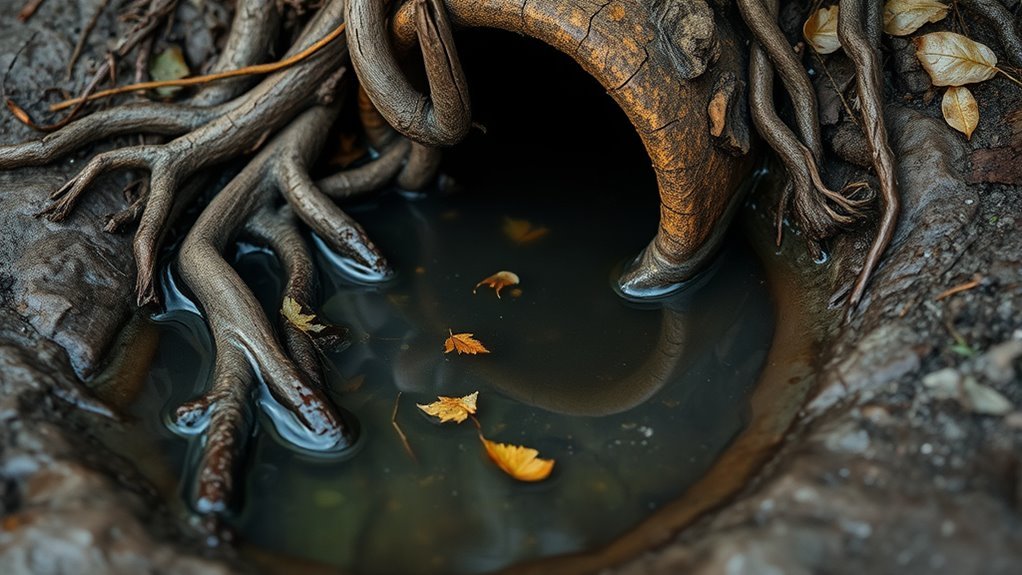
While sewer backups can happen unexpectedly, they usually occur because of common issues you can watch for. One major cause is a clogged sewer line, often resulting from fats, oils, grease, or non-waste items like paper towels. These materials build up and block flow, leading to backups.
Tree roots also pose a frequent threat; they infiltrate pipes through cracks or joints, growing inside and causing damage. This is especially true if mature trees are within 10 to 20 feet of your sewer line.
Additionally, damaged pipes from corrosion, ground movement, or age can create cracks or collapses, making backups more likely. Knowing these causes helps you stay alert and take action before a small problem turns into a messy sewer backup.
Early Warning Signs of a Sewer Backup
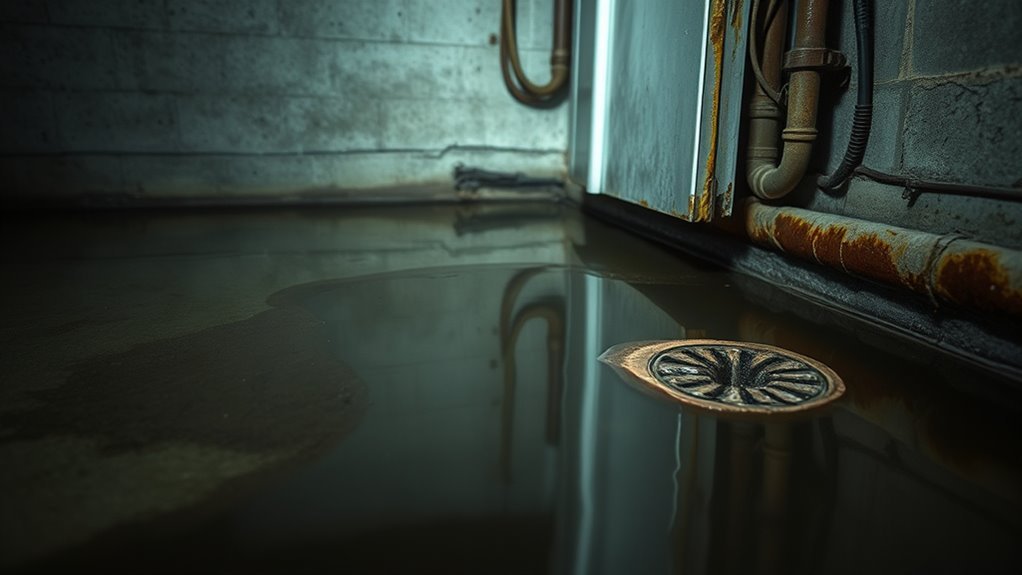
If you notice gurgling sounds from your drains or toilets, it’s a warning that air is trapped by a partial blockage in your sewer line. These unusual drain noises often signal the early stages of a sewer backup.
You might also experience slow drainage in multiple fixtures, which indicates a developing clog that could worsen if ignored. Pay attention to any foul odors coming from sinks, showers, or basement drains, as these smells suggest sewage gases escaping due to a backup.
Catching these signs early helps you act before water begins to back up into tubs or floor drains, which signals a more serious obstruction. Being alert to these symptoms can save you from costly repairs and extensive damage.
How to Identify Floor Drain Backups
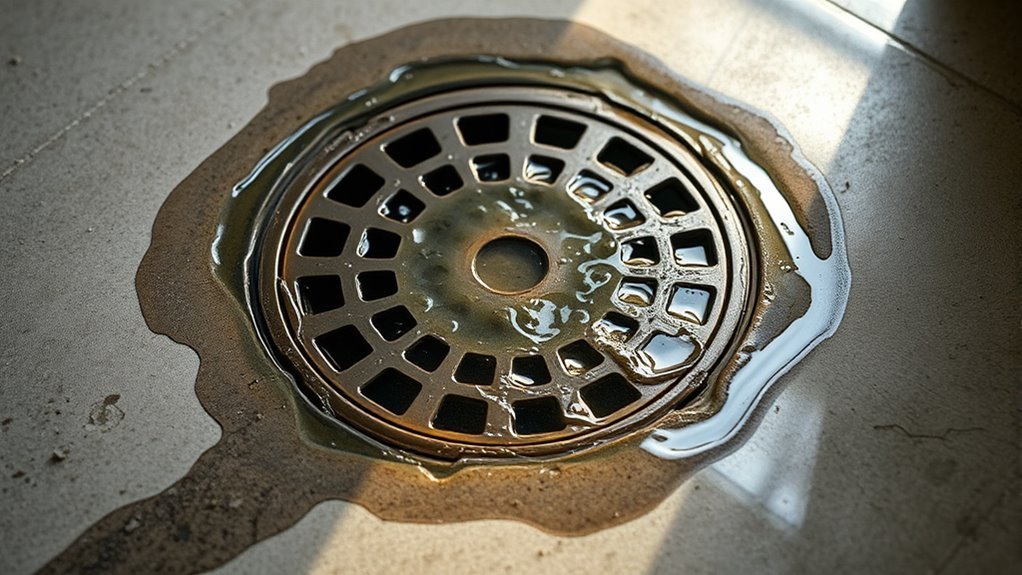
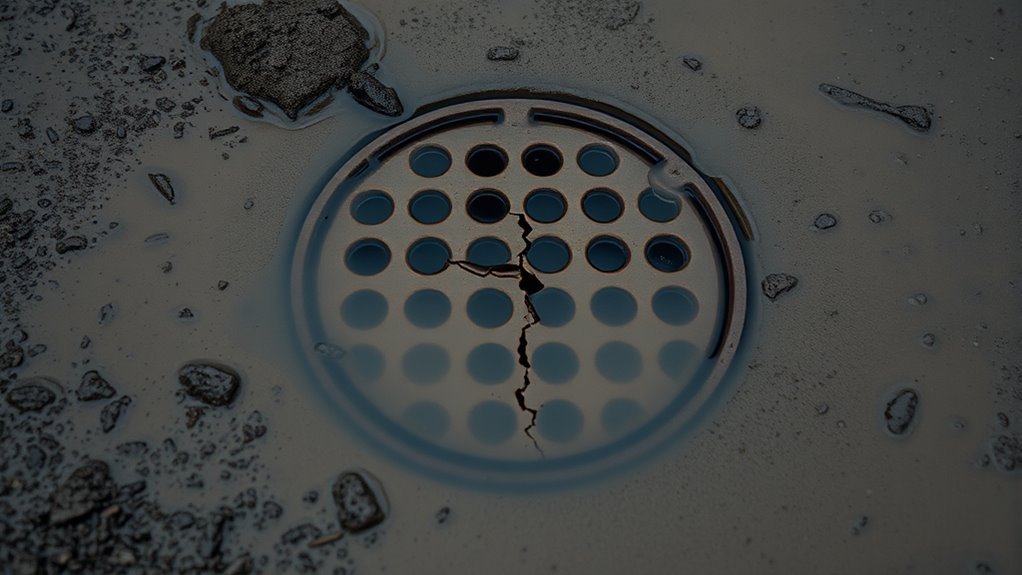
You’ll notice floor drain backups when water pools around the drain or when connected fixtures drain slowly. Gurgling sounds and foul odors are clear signs that something’s wrong.
To diagnose the issue, check the drain trap and other nearby drains. If things still seem off, it’s a good idea to consider a professional inspection.
Signs of Backup
How can you tell if your floor drain is backing up? One common sign is standing water around the drain, indicating slow or blocked drainage.
If you hear drain gurgling noises from the floor drain or nearby fixtures, it’s a warning that a sewer backup may be forming. Foul odors escaping from the drain also signal trapped sewage gases due to a clog or venting problem.
You might even spot visible sewage pooling near the drain, a clear indicator of a serious issue. If backups keep happening despite attempts to clear the drain, it’s likely there’s a bigger problem in your main sewer line.
Paying attention to these signs helps you act quickly before damage worsens. So, don’t ignore them!
Diagnosing Floor Drain
When slow drainage or water pooling occurs in your basement or utility room, it’s a strong indication that your floor drain might be backing up. To diagnose a floor drain backup, listen for gurgling noises from the drain or nearby fixtures—these often signal plumbing issues or a sewer backup.
Pay attention to foul odors escaping from the drain, which suggest sewage gases are leaking due to a blockage or venting problem. During heavy water use, check if sewage or water visibly rises in the floor drain, pointing to a main sewer obstruction.
Effects of Tree Root Intrusion on Sewer Lines
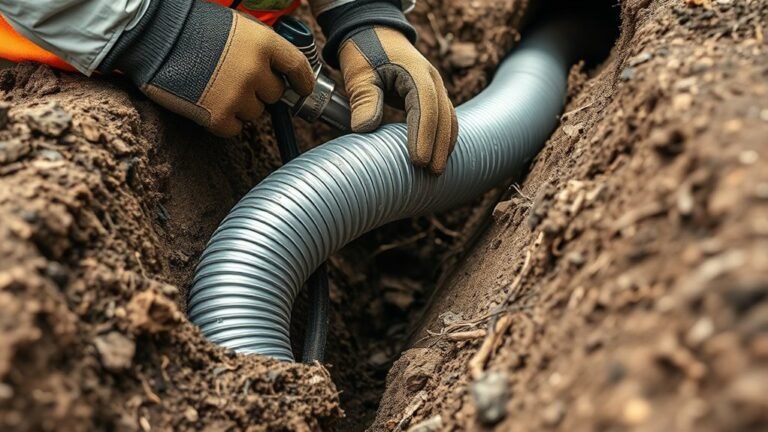
Although tree roots naturally seek moisture and nutrients, they can cause serious damage when they invade sewer lines. Tree roots enter through small cracks, joints, or fittings, aiming to access water inside your pipes.
As these roots grow, they can puncture or crack your sewer lines, leading to leaks and structural issues. Larger roots may wrap around pipes or form blockages, sometimes creating tough “fatbergs” that slow down drainage or cause backups.
Roots typically invade within 10 to 20 feet of mature trees but can extend much farther in search of moisture. To protect your sewer system, regularly inspect your pipes and consider installing root barriers.
This helps prevent costly damage and inconvenient blockages caused by invasive tree roots. It’s definitely worth staying on top of it!
Recognizing Sewer Line Damage
Tree roots aren’t the only threat to your sewer lines—damage can show up in several ways that affect your home’s plumbing and foundation. You might notice multiple slow drains or gurgling sounds from plumbing fixtures—common signs of sewer trouble.
Persistent foul odors coming from drains or your basement often point to a sewer backup caused by leaks or breaks. Don’t ignore cracks in walls, floors, or foundations near plumbing; these can signal underground sewer pipe issues.
Changes in your landscape, like unusually green patches or soil erosion, might also indicate leaking sewer lines below. Finally, pest infestations, especially rodents or insects, can be indirect signs of sewer damage.
Recognizing these signs of sewer problems early helps you prevent costly repairs and protects your home. It’s better to catch these issues sooner rather than later.
Health Risks Associated With Sewage Backups
If sewage backs up in your home, you face serious health risks from exposure to harmful pathogens like Salmonella, E. coli, and hepatitis A. A sewage backup introduces raw sewage containing bacteria, viruses, and parasites that pose significant health hazards.
Contact with this contaminated water can cause skin infections, respiratory issues, and gastrointestinal problems. You might breathe in airborne particles carrying disease-causing microorganisms or come into direct contact with them.
This increases your risk of illnesses such as gastroenteritis, cholera, and leptospirosis. Because of these dangers, it’s vital to treat sewage backups seriously.
Cleanup often requires professional intervention to prevent the spread of infections and to restore safe living conditions. Ignoring a sewage backup can put your health and your family’s well-being at risk.
Preventive Maintenance Tips for Sewer Systems
Preventing sewer backups starts with regular maintenance and smart habits. You can protect your plumbing system by staying proactive and catching problems early.
Consider these key steps:
- Schedule regular inspections using professional camera technology to spot damage or blockages before your sewer backs up.
- Clean and flush your drains periodically with enzyme-based solutions to break down fats, oils, and debris that cause clogs.
- Install and test backwater valves to stop sewage from flowing back into your home during heavy rain or main line issues.
Keeping detailed records of all sewer maintenance helps you track recurring problems and plan timely repairs.
Proper Disposal Practices to Avoid Sewer Clogs
When you dispose of items like paper towels, wet wipes, or fats down your drains, you risk creating blockages that lead to sewer clogs. Avoid flushing non-biodegradable products and never pour fats, oils, or grease down the drain—they solidify and cause major sewer blockages.
Instead, toss these wastes in the trash or compost bin for proper disposal. Also, avoid pouring coffee grounds or food scraps into sinks, as they contribute to buildup.
Chemical drain cleaners might seem helpful but can damage pipes and worsen clogs.
| Item to Dispose | Proper Disposal Method | Reason to Avoid Sewer Disposal |
|---|---|---|
| Paper towels & wet wipes | Trash | Non-biodegradable; cause clogs |
| Fats, oils & grease | Trash | Solidify; block sewer pipes |
| Coffee grounds & scraps | Compost or trash | Accumulate; cause buildup |
| Chemical cleaners | Use sparingly | Damage pipes; worsen backups |
When to Call a Professional Plumber
Proper disposal habits help reduce the risk of sewer clogs, but some problems still require professional attention. If you notice a backup, it’s vital to call plumbing services promptly to prevent damage.
Here are three signs you should contact a professional plumber:
- Multiple drains back up at once — this often means an issue with the main sewer line.
- Persistent slow drainage or foul odors from fixtures — indicating a possible sewer backup.
- Sewage or wastewater pooling in your basement or yard — a serious sign of backup needing immediate help.
Don’t wait if you see these signs. Licensed plumbers have the tools and expertise to diagnose and fix sewer backups safely and efficiently.
Emergency Steps to Take During a Sewer Backup
When a sewer backup happens, the first thing you should do is turn off your main water supply and stop using any plumbing fixtures to prevent more damage. Make sure you wear gloves and masks to protect yourself from harmful sewage.
Keep kids and pets away from the affected areas. Then, call a licensed plumber right away to handle the problem safely and quickly. Don’t try to fix it yourself, as it can be dangerous.
Immediate Safety Precautions
Since sewer backups pose serious health risks, you should immediately turn off your main water supply to stop more sewage from entering your home. When a backup occurs, avoid using any plumbing fixtures to prevent adding pressure to the system.
If you must enter contaminated areas, wear waterproof gloves, masks, and protective clothing to shield yourself from harmful pathogens.
Here are immediate safety precautions to follow:
- Turn off the main water supply to halt sewage flow.
- Evacuate all household members and pets from affected areas.
- Wear protective clothing if you need to access contaminated zones.
Taking these steps quickly helps protect your health and limits damage until professional help arrives. So, don’t wait—act fast to keep everyone safe!
Professional Emergency Contact
How quickly you contact a professional can make all the difference during a sewer backup. Once you’ve taken immediate safety steps, call us without delay.
Licensed plumbers will assess the damage and prevent further issues. To avoid emergencies, schedule regular inspections to keep your pipes clear and functional.
| Action | Why It Matters | When to Do It |
|---|---|---|
| Call us | Immediate expert help | At first sign of backup |
| Schedule inspections | Prevents future blockages | Every 6-12 months |
| Check pipes regularly | Early problem detection | Monthly or after repairs |
Frequently Asked Questions
What Makes Your Sewer Back Up?
Your sewer backs up because debris, grease, tree roots, or pipe damage block flow. Flushing wipes or non-waste items worsens clogs.
You’ll notice slow drains, gurgling sounds, or bad odors signaling trouble. Act fast!
What Are the Symptoms of a Clogged Sewer Line?
You notice slow drains but also foul odors and gurgling sounds. Water might back up in tubs or toilets.
These symptoms together signal a clogged sewer line, so don’t ignore recurring issues. You’ll need a professional inspection.
How to Know if a Septic Tank Is Backed Up?
You’ll know your septic tank is backed up if you notice slow drains or foul odors near the tank.
Soggy soil above the drain field is another sign to watch for.
Sometimes, sewage might even back up into your home’s toilets and drains.
If you see any of these signs, it’s a good idea to get your septic system checked out.
How Long Does It Take to Fix a Backed up Sewer Line?
If your sewer line’s clogged like Jane’s, it might take 1-2 hours for a simple snaking fix.
More extensive repairs, like pipe replacement, can last up to 3 days, depending on damage and repair methods.
It really depends on how bad the clog is and what kind of work needs to be done. Sometimes it’s quick, other times it’s a bit more involved.
Conclusion
Think of your sewer system as the hidden roots of a mighty tree—silent, unseen, yet essential to your home’s health. When those roots get tangled or damaged, the whole tree suffers.
By spotting early signs, practicing proper care, and calling in experts when needed, you’re nurturing that tree’s strength. Don’t wait for a flood to remind you; tending your sewer is like tending life’s roots.
Protect your sewer system from becoming backed up by staying alert to warning signs like slow drains or foul odors. Regular maintenance and timely repairs can save you from costly damage and unpleasant backups. Remember, a healthy sewer line keeps your home safe and comfortable, so act early and keep everything flowing smoothly.